
Streamline Operations with Cloud-Based Tools
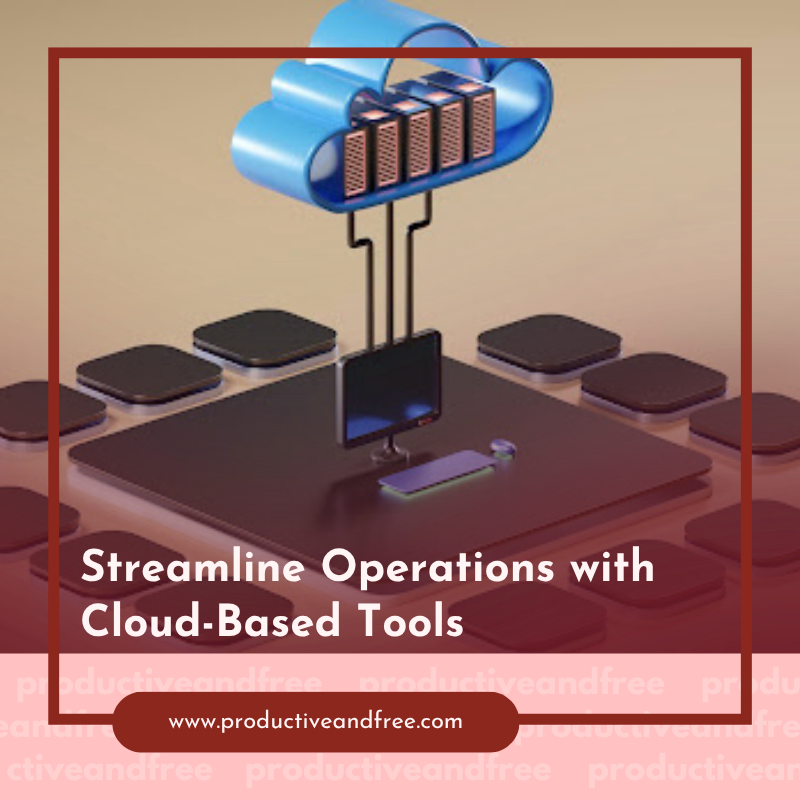
The shift from scattered desktop software to integrated online platforms marks a major step forward for any growing business. If your daily operations feel disconnected, with information stuck on individual computers or in separate, non-communicating apps, you're likely missing out on significant efficiency gains. Embracing cloud-based tools isn't just about storing files online; it's about creating a unified, flexible, and scalable operational backbone that supports your company's growth.
This guide will walk you through how to streamline your operations using the power of the cloud, from choosing the right solutions to ensuring your data remains secure.
Why Cloud is Key for Business Growth
At its core, cloud computing involves accessing services, from software to storage, over the internet instead of from your computer's hard drive. For a business, this model unlocks tremendous potential. It removes the need for expensive on-site servers and the IT staff required to maintain them, lowering capital expenditures. Instead, you pay a predictable subscription fee, which makes budgeting much simpler.
This approach also enables unparalleled flexibility. Team members can access critical files, collaborate on projects, and manage tasks from anywhere with an internet connection. This remote accessibility is no longer a luxury but a fundamental component of modern work. As your business expands, cloud services can scale with you instantly. You can add more users or increase storage capacity with a few clicks, ensuring your infrastructure never holds back your business operations.
Choosing the Right Cloud Solutions
With countless cloud services available, the key is to select tools that solve your specific operational bottlenecks. Start by mapping out your core processes: How do you manage customer relationships? How do teams collaborate on projects? How do you handle accounting and physical security? Identifying these pain points will guide you toward the right solutions.
For example, a business struggling with sales tracking might adopt a cloud-based CRM. A team facing project delays could benefit from a shared task management platform like Asana or Trello. Even physical operations can be brought into a streamlined cloud ecosystem. A solution like CheckVideo Cloud VMS allows you to monitor business locations from anywhere without needing complex on-site hardware, integrating security directly into your cloud-based workflow. The goal is to find tools that not only work well on their own but can also connect with each other to create a seamless flow of information.
Managing Your Cloud Ecosystem
Adopting cloud tools without a plan can lead to "app sprawl," where you have dozens of disconnected subscriptions that create more confusion than clarity. To avoid this, it's crucial to manage your cloud ecosystem strategically. Aim for platforms that offer integrations with other services you use. This allows data to move automatically between your CRM, project management tool, and accounting software, reducing manual data entry and minimizing errors.
Establish clear guidelines for how your team should use these tools. Proper training ensures everyone understands the features and follows consistent workflows. This unified approach is essential for achieving the full benefits of business efficiency and growth that cloud computing promises. Appoint someone to oversee your company's software stack, review usage, and eliminate redundant or underutilized subscriptions to keep costs in check.
Data Security in a Cloud Environment
Handing your data over to a third-party provider can feel daunting, but reputable cloud companies often invest far more in security than a small or medium-sized business could afford. They employ teams of experts, use advanced encryption, and maintain secure data centers with physical protections. However, security is a shared responsibility.
While the provider secures the infrastructure, you are responsible for securing your access to it. You can do this by implementing a few best practices:
Use Multi-Factor Authentication (MFA): This adds a critical layer of security beyond just a password.
Enforce Strong Password Policies: Require complex, unique passwords for all cloud services.
Manage User Permissions: Grant employees access only to the data and tools they need to do their jobs. Regularly review and revoke permissions for former employees.
Educate Your Team: Train your staff to recognize phishing attempts and other common security threats.
Future-Proofing Your Business
Adopting cloud solutions isn't just about solving today's problems; it's about building an agile foundation for the future. The cloud makes it easier to adopt emerging technologies like artificial intelligence and advanced data analytics, as many providers build these capabilities directly into their platforms. This allows you to gain deeper insights from your business data without needing to become a data scientist yourself.
Because cloud services are scalable by nature, your business is never locked into a specific size. Whether you're hiring ten new employees or expanding to a new market, your cloud infrastructure can adapt in minutes, not months. This agility allows you to respond quickly to market changes and seize new opportunities, ensuring your business remains competitive and resilient for years to come.
By strategically moving your core operations to the cloud, you do more than just get organized. You build a flexible, efficient, and forward-looking business ready for whatever comes next.
























Share in the comments below: Questions go here

Discover effective strategies for making informed decisions as your business expands. Learn to navigate growth challenges with confidence and clarity.