
Why Your Business Needs a Strategic Corporate Event Plan
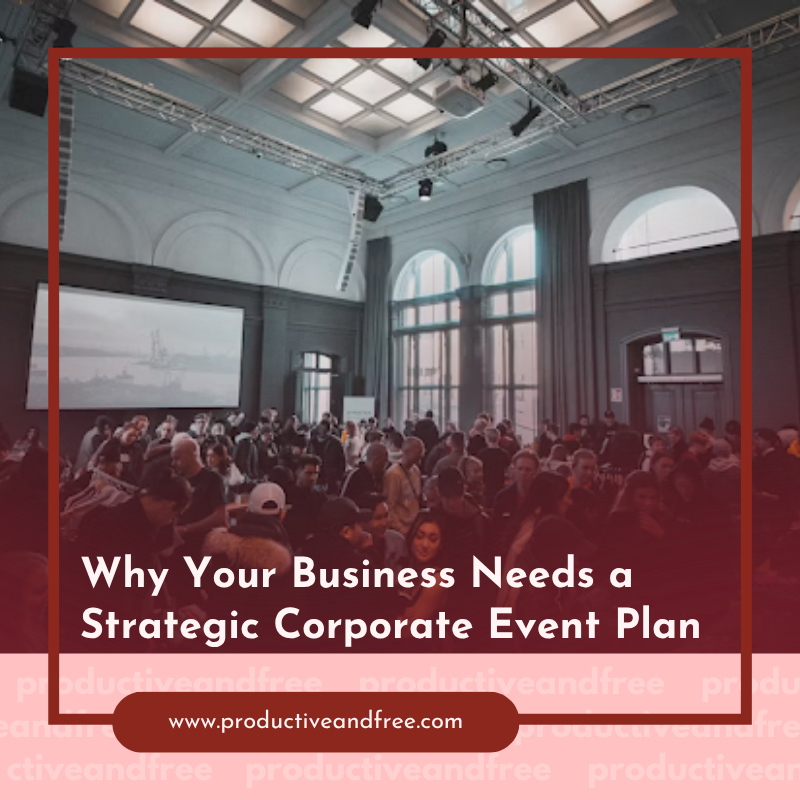
A well-designed business event can support goals that regular meetings and internal messages struggle to achieve. It gives employees time to connect, practice new skills and understand company priorities in a shared setting. Yet the value depends on decisions made long before invitations go out.
A strategic corporate event plan connects the format, activities and budget to a defined business purpose. It also gives organizers a practical framework for evaluating results after the event.
Events as Strategic Investments
Treat an event as an investment by identifying the business result it should support. A leadership retreat might focus on faster decision-making, while a company field day could help employees build relationships across departments. This purpose should guide every expense, from the venue to the schedule.
The employee engagement research published by Gallup links strong engagement with outcomes such as productivity, retention and profitability. An event can contribute to those results when it addresses a real workplace need. Before approving the budget, document the expected outcome and how the event fits into your wider employee engagement strategy.
Defining Event Objectives
Set two or three specific objectives before comparing venues or activities. For example, you might aim for 80 percent employee attendance, stronger communication between sales and operations or a measurable increase in employees who report having useful workplace connections.
The event format should follow those objectives. Interactive corporate events can suit companies that want customizable team-building activities focused on communication, collaboration and employee engagement. A presentation-heavy conference may fit knowledge sharing, while a smaller workshop may better support detailed problem-solving.
Assign an owner to each objective and record the baseline. Without a starting measure, even a successful event can be difficult to evaluate fairly.
Boosting Team Morale
Team morale improves when employees feel included, respected and able to participate comfortably. Design activities that allow different personalities and physical abilities to contribute. Mixing departments into small groups can also encourage conversations that rarely happen during normal work.
Managers should participate as team members instead of observing from the sidelines. That choice can reduce hierarchy for the day and make the experience feel genuine. Give people unstructured time between scheduled activities as well. A 20-minute break may produce valuable connections because employees can continue a discussion or meet someone outside their usual circle.
Clear communication before the event also matters. Tell attendees what to expect, what to bring and how accessibility needs will be handled.
Measuring Event ROI
Event return on investment includes financial results and less tangible outcomes such as stronger relationships or improved confidence. Select measures that match the original objectives, then collect data at several points. Attendance, participation rates, survey responses and follow-up actions can all provide useful evidence.
The Kirkpatrick evaluation model offers a practical structure for reviewing participant reaction, learning, behavior and organizational results. For a team-building event, you might survey employees immediately afterward, then ask managers 30 or 60 days later whether cross-team communication has improved.
Calculate direct costs per attendee, but don’t stop there. Compare the results with staff time, vendor fees and any operational disruption to understand the event’s full value.
Planning for Maximum Impact
Build the plan backward from the desired outcome. Start with objectives and attendee needs, then choose the format, activities and venue. A written timeline should cover budget approval, vendor decisions, invitations, accessibility checks and post-event measurement.
Guest experience also affects participation, so review these event planning tips for a better guest experience while developing the schedule. Simple details such as clear directions, realistic transition times and visible staff contacts can prevent confusion.
Share roles early and prepare backup options for weather, technology or attendance changes. Afterward, hold a short review with organizers. Record what worked, what caused delays and which changes should become standard for the next event.
A strategic event plan becomes especially useful when it remains active after the final activity. Schedule the follow-up survey before event day, set a date for reviewing results and give one person responsibility for reporting the findings. That final step turns a one-time gathering into evidence your company can use when planning its next investment.




Share in the comments below: Questions go here

Elevate your business with a strategic corporate event plan. Explore the benefits of effective planning for brand growth and impactful networking opportunities.