
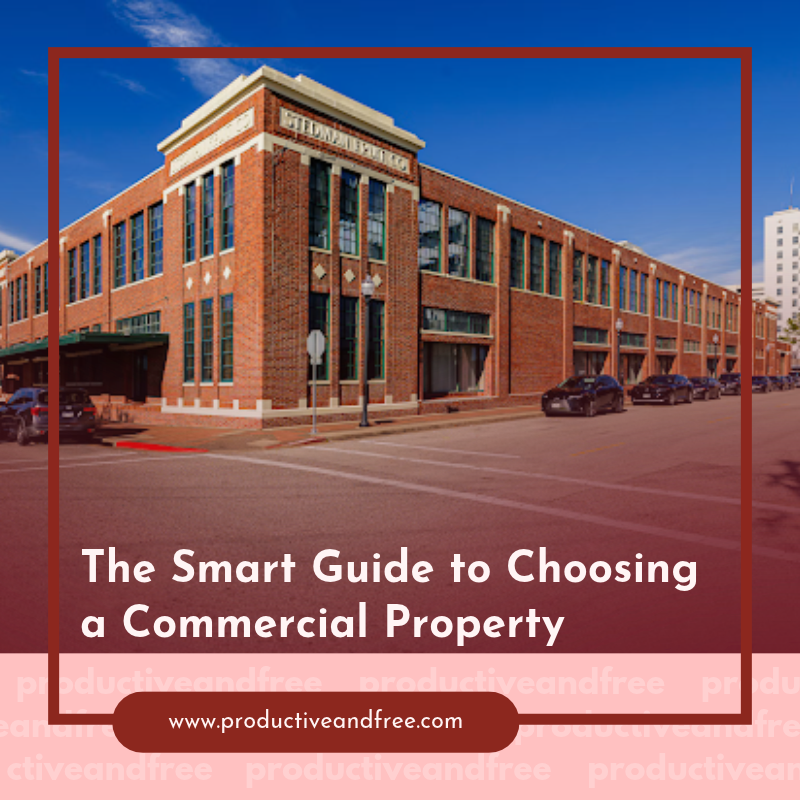
A commercial property can support steady growth or drain cash through repairs, restrictions and operating costs that weren’t obvious during the first tour. The asking price tells only part of the story. Access, drainage, permitted uses and contract terms all affect what the space will cost over time. Before committing, examine the property as both a workplace and a long-term business asset. A disciplined review can uncover expensive limits while there’s still time to negotiate or walk away.
Location Versus Long-Term Viability
Start with the practical needs of your business. Customers may need visibility and convenient parking, while a distributor may value highway access, loading space and reliable delivery routes. Review nearby development plans, traffic patterns and public transportation instead of relying only on current conditions. The surrounding area could change significantly during a five-year lease.
Use a written scorecard to compare properties on occupancy cost, usable square footage, access, utilities and room for expansion. A detailed commercial leasing guide can help you identify criteria that deserve attention before tours begin. Rank each factor according to its effect on revenue and daily operations.
Consider long-term demand as well. Flexible floor plans, multiple entrances and adaptable utility capacity may appeal to future tenants or buyers. These features can protect resale value if your business relocates. This perspective also supports the broader case for why durable assets are a smart long-term business investment, especially when the property can serve more than one type of occupant.
Uncovering Buried Drainage Liabilities
Inspect how water enters, crosses and leaves the site before signing a contract. Standing water, stained exterior walls, eroded soil and patched pavement may point to recurring drainage problems. Visit after heavy rain when possible and ask for records of flooding, drainage repairs and insurance claims.
Poor drainage can damage foundations, interrupt access and increase maintenance costs. A low section of parking lot that floods several times each year may require new inlets, grading work or underground storage. Those repairs can cost far more than routine resurfacing. They may also need engineering plans and local approval.
For properties in flood-prone areas or regions with strict development rules, have a qualified engineer assess existing stormwater management systems and related permit requirements. The review should cover drainage structures, discharge points, detention areas and maintenance obligations. Confirm who must clean inlets, repair pipes and address future compliance issues. If the property shares drainage infrastructure with neighboring parcels, request the recorded maintenance agreement and verify how costs are divided.
Navigating Zoning and Development Codes
Confirm the property’s legal use before spending money on design work or deposits. A building that looks suitable for a bakery, clinic or warehouse may sit in a district where that activity is restricted. Contact the local planning department and request written confirmation of the zoning classification, allowed uses and any conditions tied to the parcel.
Next, compare your plans with rules for parking, signs, operating hours, deliveries and occupancy. A retailer might discover that local standards require more parking spaces than the site provides. A growing company could find that an intended addition conflicts with setbacks or limits on building coverage.
Land buyers need an even broader review. Practical commercial land selection tips emphasize access and development capacity, but buyers should also verify utility availability, easements and environmental constraints. Ask how long approvals usually take and which studies must accompany an application. A project that depends on rezoning or a special permit carries schedule risk. Include enough time in the contract to investigate those issues before your deposit becomes nonrefundable.
Negotiating Lease and Purchase Terms
Translate every property concern into a contract term. For a lease, define responsibility for structural repairs, heating and cooling equipment, drainage systems, utilities and shared-area maintenance. Ask for several years of operating expense records so you can spot irregular charges or sharp increases. If the landlord plans major roof or parking work, establish who will pay before you sign.
Calculate total occupancy cost instead of comparing base rent alone. Include insurance, taxes, maintenance fees, utility upgrades and required renovations. A lower rent can lose its advantage if the space needs extensive electrical work or carries high shared expenses.
Purchase agreements should provide enough time for inspections, title review, financing and land-use research. State which findings allow you to cancel or renegotiate. If an inspection identifies a failing drainage line or damaged roof, possible responses include a price reduction, repair credit or seller-completed work.
Have a commercial real estate attorney review the final documents. Brokers and inspectors supply valuable information, but legal counsel can identify renewal limits, personal guarantees and clauses that shift unexpected costs to you.
The strongest property choice is one whose physical condition, legal status and contract terms match your operating plan. Keep a written record of inspections, agency responses and cost estimates, then use those findings to set firm limits during negotiations. If the numbers only work when every assumption goes perfectly, the property is carrying more risk than its asking price suggests.



















Share in the comments below: Questions go here
Navigate the commercial property market with confidence. Our comprehensive guide offers expert advice on choosing the right space for your business needs.