
Essential Steps for New Entrepreneurs Entering Electronics Manufacturing
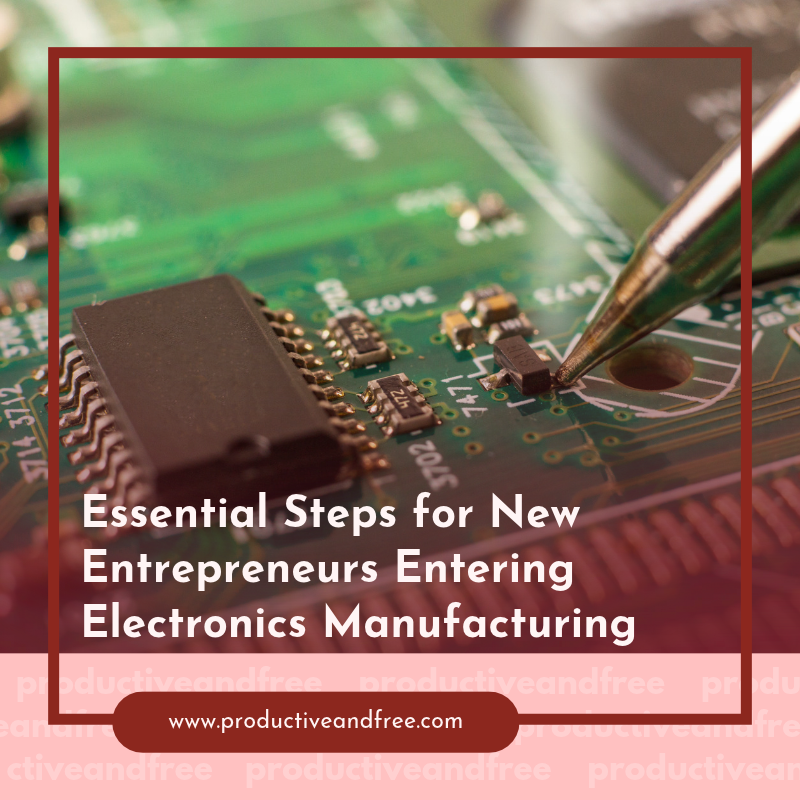
First-time electronics manufacturing entrepreneurs often start with a strong product vision, then hit the hard part: turning it into something a factory can build reliably and profitably. The startup challenges in electronics are real, tight quality expectations, fragile supply chains, and industry entry barriers that can make even simple decisions feel high-stakes. Still, those same constraints create business opportunities in manufacturing for founders who can spot what customers actually need and deliver it consistently. With the right founder motivation, the early uncertainty becomes a filter for better ideas and a plan that can stand up to scrutiny.
Start Strong: 6 Must-Do Basics Before You Build Anything
The fastest way to burn money in electronics manufacturing is to “start building” before you’ve pressure-tested the basics. These six moves help you turn a promising factory idea into a plan that survives real-world parts, people, and regulations.
Define your “must-win” customer problem in one page: Write a simple problem statement, who has it, and what “success” looks like (cost, size, battery life, durability, etc.). Then validate it with 10–15 short interviews and 20+ survey responses using photos or rough sketches, not specs. This market research technique keeps you focused on a real pain point instead of building a feature museum.
Run a quick competitor teardown with pricing math: Pick 3–5 competing products and compare: retail price, key specs, certifications shown on the label, warranty terms, and what reviewers complain about. Back into a target unit economics sheet: estimated BOM range, assembly time, test time, packaging, and returns allowance. When your numbers don’t work on paper, you’ve just saved yourself months of expensive iteration.
Vet suppliers with a scorecard before you request quotes: Supplier evaluation is more than “who’s cheapest.” Ask for: lead times by part, minimum order quantities, country of origin, lifecycle status (active/NRND/EOL), traceability, and what happens when they short-ship. Use a simple 10-point scorecard (quality system, responsiveness, alternates, payment terms, documentation) so you can justify decisions to yourself and any partners.
Design your supply chain for disruption, not perfection: Assume parts will go late, get allocated, or change revision. The reality is that sixty-three percent of electronics companies have experienced supply chain disruptions in the last few years, so build in buffers early: dual-source critical components, approve at least one alternate for every long-lead IC, and keep a small safety stock for items with unpredictable lead times. Even a “tiny” spreadsheet that flags single-source risks is real supply chain management.
Lock in a minimum quality control loop (incoming → in-process → final): Start with three checkpoints: incoming inspection for key parts (visual + basic measurement), an in-process test after the first major assembly step, and a final functional test with pass/fail criteria. Write one page of acceptance criteria and a rework policy so technicians aren’t improvising under pressure. This is how quality control processes stay consistent as your build volumes grow.
Map compliance and product certification before finalizing the design: List where you’ll sell first, then translate that into requirements: safety, EMC, radio, environmental, labeling, and documentation. Build a “compliance folder” from day one: BOM with materials declarations, schematics, PCB stack-up, firmware versions, and test reports, even preliminary ones. Electronics industry compliance goes smoother when your design choices (enclosure, power supply, shielding, antennas) are made with certification in mind.
Reduce Downtime Early With Practical Automation and Control Tech
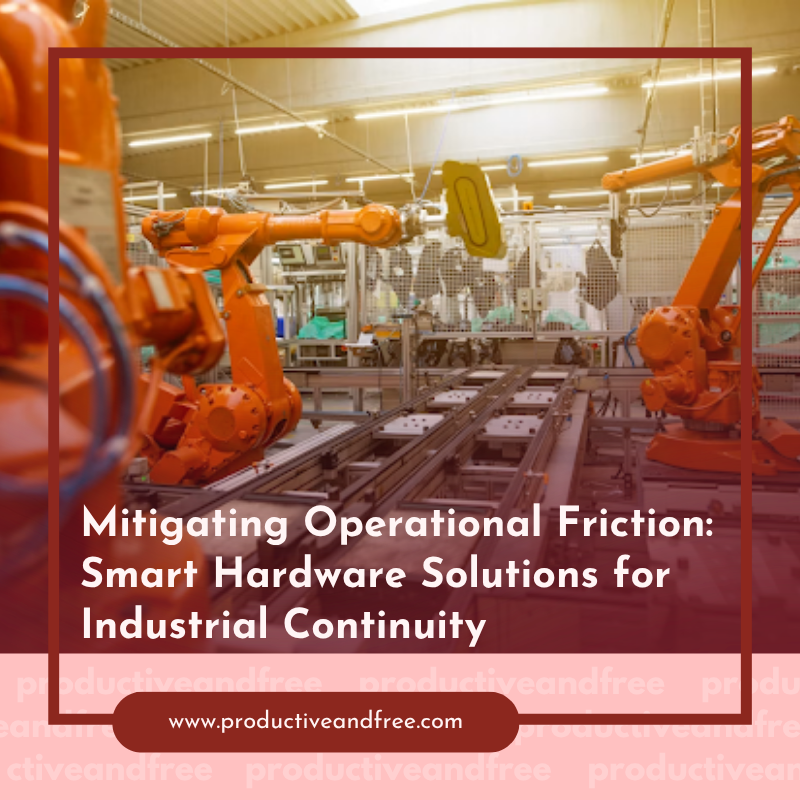
Once you’ve nailed the fundamentals, the fastest way to protect your schedule (and your sanity) is to make your production line less dependent on manual babysitting. In an electronics shop, even simple automation and control solutions can streamline production by keeping steps consistent, reducing avoidable stops, and tightening up the handoffs between machines and people.
When your process runs with reliable feedback and repeatable control, you spend less time chasing mystery slowdowns and more time building throughput and efficiency, the kind that actually shows up in delivery dates and margins. Just as important, automation gives you clearer operational visibility, so you can spot problems early, respond faster, and keep quality from drifting as demand grows.
That edge matters in a market that changes quickly, where the ability to adapt without constant downtime can be the difference between keeping up and falling behind. Investing in a hardware platform built for real-time precision, seamless integration, and global deployment, supported by automation and control computing, can help you optimize processes, improve product quality, and grow efficiently across diverse industries.
Electronics Manufacturing FAQs You’ll Actually Use
Q: What compliance work should I do before shipping my first units?
A: Start by listing where you will sell and how your product is used, then map that to required safety, EMC, and environmental rules. Create a simple compliance folder with your risk assessment, test plan, labeling drafts, and traceability records. If you are unsure, book a short call with a test lab early so surprises do not hit at the end.
Q: How do I choose which industry standards matter without overbuilding?
A: Pick standards based on customer expectations and the real hazards in your design, not what sounds impressive. Ask your top two target buyers what documentation they require, then align your drawings, BOM, and test procedures to match. Build only what you can maintain, because auditors notice drift faster than missing polish.
Q: When should I scale manufacturing operations instead of just hiring more hands?
A: Scale when demand is stable enough to justify fixtures, better test coverage, and supplier agreements, not when you feel busy for one month. Many founders focus on capital efficiency, and the median tech startup expects to burn less than half of 2021 levels, so plan upgrades that pay back quickly.
Q: What process optimization method works for beginners in electronics?
A: Use a tight loop: measure one constraint, change one variable, then measure again. Even the basic idea of methodology as the study of research methods helps you stay disciplined instead of chasing every opinion on the floor. Track first pass yield, top defect types, and rework minutes per unit.
Q: Can I outsource assembly and still stay compliant and in control?
A: Yes, if you keep ownership of specifications, test requirements, and change control. Send a clear quality plan, require lot traceability, and schedule regular audits of incoming materials and finished goods. Treat your manufacturer like an extension of your team, with the same data expectations.
Plan → Build → Verify → Learn
This workflow turns manufacturing workflow design into a calm loop you can run every build, even when demand spikes. It links inventory management systems and quality assurance workflows so you always know what you have, what you built, and what changed. Over time, the loop becomes your process evaluation cycle, which is the practical heart of continuous improvement in manufacturing.
| STAGE | ACTION | GOAL |
|---|---|---|
| Plan the build | Freeze scope, quantities, and acceptance tests | Clear target with minimal last-minute changes |
| Align inventory | Reconcile stock, alternates, and lead times | No surprises, shortages, or unapproved substitutions |
| Run the line | Build to travelers, record deviations | Repeatable execution and clean traceability |
| Verify quality | Test, log failures, analyze top defects | Stable yield and faster root-cause isolation |
| Review and adjust | Hold short retro, update docs and settings | Fewer repeats, tighter control next cycle |
The power is in the handoffs: planning sets the rules, inventory makes them feasible, and verification tells you the truth. The review then feeds back into the next plan, so every small fix compounds, similar to how quality management tools can support better business outcomes.
Turn Manufacturing Discipline Into Confident Startup Momentum
In electronics manufacturing, the real tension is simple: move fast enough to survive, but controlled enough to avoid expensive mistakes. The entrepreneurial mindset that wins here is a steady Plan → Build → Verify → Learn loop, paired with honest business reflection techniques that keep emotions from driving decisions. When applying manufacturing insights this way, quality and inventory stop feeling like chaos and start becoming signals that guide the next iteration. Run the cycle, learn the truth, and let the data earn your confidence.



























Share in the comments below: Questions go here

Start your journey in electronics manufacturing with our essential guide for new entrepreneurs. Gain insights to launch and grow your business effectively.