
Unlocking Your Property's Potential for Passive Income
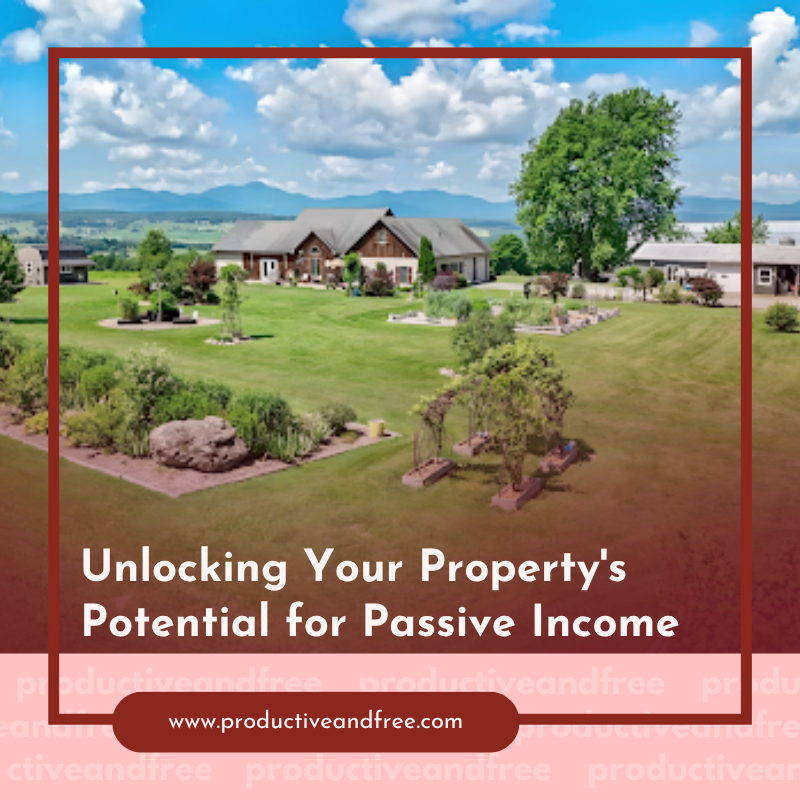
A property can produce income in more ways than collecting monthly rent from a traditional tenant. An unused field, a detached structure, or even a wide driveway may support a small revenue stream when it has a clear purpose and responsible management. The key is to assess what you own, understand local demand, and choose an idea that fits the time and money you can commit. Passive income still requires preparation, but a well-designed system can keep the ongoing workload manageable.
The Passive Income Mindset
Passive property income works best when you treat the property as a small business asset. Start by setting a realistic income target, then estimate setup costs, monthly expenses, and the hours required for upkeep. A use that generates $500 per month but demands weekly repairs may be less attractive than one earning $350 with minimal oversight.
Your own plan should include an emergency fund for repairs, a schedule for routine inspections, and clear records of every payment. Automation can help with booking, invoicing, and reminders, but you’ll still need to monitor results and respond when conditions change.
Property as a Revenue Stream
Look at your entire property instead of focusing only on its primary building. A detached garage could become long-term storage, a spare parking area might serve nearby residents, and an accessory dwelling may offer rental potential where local rules permit it. The best option solves a clear problem for people in your area.
Before spending money, verify zoning rules, insurance requirements, and access needs. Then compare expected revenue with utilities, maintenance, taxes, and platform fees. If tenants are involved, these property management practices can also help protect income through better screening, maintenance and communication.
Preparing Land for Opportunity
Raw or overgrown land may need practical work before it can support parking, storage, agriculture, or recreational access. Begin with a site assessment that identifies boundaries, drainage patterns, utility lines and areas prone to erosion. Walk the property after heavy rain because standing water often reveals problems that aren’t visible during dry weather.
For landowners, farmers, ranchers, and property developers, professional land clearing may be a useful first step when dense vegetation prevents safe access or future improvements. Plan only the work your proposed use requires. Clearing too much can increase erosion and remove natural screening, while selective preparation may preserve shade and reduce future maintenance.
Creative Uses for Your Space
A profitable use doesn’t always require a major building project. A level section of land could support garden plots rented by the season. Secure space near an accessible road may work for vehicle or equipment storage, subject to local rules. A scenic area might host photography sessions, workshops, or small daytime gatherings if parking, sanitation, and insurance are addressed.
Test demand before committing to permanent improvements. You could advertise a limited number of spaces, collect inquiries for 30 days, or speak with nearby businesses about unmet storage and parking needs. A simple trial gives you evidence about pricing and interest. It also exposes practical concerns, such as muddy access, poor lighting, or inconvenient entry hours, before those issues become expensive.
Scaling Your Property Ventures
Scale only after one revenue stream produces steady results for several months. Track occupancy, average monthly income, maintenance hours, and customer acquisition costs. These figures show which improvements could raise returns. For example, adding secure access may justify higher storage rates, while improved drainage could reduce cancellations and repair costs during wet weather.
Growth may involve increasing capacity, adding a related service, or purchasing another property with similar characteristics. Keep each expansion financially separate so you can see what performs well. Written procedures also make growth easier. Document how you handle bookings, inspections, payments, and complaints, then use the same process as activity increases.
A useful property plan starts with one defined area and one verified customer need. Measure that space, price the necessary preparation, and confirm that the proposed use meets local rules before accepting a booking or beginning construction. Those details turn overlooked square footage into an asset that can produce dependable income without creating an unmanageable second job.



























Share in the comments below: Questions go here

Elevate your business with a strategic corporate event plan. Explore the benefits of effective planning for brand growth and impactful networking opportunities.