
Why Operational Checklists Save Service Businesses
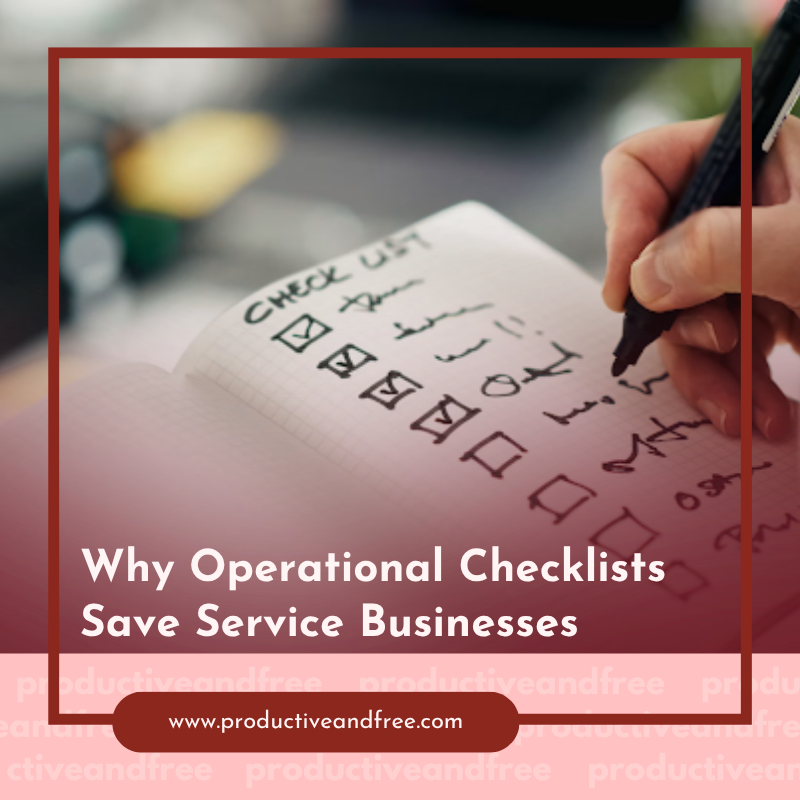
Small service failures often begin with a missed task that seemed too minor to document. A team member skips a reading, signs off a room without checking it or assumes someone else ordered supplies. The immediate effect may be small, but repeated inconsistencies lead to complaints, extra labor and avoidable downtime. Operational checklists give teams a shared process they can follow during busy shifts, staff changes and unexpected disruptions.
The True Cost of Inconsistent Care
Inconsistent service creates costs that rarely appear under one clear line in the budget. A missed cleaning step may require a second visit, while an incomplete inspection can result in equipment downtime and refunds. Managers then spend hours investigating events that should have been prevented.
Standardization limits that variation. Guidance on standardizing cleaning practices shows why repeatable procedures matter in settings where safety depends on consistent work. The same principle applies across gyms, wellness centers and hospitality businesses.
Track repeat visits, complaints and emergency purchases for one month. These figures can reveal where unclear responsibilities are creating waste. This guide to costly operational problems offers more examples of small process gaps that can reduce margins.
Protocols for Shared Wet Leisure Areas
Pools and spas require tightly controlled routines because water conditions can change throughout the day. A useful protocol states who takes readings, when they take them and what happens if a result falls outside the facility’s approved range. It should also cover cleaning, storage and incident reporting.
Keep approved products in labeled storage areas and record when staff open or replace each container. Facilities sourcing commercial spa chemicals should connect ordering procedures to their stock checklist so essential treatments don’t run out before a busy weekend.
Staff must follow product instructions and the facility’s technical requirements. The CDC’s environmental cleaning procedures also demonstrate how defined frequencies, responsibilities and methods make routine cleaning easier to verify. Managers can adapt that structured thinking to changing rooms, showers and shared surfaces.
Turn Complex Tasks Into Clear Checklists
Start each checklist with a specific trigger, such as opening the facility, closing a treatment room or responding to an unusual reading. Next, arrange tasks in the order employees perform them. “Inspect the area, record the result and report exceptions” gives staff a clearer sequence than a vague instruction to complete general checks.
Keep each line focused on one observable action. Include a field for the time, initials and result when a record may be needed later. For example, an opening checklist might ask an employee to inspect access points at 7:00 a.m., record two required readings and confirm that cleaning supplies are available.
Test the draft during a real shift. If experienced staff interpret an item differently, rewrite it until the expected action and acceptable result are clear.
Train Onsite Teams With Visual Guides
A checklist works only when employees understand what each step looks like in practice. Place visual guides close to the task, using labeled photographs, simple diagrams or screenshots from the reporting system. A picture showing the correct position of a marker or the proper amount in a test sample can prevent repeated errors.
During training, ask the employee to complete the process while a supervisor observes. The supervisor should correct unclear steps, then have the employee repeat the task without prompts. Schedule a brief follow-up after one week to catch shortcuts that may have developed.
Review visual materials whenever products, equipment or procedures change. Add a revision date to every guide so staff can quickly confirm they’re using the current version.
Good checklists leave a visible trail of completed work and exceptions that need attention. When a manager can review one shift’s records in minutes, small issues are easier to correct before they affect customers, schedules or operating costs.























Share in the comments below: Questions go here
Discover how traveling can enhance your understanding of customer needs and preferences. Learn valuable insights to boost your entrepreneurial success.