
What Traveling Can Teach Entrepreneurs About Their Customers
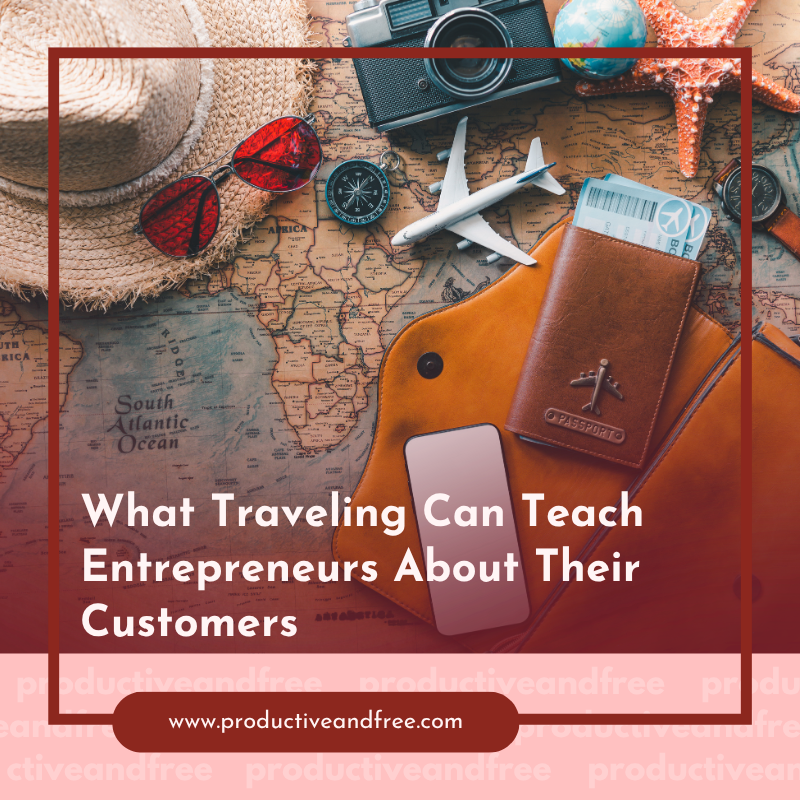
You can learn a surprising amount about your customers by dedicating some attention to them. You can also learn about them indirectly, like when you’re going somewhere you don't know very well. Travel removes your usual shortcuts, and all of a sudden, you're the person who needs instructions, reassurance and a reason to choose one option over another.
You start noticing the small things that either make you feel capable or make you stand outside a shop staring at a sign. Your customers probably have moments like that too. They just happen on your website, in your shop or while they're trying to decide whether to buy from you.
A Strange Menu Shows You How Much People Guess
Have you ever tried to order food in a place where you don't speak the language? If not, you'll quickly discover how much information menus leave unsaid. A photograph might help you decide what to get. At the same time, sometimes it shows a small portion of something covered in sauce, and you're still taking your chances. You may choose the safest-looking dish, but you could have had something extraordinary.
Your customer can feel exactly the same way when they're looking at your product page. They might not understand an industry term that seems obvious to you. They may also wonder how big something is or what happens after they order. They, too, wonder whether they'll regret choosing the wrong option. In that way, traveling can make you finally see the importance of giving them the useful details plainly, especially the ones you think are too obvious to mention.
The Wrong Train Teaches You Where Instructions Fail
Getting onto the wrong train is a very efficient way to discover how poorly designed information can be. You can stare at a station board for ages and still have no idea where to go or who to get there. When you're unfamiliar with the system, even if it’s written in a familiar language, any kind of gaps become obstacles.
A customer shouldn't have to know your internal process to complete a simple task. For example, if there are several booking steps, you should explain what each one means. If delivery times change by location, you need to say those things before checkout. You can assume that everyone knows these things, when the only reason you know them is that you’re running that business in the first place.
Holiday Accommodation Reveals What People Notice
When you stay somewhere unfamiliar, you become unusually aware of practical details. For example, you likely notice whether there are enough power points beside the bed. You become frustrated if the shower takes five minutes to become warm or if the bin is hidden in a weird and unexpected place. When you book something, you don’t check these things, but they do affect your stay drastically.
The same principle applies to what you sell. If you're selling property, for example, a traveller comparing places might pay attention to how convenient the property is. Someone searching for a house for sale in Basin View may care just as much about those practical surroundings as the number of bedrooms. Pay attention to the boring questions because they usually aren't boring to the person spending money.
A Local Shop Can Beat a Perfectly Designed Chain
Travelling also makes you notice businesses that aren't trying hard to impress you. You might walk past a trending cafe with perfect furniture. You will notice a lot of people sitting there, eating pastries and drinking coffee. And still, you may end up buying something from a bakery because their food just seems more homey. That's a useful lesson. Customers don't always reward the business that looks the most impressive.
So, remember useful preferences where appropriate. The easiest way to implement that is to make repeat purchases easier. Another option is to keep popular information easy to find. If someone has already explained what they need, don't make them explain it three more times to different people. The more convenient you are, the more appealing your business will be.
Being a Foreigner Makes You Question Your Own Assumptions
Travel puts you in situations where everyone else seems to know a rule that you somehow missed. It’s really humbling in that regard. You notice these things a little too late, so you might feel slightly foolish, even though nobody actually told you the rule.
Your customers can have that same experience with your business. This is why you should stop occasionally and ask yourself what a completely new customer would misunderstand. Start with the person who has never bought from you before. Better yet, find that person and talk to them. Talk about your terminology, process, and unwritten rules. That person's confusion is valuable information.Conclusion
The best customer research can start with you being lost. In that case, you are starting from scratch, willing to meet your customers in a way you’ve never seen them before. Once you embrace that humble approach, new insights will pop up almost instantly.


























Share in the comments below: Questions go here

Discover how traveling can enhance your understanding of customer needs and preferences. Learn valuable insights to boost your entrepreneurial success.