

Content can quietly consume a solopreneur’s entire workweek. A quick post turns into an hour of drafting, design, and revisions, followed by another round of checking comments and performance data. That time often comes from client work, product development, or rest. However, if you're struggling to find dedicated time for your content, it's possible to build a writing routine even with a packed business schedule.
A simpler content system gives each task a clear place on your calendar. Once you know what you’re producing, when you’ll create it, and which parts someone else can handle, consistent posting becomes far more manageable.
Calculate Your Real Time Spent Posting
Track every content-related task for two weeks. Include idea generation, writing, editing, graphic design, scheduling, community replies, and analytics. A post that takes 20 minutes to write may require another 40 minutes to format and publish, so record the entire process.
Next, multiply your weekly hours by the value of your working time. If content takes six hours and your target rate is $75 per hour, you’re investing $450 each week. This figure helps you compare content creation with billable work or outside support.
Your log will also expose slow points. Repeatedly spending 30 minutes searching for images signals a need for templates or a prepared image library.
Build a Sustainable Production Calendar
Choose a posting pace you can maintain during a busy month. Three useful posts each week will usually serve your audience better than daily updates followed by a long disappearance. These content consistency tactics offer practical ways to keep that rhythm steady.
Give each day a clear purpose. You might publish an educational tip on Tuesday, a client result on Thursday, and a personal business insight on Saturday. Then plan topics four weeks ahead while leaving room for timely ideas.
Your calendar should also show who owns each task. If planning, publishing, and reporting keep slipping, professional social media management can cover those recurring responsibilities while you supply the expertise and brand perspective.

When Delegating Social Execution Makes Sense
Delegation becomes practical when the execution work has clear steps but still pulls you away from higher-value responsibilities. Scheduling approved posts, adapting copy for different platforms, preparing monthly reports, and monitoring routine comments are all repeatable tasks.
Start by documenting your brand voice, visual standards, approval process, and response boundaries. Share examples of posts that sound like you, along with examples that don’t. A two-week trial can reveal whether the workflow saves meaningful time without weakening quality.
Keep strategy and subject expertise close at first. You can provide a short voice note with the main idea while a contractor or agency turns it into finished content. Review results at set intervals instead of supervising every small action.
Batch Creative Tasks in Half-Day Sprints
Set aside one three- or four-hour block for a single type of creative work. Switching between writing, designing, and responding creates friction, while batching lets you stay in one mode long enough to build momentum.
Begin with six to eight approved topics. Draft all captions first, then create the visuals and finish with scheduling. If design slows you down, the advice on consistent posts without a designer can help simplify production.
Protect the sprint like a client appointment. Silence notifications, close your inbox, and use a timer for focused 50-minute sessions. End by recording unfinished ideas and the first task for your next batch, which makes restarting easier.
A workable content system should leave you with more energy for the business itself. Put your next production sprint on the calendar with a defined output, such as nine captions and three reusable graphics. When the session ends, stop creating and let the schedule do its job

Explore strategies to help solopreneurs break free from constant content creation, streamline their process, and publish consistently with less effort.

Struggling with hurtful feedback affecting your sales? Explore practical tips to handle criticism and improve your business performance today.

Discover how scaling teams manage tech upkeep efficiently, saving time and boosting productivity. Learn strategies to streamline your processes today!

Discover how a backyard office can enhance your focus and productivity. Explore design tips and benefits for creating your ideal workspace at home.

Discover why proactive data strategies outperform reactive problem-solving. Learn how to anticipate challenges and drive success in your organization.
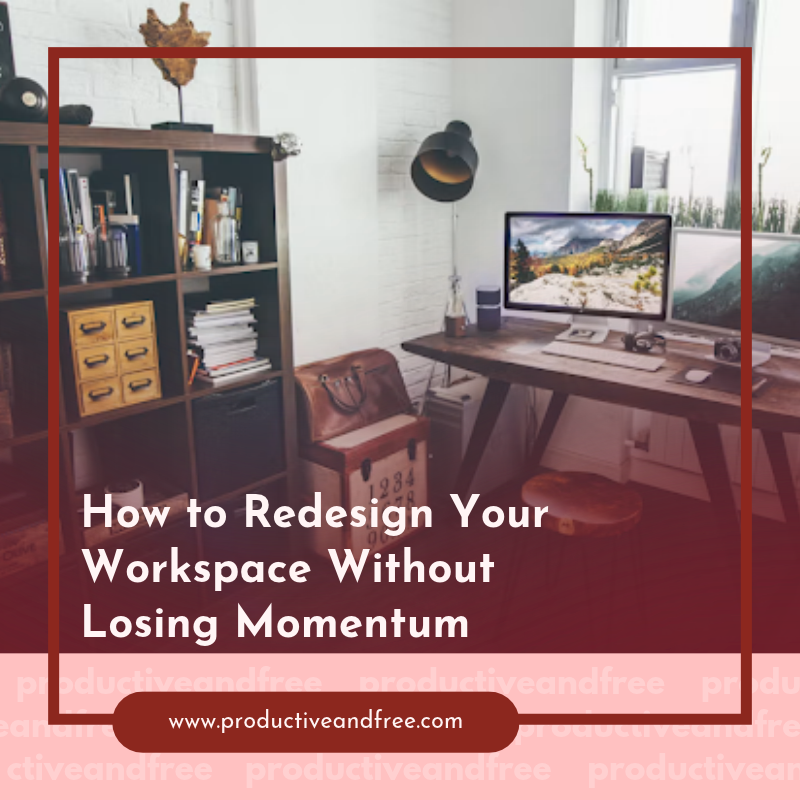
Redesign your workspace effortlessly! Explore practical tips to enhance your environment while keeping your productivity levels high and your focus sharp.

Explore the evolution of digital automation as it ventures outdoors. Find out how it's revolutionizing sectors like farming, construction, and transportation.

Navigate the commercial property market with confidence. Our comprehensive guide offers expert advice on choosing the right space for your business needs.

Transform your raw acreage into a profitable retreat space with our comprehensive guide. Find out how to attract visitors and boost your revenue effectively.
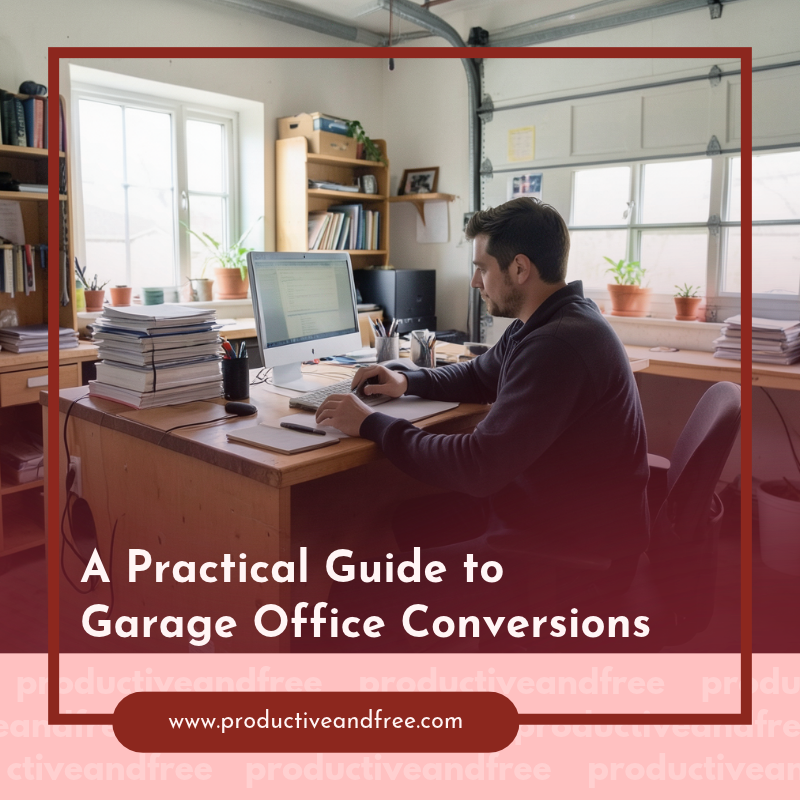
Transform your garage into a functional office space with our practical guide. Discover tips, design ideas, and essential steps for a successful conversion.

Discover how to transform vacant land into a lucrative passive income stream with our expert tips and strategies. Start earning today!
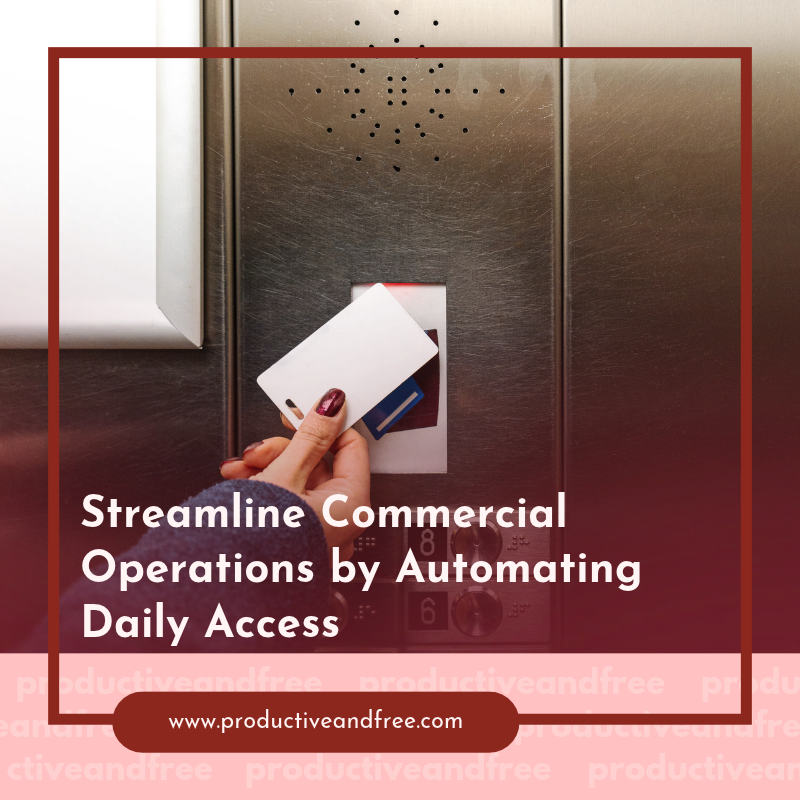
Boost your commercial operations by automating daily access. Explore effective strategies to streamline processes and enhance your business performance!

Discover how corporate boat hire can elevate your enterprise hospitality experience. Explore the benefits and make your next event unforgettable!

Transform your marketing strategy with our expert blueprint! Learn how to maximize ROI and create successful paid campaigns that engage and convert.

Unlock the secrets to transforming in-person interactions into email leads. Learn proven techniques to enhance your lead generation strategy!

Explore the transformative benefits of BJJ for women and children. Learn how this martial art fosters confidence, discipline, and valuable life skills!

Unlock the secrets to international growth with our Operations Playbook, designed to guide your business expansion beyond domestic borders effectively.
Ready for lasting change? Learn how to build better habits with our proven techniques and tips. Start your journey to a better you today!

Elevate your online presence with our modern playbook for sustainable organic traffic. Learn effective techniques to attract and retain visitors ethically!
Learn the essential steps to create and scale your online course business. Our complete guide offers tips for success and maximizing your reach!

Discover how traveling can enhance your understanding of customer needs and preferences. Learn valuable insights to boost your entrepreneurial success.
Explore the benefits of operational checklists for service businesses. Increase productivity, reduce errors, and ensure top-notch service delivery with ease!

Maximize your Canva lead magnets to generate daily traffic. Explore effective techniques to attract more visitors and enhance your online presence!

Start your journey in electronics manufacturing with our essential guide for new entrepreneurs. Gain insights to launch and grow your business effectively.

Unlock the potential of local news for your business growth. Explore effective ways to engage with your community and boost your brand's presence!

Ready to launch your dream business? Explore essential tips for finding the perfect opportunity that fuels your entrepreneurial ambitions.

Elevate your business with a strategic corporate event plan. Explore the benefits of effective planning for brand growth and impactful networking opportunities.

Turn your property into a powerful income-generating asset. Explore strategies to unlock its potential for passive income and secure your financial future!

Maximize productivity by streamlining your field operations. Explore effective solutions that drive efficiency and elevate your team's performance!
Share in the comments below: Questions go here

Ready to stop hustling and start leading? Explore how solopreneurs can adopt CEO thinking, reclaim their time, and grow with purpose.