
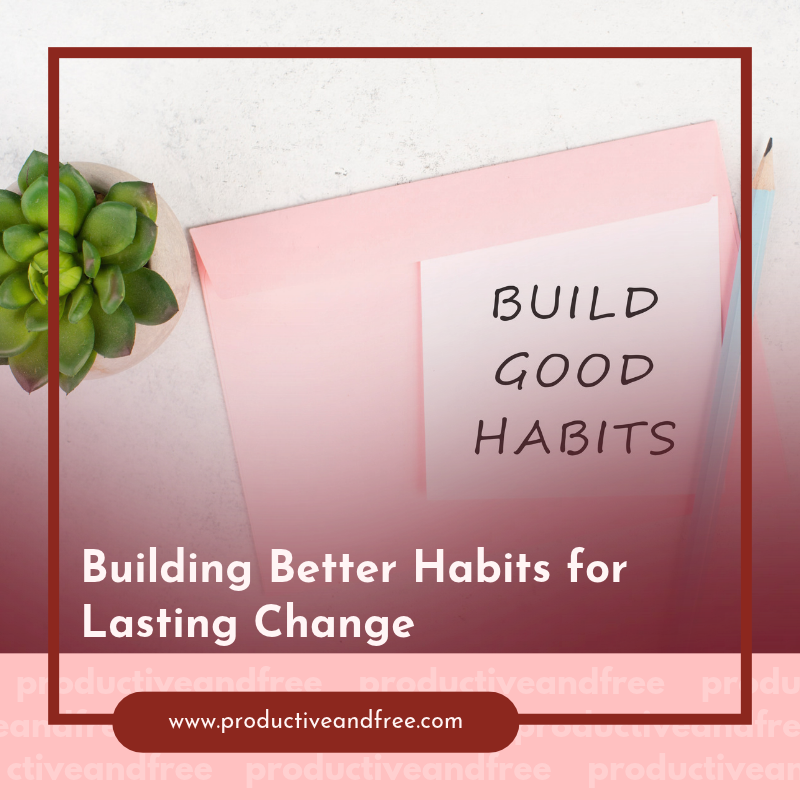
Lasting change usually begins with a small action that fits comfortably into daily life. Ambitious goals can provide direction, but repeated behaviour is what turns intention into progress. If you want to exercise regularly, read more or work with greater focus, the way you design the habit matters as much as your motivation.
A useful habit should be clear, manageable and easy to repeat. It also needs enough flexibility to survive busy days, low energy and the occasional setback.
The Science of Habit Formation
Habits develop when your brain links a cue with a behaviour and a result. You might see your walking shoes by the door, take a ten-minute walk and return feeling refreshed. Repeating that sequence helps the action become more automatic, so it requires less conscious effort over time.
The neuroscience of habit change helps explain why familiar routines can feel easier than new ones. The brain becomes efficient at following patterns it has rehearsed. To establish a different pattern, use an existing part of your day as a reliable cue. After making your morning tea, for example, you could write your priorities for five minutes.
Keep the first version of a habit deliberately simple. Ten minutes of language practice completed most days will usually build more momentum than an hour-long session attempted once. Immediate rewards also help. Tick a calendar, enjoy a favourite podcast during a walk or take a moment to recognise that you kept your commitment.
Overcoming Resistance to Change
Resistance often appears when a task feels too large, vague or inconvenient. Reduce that friction before relying on self-discipline. Lay out your exercise clothes the night before, remove distracting apps from your home screen or leave a book beside the chair where you relax.
It also helps to create a minimum version of the habit. On a difficult day, your 30-minute workout might become five minutes of stretching. A target of writing 500 words might shrink to opening the document and drafting one paragraph. This keeps the routine alive without expecting identical performance every day.
Some people find that private intentions are easy to postpone. Group accountability can add structure through shared goals, progress monitoring and regular peer contact, particularly for entrepreneurs, students and people working on health or personal development goals.
When resistance persists, check the goal itself. A habit based mainly on outside pressure rarely feels meaningful. Connect the behaviour to a result you genuinely value, such as having more energy in the afternoon or feeling prepared for an important project.

Why Peer Support Accelerates Progress
Supportive peers can make progress more visible and setbacks less isolating. A weekly check-in creates a clear moment to report what happened, identify an obstacle and decide what to try next. Knowing that someone will ask about your plan can also bring a distant goal into your immediate attention.
Good peer support remains practical and non-judgemental. Instead of saying, “Try harder next week”, a useful partner might ask what made the habit difficult or how the environment could be changed. If evening study sessions keep failing because you’re tired, the answer may be a shorter morning session.
Shared momentum matters too. Seeing someone else complete a modest action can make consistency feel achievable. Each person can pursue a different goal while following the same check-in format:
What did I plan to do?
What did I complete?
What got in the way?
What specific action comes next?
Choose people who value honest updates over impressive claims. Reliable encouragement supports change far better than comparison, pressure or criticism.
Tracking Your Way to Success
Track the behaviour you can control, not only the final outcome. If your goal is to improve fitness, record the walks or exercise sessions you complete. If you want to build a business, track focused work blocks, customer conversations or proposals sent. These measures show whether your routine is happening before larger results appear.
A paper calendar, notebook or basic spreadsheet is often enough. Record the date, the action and one short note about what helped or hindered you. After two or three weeks, patterns may emerge. You might notice that your habit succeeds before lunch but regularly disappears in the evening.
Keep tracking light enough that it doesn’t become another demanding task. A tick, number or brief sentence should provide the information you need. Review your record once a week and adjust one part of the routine at a time.
Tracking can also strengthen patience. The science behind delayed gratification and self-control shows why small choices matter even when their benefits take time to appear.
Making New Habits Stick
Build consistency by giving each habit a specific time and place. “I’ll read more” leaves room for delay, while “I’ll read for ten minutes on the sofa after dinner” gives your brain a clear prompt. Prepare the setting in advance so the desired action is the easiest available option.
The Stanford discussion of lasting behaviour change highlights the value of forming supportive habits instead of depending on willpower alone. Repetition matters, but rigid perfection can undermine it. Missing one day is a normal interruption. Missing several days may signal that the habit needs to be smaller, better timed or more closely tied to an existing routine.
As the behaviour becomes steady, increase it gradually. A ten-minute walk can become 15 minutes, while one focused work block can become two. Wait until the current version feels familiar before adding difficulty.
Choose a cue you encounter every day and attach one small action to it. When that action still feels manageable during an ordinary, slightly messy week, you’ve created a habit with a real chance of lasting.




























Share in the comments below: Questions go here

Unlock the secrets to international growth with our Operations Playbook, designed to guide your business expansion beyond domestic borders effectively.