
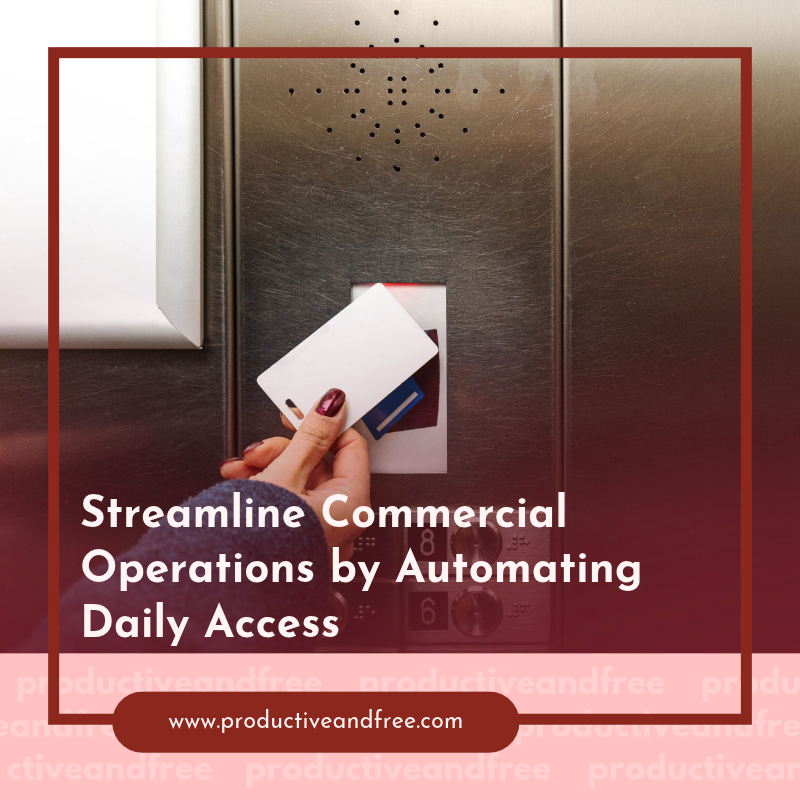
Daily access routines can consume staff time, delay deliveries, and create avoidable confusion at commercial properties. Small interruptions add up when an employee must leave a desk, confirm a visitor’s identity, and open an entrance several times per hour. A more structured process reduces these interruptions while keeping access decisions consistent. The following steps will help you identify recurring delays, select suitable automation, and create a dependable entry process for employees, vendors, and scheduled guests.
Tackle Hidden Operational Friction
Start by documenting how people and vehicles enter the property during a normal week. Record who requests entry, how long approval takes, and which employee responds. Include early deliveries, maintenance visits, and after-hours access because these events often reveal gaps that daytime observations miss.
Calculate the labor involved as well. Ten interruptions per day at six minutes each equal five staff hours per week. That figure excludes the time employees need to refocus afterward. These delays are among the hidden costs of disorganized business operations, especially when no one clearly owns the access process.
Review your physical access control procedures during the same audit. Look for shared credentials, incomplete visitor records, and approval steps that depend on a single employee being available.
Deploy an Automatic Gate System
Define your operational requirements before requesting proposals. List expected traffic volume, entrance dimensions, opening speed, available power, and the credentials employees will use. A sliding configuration may suit a property with limited clearance, while a swing configuration needs enough unobstructed space to operate safely.
Ask a qualified installer to assess the entrance and explain how an automatic gate system can connect with existing access controls. Discuss keypad entry, proximity cards, mobile credentials, and scheduled permissions. The design should also account for power outages, equipment faults, and emergency access.
Before installation, assign one person to manage credentials and another to approve configuration changes. Clear ownership prevents outdated permissions from remaining active after a contractor finishes a project or an employee changes roles.
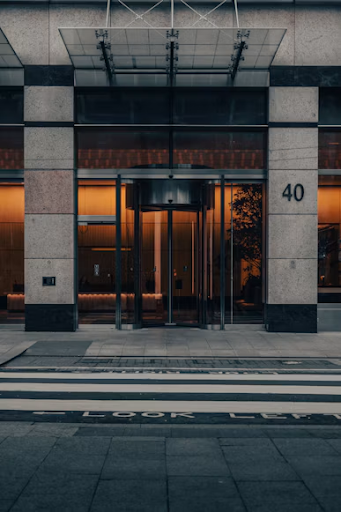
Cut Manual Supervision Hours
Automation produces the greatest time savings when routine arrivals no longer require individual attention. Give regular employees unique credentials and set access schedules that match their work hours. Vendors who arrive every Tuesday at 7 a.m. can receive limited permissions for that window, while one-time visitors can use temporary credentials that expire automatically.
Keep an exception process for unexpected arrivals. A visitor can contact reception through an intercom, provide a name, and confirm the person they’re meeting. Staff can then approve entry from a workstation or authorized mobile device without walking across the property.
Review activity logs each month to identify denied attempts, unusual access times, and credentials that are no longer needed. This short review supports accountability and helps managers adjust staffing or delivery schedules using real traffic data.
Maintain a Frictionless Visitor Flow
Test the full arrival process from a visitor’s perspective. Signs should identify the correct lane, explain how to request entry, and provide a contact method if the primary system fails. Position instructions where drivers can read them without blocking traffic or reversing in a confined area.
Coordinate access procedures with the property’s emergency action plan. Employees need clear instructions for equipment failures, evacuations, and first-responder entry. Schedule inspections based on the installer’s guidance and check sensors, communication devices, and backup power between professional service visits.
Finally, notify regular visitors before changing the process. A brief email with arrival instructions, approved hours, and a contact number can prevent delays on launch day. Monitor the entrance closely during the first two weeks, then adjust signs, schedules, and permissions based on actual use. A well-run entrance should fade into the background, letting people arrive without pulling employees away from higher-value work.

























Share in the comments below: Questions go here

Boost your commercial operations by automating daily access. Explore effective strategies to streamline processes and enhance your business performance!