

International expansion turns routine operations into a coordinated test of routing, packaging, documentation, and quality control. A shipment that moves smoothly between domestic facilities may face port delays, automated warehouse systems, and unfamiliar customs procedures once it crosses a border. Your operations plan needs clear standards that suppliers, freight partners, and internal teams can follow. The following framework focuses on four areas that directly affect delivery times, product condition, and total landed cost.
Mapping Out Global Export Routes
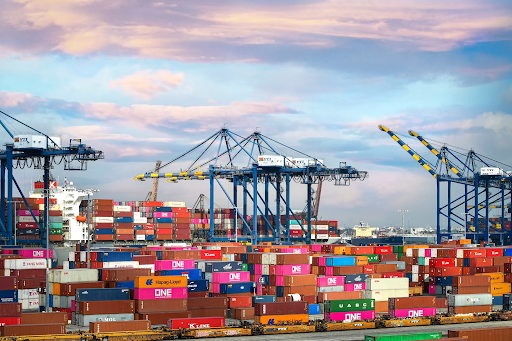
Map each route from the production floor to the customer’s receiving dock, including inland transport, ports, transfer points, and final-mile delivery. The global expansion playbook for manufacturers offers useful context for assessing logistics networks and preparing for cross-border growth.
Compare routes based on total transit time, schedule frequency, and exposure to disruption. A lower freight quote may lose its value if the route adds ten days of inventory holding or depends on one weekly departure. Run a trial shipment before committing significant volume, then record actual handling time at every stage. You should also identify an alternate port and carrier for each major market so a closure or capacity shortage doesn’t stop all outbound orders.
Meeting Automated Handling Demands
Confirm that export loads can move through conveyor systems, storage racks, and lifting equipment at both ends of the route. Small differences in pallet dimensions or entry points can interrupt a high-volume production line, leading to manual handling and costly delays.
For companies preparing shipments for European networks, EPAL Pallets for Export including EP1 and EP3 Euro Pallets provide certified options designed for international shipping and automated handling. Select the pallet format according to load size, weight distribution, and the receiving facility’s equipment. Before rollout, send specifications and test units to the destination warehouse. A controlled trial of 20 loaded pallets can reveal clearance, stability, or scanning problems before those issues affect a full container.
Managing Tariffs and Trade Documentation
Build a documentation checklist for every destination and assign ownership for each item. Commercial invoices, packing lists, origin information, and product classifications must agree across the shipment record. Even a minor discrepancy in quantity or product description can trigger an inspection.
Modern customs authorities increasingly use data analysis and automated screening, as this overview of AI border management explains. Consistent records help systems process shipments without avoidable exceptions. Create approved product descriptions and classification codes in your order platform, then restrict manual edits. For samples, trade shows, or equipment that will return home, this guide to temporary exports can help teams reduce repeated paperwork and prevent unnecessary duties.
Review tariff exposure before signing a sales contract. Your costing model should include duties, brokerage fees, port charges, and taxes so the quoted margin reflects the actual landed cost.
Maintaining Quality Control at Scale
Set measurable acceptance standards before increasing export volume. Packaging condition, label placement, moisture exposure, and load stability should have clear tolerances that inspectors can check and photograph. Use the same checklist at production, dispatch, and receipt to pinpoint where damage occurs.
Sampling plans should rise with shipment risk. A familiar product sent through a proven route may need routine spot checks, while a new package moving through several transfer points deserves closer inspection. Track defects by supplier, route, and carrier instead of combining them into one general rate. If 4 percent of cartons arrive crushed on one lane while other routes stay below 1 percent, the data gives you a specific issue to investigate. Share corrective actions with every facility handling the product and confirm the change in the next shipment.
Cross-border growth works best when operational standards travel with the product. Document the approved route, pallet specification, customs data, and inspection process in one controlled record for each market. That record gives your team a practical baseline when volumes rise or shipping conditions change, without forcing every new order to restart the planning process.




























Share in the comments below: Questions go here

Unlock the secrets to international growth with our Operations Playbook, designed to guide your business expansion beyond domestic borders effectively.