
Operational problems rarely begin at the moment they become visible. A failed inspection, service interruption or sudden change in environmental conditions often follows hours or days of quieter warning signs. Organizations that collect and interpret those signals early gain time to investigate, assign resources and limit disruption. Proactive data turns monitoring into a daily management tool, while reactive analysis explains what happened after the cost has already arrived.
The shift requires more than a dashboard. Teams need reliable sensors, clear thresholds and alert procedures that connect data to a specific response. When those elements work together, leaders can address small deviations before they develop into larger operational or compliance problems.
The Danger of Post-Mortem Analytics
Post-mortem analytics can reveal why an incident happened, but the findings arrive too late to change that incident’s outcome. A monthly report might show that water quality moved outside its expected range several times, for example. If no one saw the changes when they occurred, staff can only reconstruct the timeline and calculate the impact.
Delayed analysis also creates misleading averages. A short but serious spike may disappear inside a daily or weekly figure, especially when teams rely on manually collected samples. The resulting report can look stable even though conditions fluctuated enough to require attention. That gap affects maintenance schedules, regulatory records and confidence in the data.
Research on the move from reactive to proactive data highlights the value of using patterns to prevent problems instead of documenting them afterward. The same principle applies across facilities, utilities and environmental operations. A gradual change in temperature, conductivity or equipment performance can signal a developing issue long before a hard limit is crossed.
Start by reviewing recent incidents and identifying the earliest measurable sign for each one. Then ask how quickly staff received that information, who reviewed it and what action followed. This exercise often uncovers a practical problem: the organization already collects useful data, but its reporting cycle prevents people from acting on it.
Sensor Networks and Early Detection
A sensor network gives teams a continuous view of conditions across multiple locations. Each device measures selected variables at set intervals and sends the readings to a central platform. Analysts can then compare current results with historical baselines, operating targets and regulatory thresholds.
Coverage matters as much as measurement frequency. Placing every sensor near an easily accessible site may simplify maintenance, but it can leave upstream changes or remote problem areas unnoticed. Network design should reflect how conditions move through the monitored area. Teams should consider inflows, high-risk assets, previous incident locations and points where intervention remains possible.
For water utilities and environmental agencies, water catchment monitoring can provide real-time data access, automated reporting and a clearer picture of changes across catchments and water bodies. That visibility helps staff prioritize field visits and investigate unusual readings while the evidence remains current.
Sensors still require oversight. Establish a calibration schedule and record maintenance work against each device. Compare automated readings with periodic field samples to find drift or communication errors. Teams should also document expected data ranges for each location since a normal value at one site may be unusual at another.
Early detection works best when several readings provide context. A single high result could reflect sensor fouling, while simultaneous changes across related measurements may point to a genuine environmental event. Looking at connected signals reduces false alarms without hiding meaningful changes.
Streamlining Compliance and Auditing
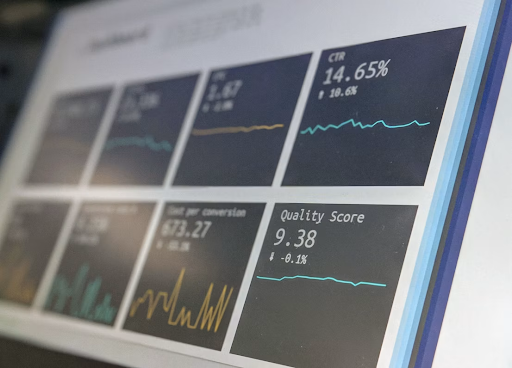
Compliance work becomes easier when records are created as part of normal operations. Continuous monitoring platforms can timestamp readings, retain calibration histories and record who acknowledged each alert, which is crucial for effective water quality monitoring. This creates a traceable account of what happened and how the organization responded.
Manual reporting often introduces avoidable gaps. Staff may copy figures between spreadsheets, use inconsistent labels or discover missing samples shortly before a submission deadline. Automated data capture reduces repeated entry and gives reviewers a standard record to examine. It also allows teams to validate information throughout the reporting period instead of trying to correct months of data at once.
Good recordkeeping must include context. An auditor needs to know the location, measurement method, unit and device status behind a reading. If a value changed sharply, the record should show when staff reviewed it and what they did next. Notes about calibration, site access or temporary communication loss can explain apparent gaps without relying on someone’s memory.
Physical conditions can affect data quality too. Aging buildings, exposed connections and poorly maintained service areas may interfere with monitoring equipment or create safety concerns for staff. A review of hidden warehouse dangers offers a useful reminder that infrastructure inspections should cover the spaces around data systems, not only the technology itself.
Set a regular internal review before formal audits occur. Sampling a small group of records each month can reveal missing metadata, unresolved alerts and inconsistent response notes while corrections are still manageable.
Setting Up Autonomous Alert Pipelines
An autonomous alert pipeline moves information from detection to action without waiting for someone to watch a screen. The system receives a reading, checks it against defined rules and routes a notification to the person responsible. More advanced pipelines can compare multiple variables, check recent trends and adjust urgency based on location or operating conditions.
Begin with a narrow set of alerts tied to clear actions. Too many notifications create alarm fatigue, which encourages staff to ignore both minor and serious messages. Each alert should answer four questions: What changed? Where did it happen? How urgent is it? What should the recipient do?
Use tiered thresholds to separate early warnings from critical events. A moderate deviation might trigger a request to review the next three readings, while a larger or sustained change could prompt immediate sampling and supervisor notification. Escalation rules should redirect an alert when the first recipient doesn’t acknowledge it within a defined period.
Proactive digital monitoring also supports fields beyond environmental management. Work on proactive cyber risk mitigation shows how continuous analysis can identify patterns associated with emerging problems. Across sectors, the useful lesson is the same: raw data needs rules, context and an assigned response.
Test every pipeline with simulated readings before relying on it. Confirm that notifications reach the correct people during working hours and after hours, then record how quickly each test is acknowledged. Review thresholds after seasonal changes, equipment upgrades or operating changes.
The most useful final test is simple: trace one abnormal reading from the sensor to the person expected to act. If any step depends on an unmonitored inbox, an undocumented assumption or a former employee’s account, the pipeline still has a gap.




























Share in the comments below: Questions go here

Struggling with hurtful feedback affecting your sales? Explore practical tips to handle criticism and improve your business performance today.