
The Hidden ROI of Investing in Workplace Safety
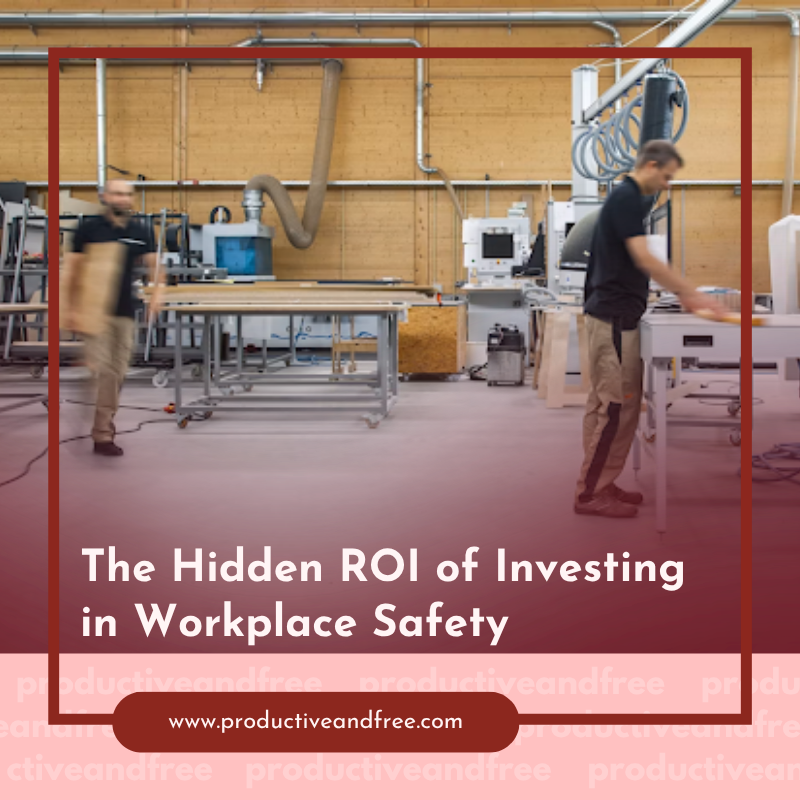
Many business leaders see workplace safety as just another expense, a cost they have to pay to meet regulations. But this view misses the bigger picture entirely. Investing in safety isn't just about compliance; it actually drives financial performance, makes operations more efficient, and boosts long-term asset value.
When you stop thinking of safety as a cost and start seeing it as an investment, you'll uncover a significant and often overlooked return.
Beyond Compliance: The Financial Case
Just barely meeting minimum safety standards to avoid fines is a reactive approach that ends up costing more. The real financial benefit of a strong safety program comes from avoiding the hidden costs of workplace incidents. These go way beyond initial medical bills, including legal fees, higher insurance premiums, and potential damage to your company's reputation.
A safe workplace is a productive one. When you put money into proactive measures, you're building a more resilient operation. Safety experts say a well-implemented EHS training can significantly boost ROI by cutting down on expensive incidents and improving overall processes. The financial argument is clear: money spent preventing accidents is an investment that pays off in avoided costs and stable operations.
Reducing Accidents and Downtime
Every workplace accident, even a small one, causes disruption. Work stops, team members get sidetracked, and management has to shift its focus to investigate and deal with the aftermath. In fields like manufacturing, construction, or maintenance, this downtime directly translates into lost revenue and project delays. Just one incident can throw an entire production schedule off track.
By consistently finding and fixing hazards, you create a smoother, more predictable workflow. Fewer accidents mean fewer interruptions. Equipment stays running, projects stay on schedule, and your team can focus on their main tasks without the constant starts and stops that follow an injury. This steady operational pace, a direct result of a well-managed safety program, is a key part of its return on investment, much like what you see with effective Karabiner height safety inspections.
The Role of Expert Safety Inspections
While general safety awareness is important, many critical systems need specialized knowledge to be properly assessed. This is especially true for equipment used for working at heights, electrical systems, or heavy machinery. Internal checks might catch obvious problems, but they can easily miss subtle signs of wear or non-compliance that only a trained professional would spot.
Bringing in third-party experts for regular audits gives you an objective and thorough evaluation of your safety protocols and equipment. These expert assessments don't just check a compliance box; they offer practical insights to prevent catastrophic failures, protecting both your workers and your financial interests.
Boosting Morale and Retention
Employees can tell if their employer genuinely cares about their well-being. A workplace with a poor safety record or one that only pays lip service to safety creates an environment of anxiety and distrust. This directly impacts morale, engagement, and ultimately, employee retention. High turnover is expensive, costing money for recruitment, hiring, and training new staff.
On the other hand, a company that clearly invests in creating a safe environment sends a powerful message: we value you. When employees feel safe and protected, they are more likely to be loyal, engaged, and productive. A strong safety culture becomes a competitive advantage in the job market, helping you attract and keep top talent. Investing in a partnership with employer services to improve safety and well-being can significantly boost your workforce stability and performance.
Long-Term Value for Property Owners
For those who own or manage commercial or residential properties, safety investments directly add to the building's long-term value. A property with a documented history of professional safety inspections and well-maintained systems is a more appealing asset to potential buyers and tenants. It shows responsible management and reduces perceived risk.
What's more, proactive safety maintenance can lead to lower insurance premiums and reduce the chance of expensive lawsuits from tenants or contractors. Properly maintained safety features, from clear emergency exits to certified rooftop anchor points, protect the physical asset from damage and its owners from liability. This commitment to safety isn't just an operational tactic; it's a core part of smart asset management that preserves and enhances property value over time.
Investing in workplace safety is one of the smartest business decisions you can make. It protects your people, streamlines your operations, and builds a more resilient and valuable enterprise for the future.











Share in the comments below: Questions go here
Transform your sales approach with expert tips on outbound sales. Propel your growing business to new heights with actionable insights and strategies.