
What Hidden Dangers Exist In Your Warehouse
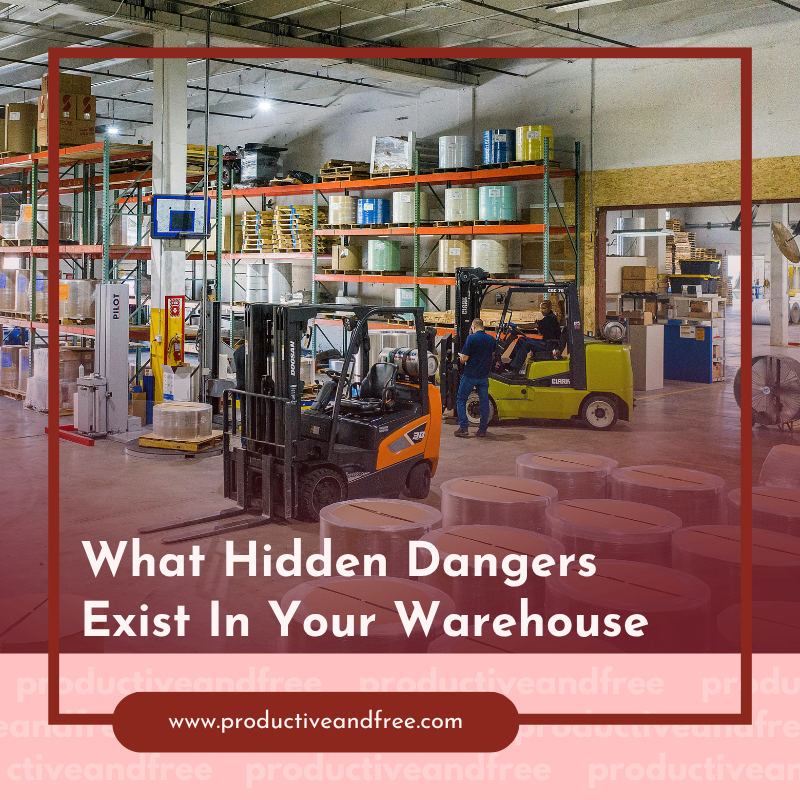
You might not think so, but a warehouse can be a very dangerous place. That may also be obvious in some ways, what with the chance for boxes to fall off of a shelf, or for an employee to trip over a box that’s been left in an aisle.
But either way, many people underestimate what risks can exist in a warehouse space.
Because it’s not just about packing equipment and materials away so that no one can fall over them. There are quite a few hidden dangers present in various warehouses up and down the country; and that could include your own.
Let’s run through a few of these potential dangers in the list below.
Staff Don’t Know the Right Handling Techniques
Warehouse management can be a bit of a logistics painpoint, what with there being so many moving parts to keep your eye on.
But there’s one thing you always need to get right above anything else: staff training.
Having well trained warehouse staff reduces accidents and injuries, and makes warehouse risks much more controllable in the long term. However, without any training at all, your staff will never be able to work in a safe, healthy, and managed environment.
If a team member has warehouse duties, they should know how to lift and carry heavy equipment without hurting themselves. They should know what PPE to wear, and when to change it.
They should also know what’s too heavy for one person to lift, and whether or not equipment will be required. They should also be trained on where to find the right transport equipment, as well as how to use it safely.
Without any of this training, they’re much more likely to get hurt on the job, which then leads to increased absenteeism and sick leave. Your business will need to pay out for both.
Ultimately, you may even experience a higher rate of employee turnover than you really should.
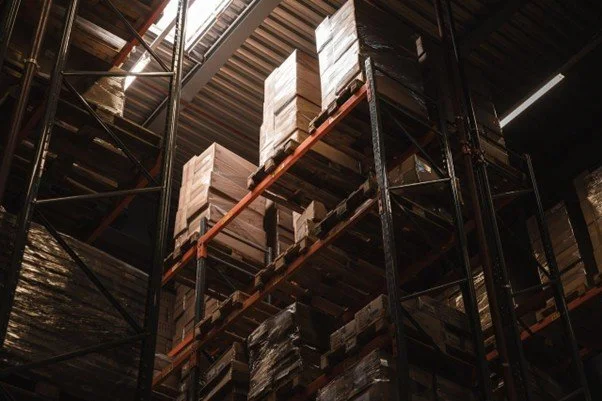
There’s a Build-Up of Particles in the Air
Air quality is an essential element of warehouse safety. It’s just that many businesses forget to account for it. After all, you’re just working in a warehouse filled with cardboard, paper, and plastic - why would the air need to be purified?
That’s the thing; there’s all kinds of particles that exist around us whenever we’re in an enclosed space.
And in a warehouse, where teams of people are coming and going all the time, and new items are arriving on a frequent basis, a lot of fine particles can be kicked up into the air we breathe.
That’s why vent systems, dust extraction, and regular replacement of your warehouse’s baghouse filters, are essential parts of your maintenance and hygiene requirements.
You also shouldn’t forget that germs and bacteria can easily thrive in environments with low ventilation. Your staff could become sick more often, thus requiring more time off, and then simply get sick again when they come back to work.
There’s no Tracking of Vehicle Maintenance
Most warehouses require vehicle usage, in the form of forklifts, warehouse trucks, trolleys, stock cages, and pullable platforms.
These can be used to simplify the workload your employees are handling, and speed up proper stock management and rotation. That’s all good so far.
However, when was the last time any of these vehicles were checked over to see what condition they’re in?
If you’re not sure, there’s a chance you’re not tracking vehicle maintenance properly - if it’s happening at all.
Any vehicles or movable equipment should be checked before every use to see if there are any risks present. This should then be marked down on a maintenance rota for everyone else to see.
Vehicle Collisions Can Occur
Even when you carefully safeguard against them, there may still be an incident where a ‘pedestrian’ (anyone not in a vehicle) has been bumped into or knocked over by something being driven or pulled around the workhouse. That’s simply a risk you have to watch out for.
However, you need to make sure these safeguards are actually in place. It’s not just a matter of common sense.
To start with, vehicles should only be allowed in certain zones of the warehouse, and these zones should be clearly marked out.
Similarly, if a vehicle is currently in operation, staff should be made aware that it’s on the floor. Use visual reminders in the forms of signs, or a traffic light system, to let pedestrian workers know when they need to look before moving.
You Don’t Regularly Review PPE
Staff PPE needs to be reviewed at least twice a year to check if it's still fit for purpose.
Turn to your employees here. They’ll know better than anyone what it’s like to use the PPE you provide, and they could offer great feedback on what could be better.
Ask them about factors like tactile grip, how hot the PPE can become, and whether or not they feel comfortable to wear it for long periods of time.
There are Bumps or Cracks in the Flooring
Finally, we have a quick trip and fall hazard to go over!
Uneven flooring can cause workers to catch their shoes as they’re walking or carrying items, and bumps/cracks should be filled in or smoothed out ASAP.
Investigate Your Warehouse for These Hazards
Hidden dangers exist in most workplaces around the globe. But when it comes to a facility like a warehouse, the potential risks are far more present. You need to be sure there are no hazards just waiting around the corner.
Delicate materials may be kept in storage like this. Heavy, high-powered vehicles may operate within the space too. And your teams need to be aware of how to stay safe when they’re on the job.
So, make sure you investigate your warehouse operations on a regular basis. Look for signs of improper cleaning, ineffective PPE, trip and slip risks, and how likely it is that your staff will get injured from handling and lifting stock.



















Share in the comments below: Questions go here

Transform your sales approach with expert tips on outbound sales. Propel your growing business to new heights with actionable insights and strategies.