

Vacation rental income can become far less demanding when routine decisions no longer require your direct attention. The aim is to build a property that runs on documented processes, dependable service partners, and automated guest tools. You’ll still oversee performance and handle unusual situations, but daily operations should continue without constant messages or manual follow-up.
Evaluate Your Current Time Commitment
Track every rental-related task for two weeks, including five-minute jobs that are easy to overlook. Record guest messaging, calendar updates, supply orders, payment checks, and coordination with cleaners. Beside each task, note how often it occurs and how long it takes.
This audit shows where your time actually goes. A host might discover that answering repeated check-in questions consumes three hours each week, while pricing adjustments take only 30 minutes. Review these short-term rental strategies as you decide which activities affect occupancy, reviews, and revenue.
Set a realistic target after calculating your baseline. Reducing weekly involvement from 12 hours to four is more practical than expecting immediate zero-touch ownership.
Identify Friction Points in Daily Management
Look for tasks that interrupt your day, produce frequent errors, or depend on information stored only in your head. Late access instructions, missing linens, and unclear checkout expectations are common warning signs. Each recurring problem needs a standard response, an assigned owner, or an automated workflow.
Create message templates for booking confirmations, arrival details, and checkout reminders. Store property instructions in one digital guide that you can update without reprinting materials. A shared turnover checklist should identify who checks toiletries, reports damage, and confirms that the rental is guest-ready.
Revenue amenities also need low-maintenance systems. Bartech Minibar Solutions gives vacation rental hosts a way to offer a hotel-style minibar without tracking individual items or reconciling each purchase. Guests scan a QR code, pay for the minibar package, and the unit unlocks once payment is confirmed. This can create an additional revenue opportunity without adding the work of managing individual item charges.
Implement Automated In-Stay Upsells
Choose upsells that solve a clear guest need and require little host involvement. Early check-in, late checkout, and stocked convenience items can work when availability, payment, and delivery are easy to manage. Offers should arrive at a useful moment. For example, send an early check-in option two days before arrival once the cleaning schedule is confirmed.
Keep the menu short. Three relevant choices are easier to understand than ten loosely related extras. State the price, what the guest receives, and any cutoff time in one message.
Track each offer for at least 30 to 60 days. Compare gross sales with processing costs, supplies, and labor. If a $25 add-on creates $18 in extra coordination, it isn’t producing meaningful hands-off income. Retain offers that deliver a healthy margin without generating repeated questions.
Protect Your Personal Bandwidth
Set clear boundaries for routine communication while preserving a path for urgent help. Guests should know when they’ll receive responses and how to report issues such as lost access, a water leak, or a failed heating system. Give cleaners and maintenance providers similar escalation rules so every small decision doesn’t reach you.
A local backup contact can cover genuine emergencies when you’re unavailable. Provide that person with approved spending limits, vendor details, and concise property instructions. These vacation rental management tips can help you spot operational risks that need a documented process.
Schedule one weekly review for upcoming stays, maintenance flags, and financial results. The broader guide to property management practices also explains how maintenance, pricing, and tenant experience support higher rental income.
Hands-off income still requires oversight, but it shouldn’t require constant availability. A useful test is simple: if you stepped away for a long weekend, routine arrivals, purchases, and turnovers should continue without improvised instructions. Any process that fails that test is the next one to document or automate.

See the operational blind spots that can slow fast-growing product brands, from inventory and fulfillment to team workflows—and what to improve first.

Explore why focused digital products can beat broad templates, from meeting precise customer needs to building trust and driving more relevant sales.

Build a vacation rental business that works with less day-to-day effort. Learn proven ways to streamline operations and create lasting rental income.
Digital product creators can streamline their business with better physical systems. Discover practical ways to organize tools, workflows, and daily operations.

Ready to stop hustling and start leading? Explore how solopreneurs can adopt CEO thinking, reclaim their time, and grow with purpose.

Explore strategies to help solopreneurs break free from constant content creation, streamline their process, and publish consistently with less effort.

Struggling with hurtful feedback affecting your sales? Explore practical tips to handle criticism and improve your business performance today.

Discover how scaling teams manage tech upkeep efficiently, saving time and boosting productivity. Learn strategies to streamline your processes today!

Discover how a backyard office can enhance your focus and productivity. Explore design tips and benefits for creating your ideal workspace at home.

Discover why proactive data strategies outperform reactive problem-solving. Learn how to anticipate challenges and drive success in your organization.
Redesign your workspace effortlessly! Explore practical tips to enhance your environment while keeping your productivity levels high and your focus sharp.
Explore the evolution of digital automation as it ventures outdoors. Find out how it's revolutionizing sectors like farming, construction, and transportation.

Navigate the commercial property market with confidence. Our comprehensive guide offers expert advice on choosing the right space for your business needs.

Transform your raw acreage into a profitable retreat space with our comprehensive guide. Find out how to attract visitors and boost your revenue effectively.
Transform your garage into a functional office space with our practical guide. Discover tips, design ideas, and essential steps for a successful conversion.

Discover how to transform vacant land into a lucrative passive income stream with our expert tips and strategies. Start earning today!
Boost your commercial operations by automating daily access. Explore effective strategies to streamline processes and enhance your business performance!

Discover how corporate boat hire can elevate your enterprise hospitality experience. Explore the benefits and make your next event unforgettable!

Transform your marketing strategy with our expert blueprint! Learn how to maximize ROI and create successful paid campaigns that engage and convert.

Unlock the secrets to transforming in-person interactions into email leads. Learn proven techniques to enhance your lead generation strategy!

Explore the transformative benefits of BJJ for women and children. Learn how this martial art fosters confidence, discipline, and valuable life skills!

Unlock the secrets to international growth with our Operations Playbook, designed to guide your business expansion beyond domestic borders effectively.
Ready for lasting change? Learn how to build better habits with our proven techniques and tips. Start your journey to a better you today!
Elevate your online presence with our modern playbook for sustainable organic traffic. Learn effective techniques to attract and retain visitors ethically!
Learn the essential steps to create and scale your online course business. Our complete guide offers tips for success and maximizing your reach!

Discover how traveling can enhance your understanding of customer needs and preferences. Learn valuable insights to boost your entrepreneurial success.
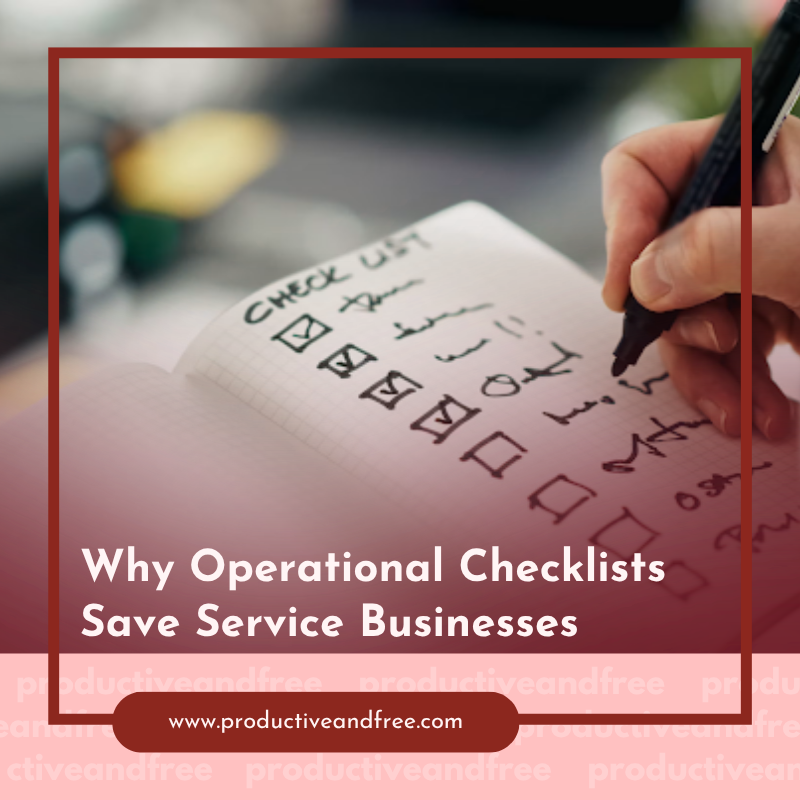
Explore the benefits of operational checklists for service businesses. Increase productivity, reduce errors, and ensure top-notch service delivery with ease!

Maximize your Canva lead magnets to generate daily traffic. Explore effective techniques to attract more visitors and enhance your online presence!

Start your journey in electronics manufacturing with our essential guide for new entrepreneurs. Gain insights to launch and grow your business effectively.
Share in the comments below: Questions go here

See the operational blind spots that can slow fast-growing product brands, from inventory and fulfillment to team workflows—and what to improve first.