
Recurring revenue gives online retailers more predictable cash flow and clearer inventory needs. The strongest programs begin with products customers already replace on a regular schedule, then support that demand through dependable sourcing and timely communication. You don’t need to launch a complicated subscription service on day one.
Start by studying order patterns, testing reminders, and tracking repeat purchases. Those signals will show where recurring revenue can grow without relying on constant discounts or a rising advertising budget.
Identify Natural Replenishment Cycles
Review at least six months of order data and calculate the number of days between purchases for returning customers. Focus on consumable or frequently replaced items, since these tend to produce the clearest patterns. If buyers reorder a 30-count product every 35 to 45 days, for example, a reminder around day 30 may reach them as their supply runs low.
Customer behavior won’t always match the usage period printed on a package. Some people use products less often, buy for multiple household members, or order several units at once. Segment replenishment estimates by quantity, product type, and customer history. A documented stock replenishment process can also help connect expected repeat demand with purchasing schedules, reducing the risk of promoting an item that’s unavailable.
Source Reliable Wholesale Inventory
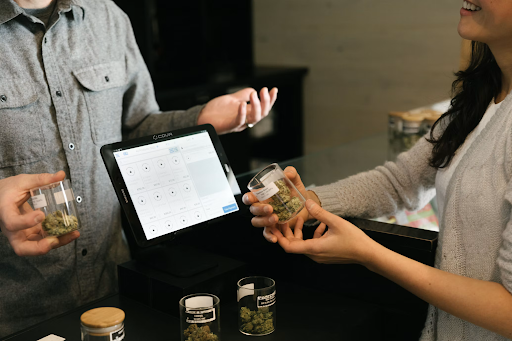
Recurring revenue depends on consistent availability. Before committing to a supplier, compare minimum order quantities, lead times, pricing tiers, and procedures for damaged or delayed shipments. Request current product documentation where applicable and place a smaller trial order to assess packaging, order accuracy and delivery performance.
Retailers in relevant categories may evaluate wholesale CBD products when sourcing tinctures, gummies, capsules, topicals, or pet products for resale. The same screening standard applies across product categories: confirm that the available formats fit actual customer demand and that restocking terms support your projected reorder schedule.
Build a backup plan for top sellers as well. Keeping a limited safety stock or identifying an alternate supplier can prevent a short delay from interrupting repeat orders and weakening customer trust.
Automate Reorder Email Sequences
Create email sequences around observed buying intervals instead of sending every customer the same message. A simple sequence might include a usage check-in after two weeks, a reorder reminder near the expected replacement date, and one follow-up several days later. Each email should link directly to the relevant product or a prefilled cart so the customer has fewer steps to complete.
Adjust timing based on quantity. Someone who buys two units probably needs a later reminder than someone who buys one. Pause messages after a new purchase and exclude customers when an item is out of stock.
Once the basic sequence works, connect it to your wider operating system. This guide to automating routine business tasks explains how automation can recover time for higher-value work. Keep messages useful by including product care, storage, or usage guidance alongside the reorder prompt.
Track Retention Over Acquisition
Measure the percentage of first-time customers who place a second order within a defined period, such as 60 or 90 days. Then track the third-purchase rate, average time between orders, and revenue from returning customers. These figures reveal whether recurring sales are becoming a stable part of the business.
Inventory data belongs in the same review. Good retail inventory management connects purchasing, sales forecasts, and stock levels, which helps prevent missed repeat orders. Review retention by product and acquisition source too. A campaign that attracts 500 low-cost first orders may deliver less long-term value than one producing 200 customers who reorder three times.
Use those findings to refine reminder timing, purchasing quantities, and product bundles. If repeat customers commonly buy two related items together, test a convenient replenishment bundle without forcing enrollment in a subscription.
A recurring revenue program becomes useful when it reflects real customer behavior. Choose one product with steady repeat demand, map its typical reorder window, and monitor the next two customer cohorts. Their second and third purchases will provide a practical baseline for expanding the program.
























Share in the comments below: Questions go here

Work is only one part of a fulfilling life. Find inspiration to prioritize your well-being, nurture relationships, and enjoy more of what matters beyond the job.