
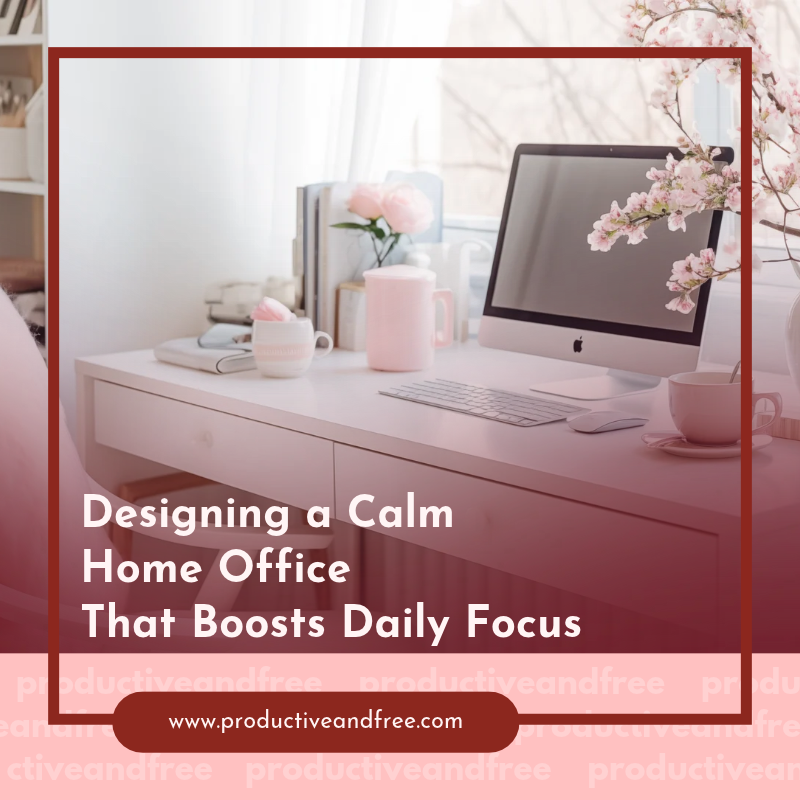
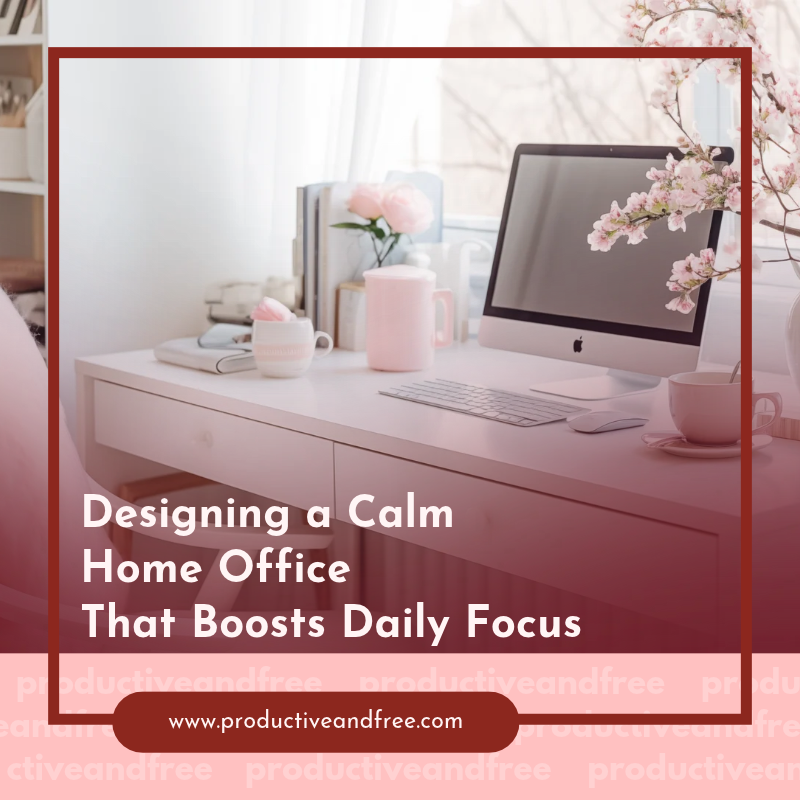
A calm home office makes it easier to begin work, stay with a task and switch off when the day ends. You don’t need a large room or an expensive redesign to create one. Thoughtful choices around layout, sound, comfort and storage can turn even a compact corner into a focused workspace. Start with the distractions that affect you most, then make small changes that support the way you actually work.
The Psychology of Intentional Workspaces
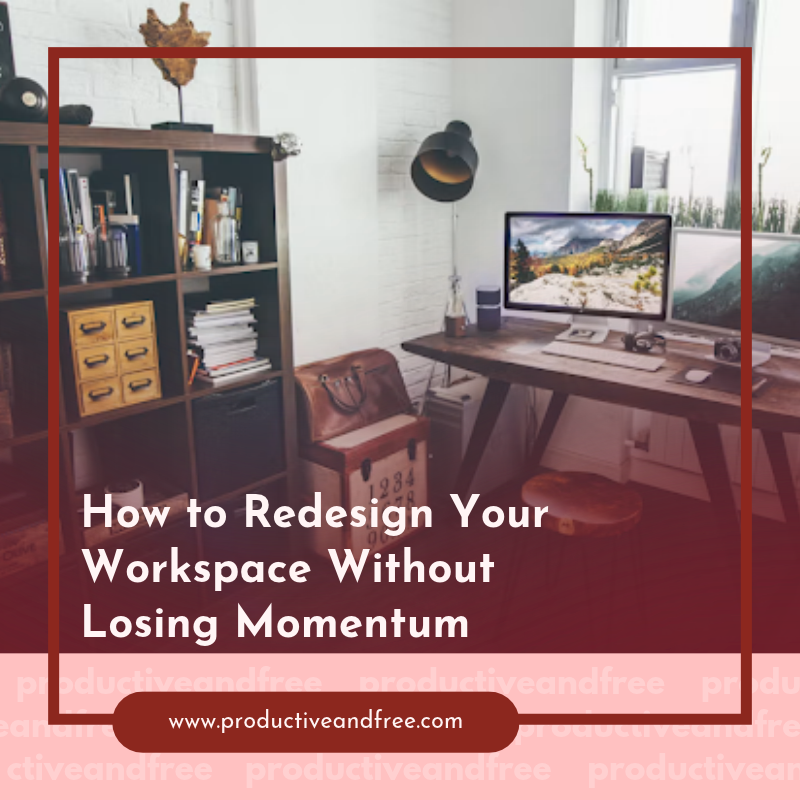
Your surroundings send cues about what to do next. A clear desk can signal that it’s time to focus, while visible laundry or household paperwork competes for your attention. Give the workspace an obvious purpose by limiting what sits within your direct line of sight.
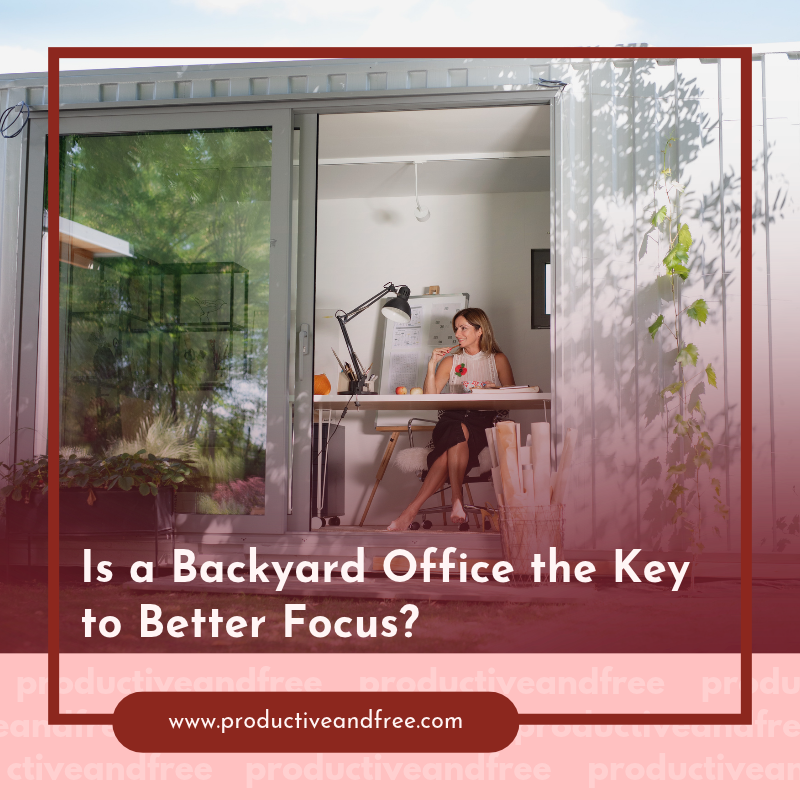
Position your desk near natural light if possible, but angle the screen to reduce glare. A lamp with adjustable brightness can help on darker days. Thoughtful office design for better focus can also involve using natural light, greenery and a layout that reduces unnecessary distractions.
Creating a home office that supports productivity also means choosing a relatively quiet area, keeping the space uncluttered and reducing distractions that repeatedly pull your attention away from work.
Keep the colour palette restrained and add one personal object, such as a framed photograph or small plant. Try creating a short start-of-day cue too. Opening the blinds, filling a water bottle and reviewing three priorities can help your brain recognise that work has begun.
Controlling Ambient Noise and Echo
Hard surfaces reflect sound, so bare floors and empty walls can make keyboard taps, conversations and street noise feel sharper. Softer materials absorb some of those reflections and create a more settled atmosphere.
Start with the floor, especially if your office sits above another room or beside a busy hallway. Homeowners near Macclesfield who want a softer permanent surface can compare carpet fitting services for flooring that adds comfort while helping soften some of the sound within the room. A large rug with a suitable pad can also help in rented homes.
Curtains, fabric blinds and upholstered seating reduce echo further. If outside noise remains distracting, use steady background sound at a low volume. Avoid music with lyrics during writing or detailed analysis, since language can compete with the words you’re processing.

Selecting Ergonomic and Tactile Elements
Comfort should help you work without drawing attention to itself. Set your chair so your feet rest flat and your knees sit close to a right angle. Your elbows should remain relaxed beside your body, with the keyboard positioned around elbow height. Raise the monitor until the top portion of the screen is near eye level.
Texture matters as well. A smooth writing surface, comfortable chair fabric and warm flooring can make the office feel inviting without adding visual clutter. Choose items you enjoy touching and using every day, not accessories that only look good in photographs.
Creating a mindful home office can also involve establishing a clearer boundary between work and rest. If the desk is in a bedroom or living area, close the laptop and store work materials at the end of the day. That simple reset reduces the sense that work is always present.
Decluttering Your Daily Creative Workflow
Clutter often grows because useful items lack an assigned home. Watch what accumulates on your desk for one working week, then organise around those habits. If receipts gather beside the keyboard, add a small document tray. If charging cables slide onto the floor, secure them beneath the desk with clips.
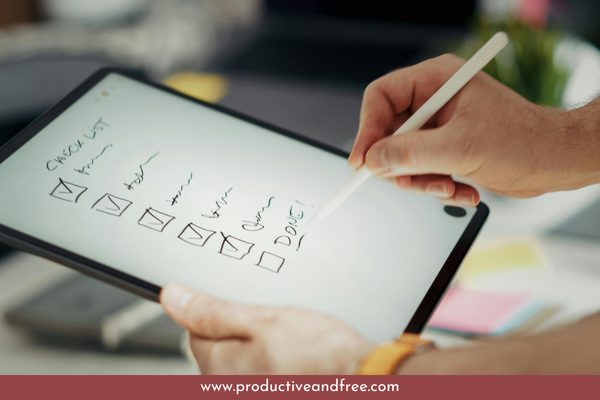
Keep only daily tools within reach. Weekly reference materials can go in a drawer, while archives belong in labelled boxes or digital storage. A five-minute closing routine prevents small piles from becoming a weekend project: discard rough notes, return supplies and write tomorrow’s first task on a notepad.
Apply the same thinking to your computer. Close unused tabs, remove unnecessary desktop files and silence notifications during focused sessions. A 30-minute block with one document open will often produce more useful work than an hour interrupted by alerts.
Your office should make the next action obvious. When tomorrow’s priority is waiting on a clear desk, the chair feels comfortable and the room sounds settled, starting work takes less effort. End each day by restoring that simple setup so you can return to it without friction.























Share in the comments below: Questions go here

Work is only one part of a fulfilling life. Find inspiration to prioritize your well-being, nurture relationships, and enjoy more of what matters beyond the job.