

Passive income remains dependable only when the legal rights, payment systems and access rules behind it are kept current. A course may keep selling and a licensing agreement may continue producing royalties, but those payments can stop if ownership records are unclear or no one can manage the accounts during an emergency.
Smart protection starts with an inventory of each income source. Record what produces revenue, who owns it, where payments arrive and which contracts control it. That inventory becomes the foundation for the steps below.
Securing Royalties and Digital Royalties
Document ownership before relying on royalties as long-term income. Save signed agreements, registration records, source files and payment statements in one organized system. For creative assets, intellectual property protection also requires clear agreements with contractors who helped produce the work.
Review each platform and licensing contract for payment schedules, renewal dates, termination rights and transfer restrictions. Effective licensing revenue strategies define the licensed asset, permitted uses and royalty calculation in writing.
Reconcile statements against deposits at least quarterly. If a catalog should earn $2,000 per quarter but only $1,400 arrives, early review gives you time to identify reporting errors or an expired agreement.
Separating Personal Brand from Entity Assets
Create a clear boundary between your public identity and the assets that generate income. A founder may appear in every video while a business entity owns the course recordings, website content, trademarks and customer contracts, which is a key part of how you choose business structure. Written assignments should show how those rights moved to the entity.
Use separate bank accounts, bookkeeping files and contracts for business revenue. Avoid receiving platform payments in a personal account if the underlying asset belongs to the company. These habits create cleaner records for taxes, audits and a future sale.
Ownership decisions can also affect an estate plan. Before transferring business interests or naming beneficiaries, review frequently asked estate planning questions and discuss your specific assets with a qualified attorney in your jurisdiction.

Structuring Trusts for Ongoing Revenue
A trust can provide instructions for managing revenue-producing assets after incapacity or death. The document may identify who controls a membership site, collects licensing payments or approves updates to an established digital product. Local law and tax treatment vary, so professional guidance is necessary before transferring ownership.
Start by confirming that the trust can legally hold each asset. Some platform accounts can’t be transferred directly, while business interests and intellectual property rights may require assignments or updated ownership schedules, all of which are essential to maintain strong digital trust online. Name a trustee who understands both financial administration and digital operations.
Instructions should cover distributions, expenses and reinvestment. For example, you might direct the trustee to reserve 20 percent of annual royalties for hosting, editing and accounting before distributing the balance to beneficiaries.
Automating Safe Access for Successors
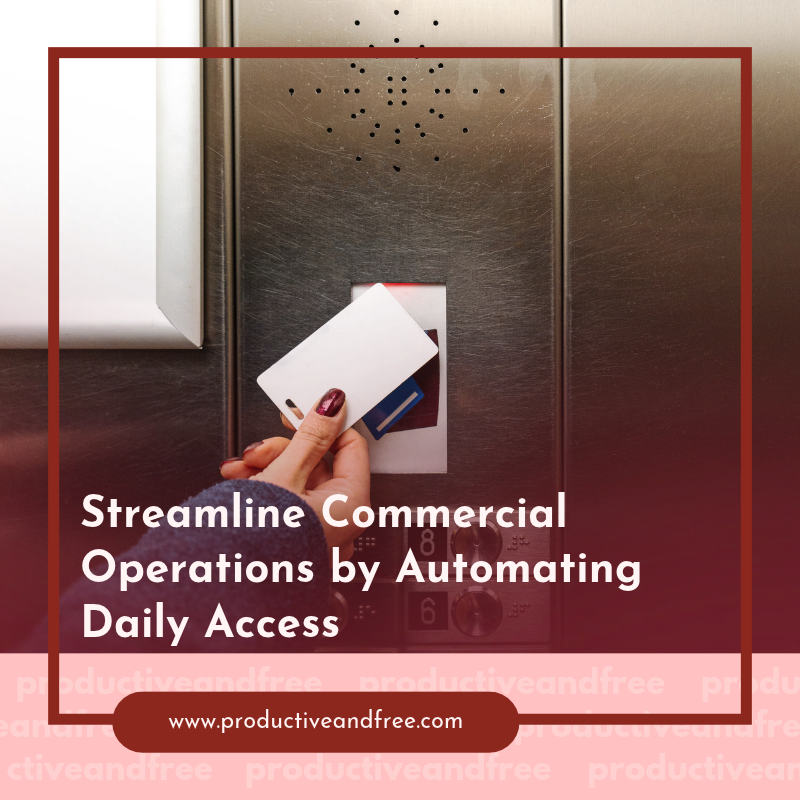
Successors need controlled access to operating information without exposing sensitive credentials during your lifetime. Use a password manager with emergency access, enable multi-factor authentication and keep account recovery details current. Never place active passwords directly in a will because that document may become accessible through a public court process.
Create an account map listing each platform, its purpose, the payment destination and the person authorized to manage it. Keep legal documents and technical instructions separate, then tell your trustee or designated operator where both are stored.
Test the process once a year. Ask the intended successor to explain how they would find a licensing agreement, confirm a payment and contact a platform. Any gap they uncover should become a written update to the access plan.
A protected passive income system should survive more than a forgotten password or an outdated contract. Schedule one annual review tied to a memorable business date, such as the end of your fiscal year. Confirm ownership records, beneficiary instructions and emergency access at the same time so the revenue stream remains manageable when someone else must step in.























Share in the comments below: Questions go here
Lasting injuries can affect your health, work, and finances. Find out how to protect your rights, preserve evidence, and pursue fair compensation after an accident.