
Maximize Business Efficiency Through Resource Planning
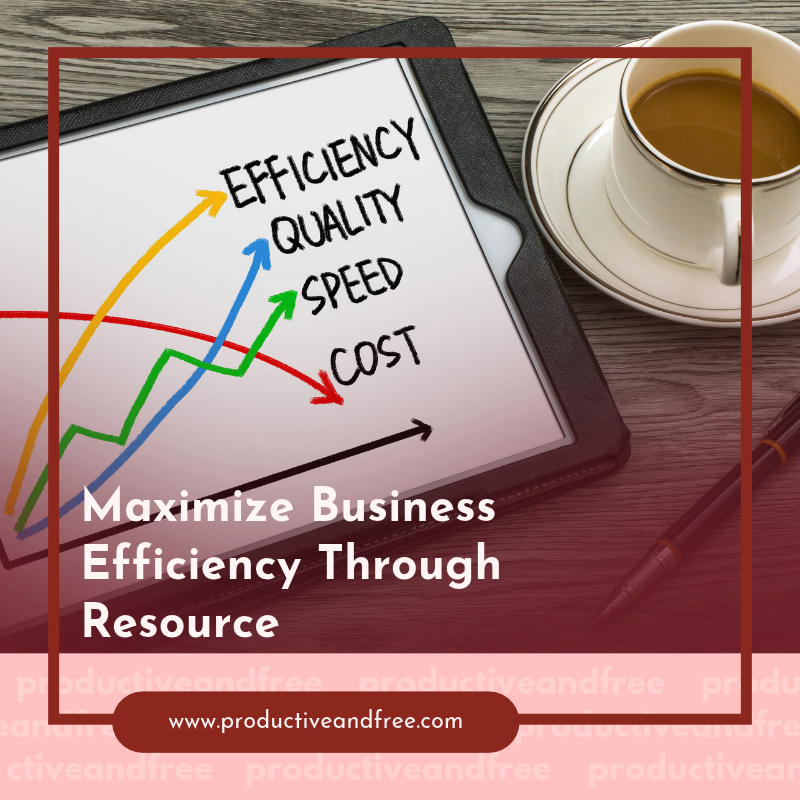
Running a business efficiently means making the most of what you have. From your team's time to your budget and equipment, every resource needs careful management to keep projects on track and profitable.
Mastering resource planning isn't just about creating a schedule; it's about understanding what you can handle, anticipating needs, and building a strategy that helps your business thrive. This guide will walk you through the key steps to develop a resource management process that boosts productivity and drives success.
Understanding Resource Constraints
Before you can assign resources, you need a clear picture of what you have and its limits. Resources generally fall into a few categories: human (your team's skills and availability), financial (your project budget), and physical (equipment, materials, and office space). A common mistake is underestimating these limits, which often leads to delays, budget overruns, and burnt-out employees.
Start by doing a thorough audit. Who is on your team, and what are their specific skills? What's the realistic budget for an upcoming project? What equipment do you own, and what might you need to get from outside?
For specialised machinery that isn't needed full-time, using a plant hire service can be much more cost-effective than buying it outright. Recognising these limits early helps you build a realistic plan from the ground up, stopping problems before they start.
Creating a Robust Resource Plan
Once you clearly understand your limits, you can start building your plan. This means predicting what you'll need for upcoming projects and assigning your available resources accordingly. A good resource plan gives everyone involved a single, reliable source of information, making it clear who is doing what, when, and with what tools.
To begin, break your project into individual tasks and estimate the time and skills each one will need. This helps you spot potential resource shortages or conflicts ahead of time. For more detailed guidance, a complete guide to resource planning offers step-by-step instructions for creating detailed project timelines and allocation charts. Match tasks to team members based on their expertise and availability, making sure no one is given too much to do. This proactive approach ensures your project starts on solid ground.

Flexibility for Project Success
No project ever goes exactly as planned. Unexpected challenges are a normal part of business, whether it's a key team member getting sick, a supplier delay, or a change in what the project needs. The difference between a project that fails and one that succeeds often comes down to how well you handle these changes. A rigid plan will break under pressure, while a flexible one can bend without snapping.
Build in backup plans from the start. This could mean adding extra time and money to your budget, or identifying backup team members for crucial tasks. It’s also important to encourage open communication where team members feel comfortable bringing up potential issues early. When a problem does come up, you can quickly adjust resource assignments, re-prioritise tasks, and keep stakeholders informed to manage expectations.
Tools for Seamless Scheduling
Tracking resources manually with spreadsheets might work for very small teams, but it quickly becomes messy as your business grows. Modern project management and resource scheduling tools give you the visibility you need to manage complex projects effectively. These platforms let you see everyone's workload at a glance, track progress against deadlines, and quickly reassign tasks when priorities change.
Software like Asana, Trello, or Monday.com combines task management with timelines, while more specialized resource management tools offer advanced features for capacity planning and forecasting. Using the right software helps automate much of the administrative work, freeing you up to focus on strategy. By following established resource management best practices, you can pick and set up a system that gives you a clear, real-time view of your entire operation.
Reviewing and Adapting Your Strategy
Resource planning isn't something you set up once and forget. It's a continuous cycle of planning, doing, and reviewing. Once a project is done, take time to analyze what went well and what didn't. Did you accurately predict the time needed for certain tasks? Were any team members consistently overloaded? Were there any unexpected equipment needs?
Use this information to improve your planning process for future projects. This feedback loop is essential for getting better over time. By regularly reviewing your performance, you can make your predictions more accurate, improve how you assign resources, and build an increasingly efficient and resilient business operation.
Effective resource planning is the engine of a productive business. Taking a structured approach to understanding your capacity and allocating your assets wisely helps you deliver projects on time and on budget, all while keeping your team engaged and motivated.























Share in the comments below: Questions go here

Discover the top 5 signs that your hiring process may be driving away talented candidates. Improve your recruitment strategy and attract the best talent today!