
Build a Stronger You: Integrating Strength Training into Your Diet
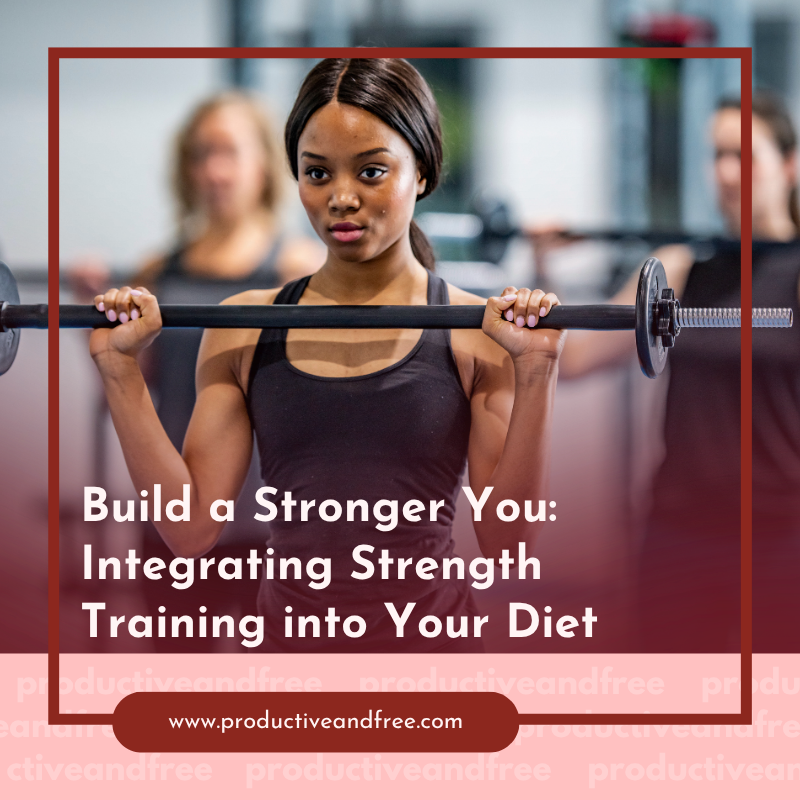
If you're hitting the gym to build strength, remember that your efforts there are really only half the story. The food you eat isn't just fuel for your workouts; it's also the building blocks your muscles need to repair and grow. When you pair a smart nutrition plan with your strength training, that's when you'll really start seeing lasting results. It's not about strict diets, but about eating in a way that truly supports you and helps you get stronger from the inside out.
Why Strength Training Matters
Strength training does so much more than just build muscles you can see. It's one of the best ways to kick your metabolism into high gear, since muscle tissue burns more calories at rest than fat does. Plus, regular resistance exercise helps make your bones stronger, which is important for long-term health and keeping osteoporosis at bay. The benefits of strength training even include better balance, improved posture, and less risk of injury in your everyday life. To really get these benefits, you've got to be consistent. Getting started is often the toughest part, but having access to lots of different equipment at a supportive gym like Fitness 19 can give you the structure you need to make it a habit that sticks.
Protein Needs for Muscle Growth
When you lift weights, you're actually creating tiny little tears in your muscle fibers. Protein then steps in, providing the amino acids needed to fix these tears. That's how your muscles grow back bigger and stronger! Without enough protein, your body can't really do this repair job effectively, and all your hard work won't pay off.
So, how much do you actually need? Everyone's a bit different depending on their body weight and how active they are, but if you're strength training, you'll definitely need more protein than someone who's not. To get a clear idea of what's right for you, it helps to understand how much protein you need based on how intense your workouts are. Try to include a good source of high-quality protein with every meal.
Here are some great options:
Lean Meats: Think chicken breast, turkey, and leaner cuts of beef.
Fish: Salmon, tuna, and cod are fantastic.
Dairy: Greek yogurt, cottage cheese, and milk are easy choices.
Eggs: Versatile and packed with protein.
Plant-Based Options: Lentils, chickpeas, tofu, edamame, and quinoa are all excellent.
Carbohydrates for Fuel
Carbohydrates have gotten a bit of a bad rap over the years, but they're actually your body's favorite way to get energy. When you eat carbs, your body stores them as glycogen in your muscles and liver. Then, during a strength training session, your body taps into these glycogen stores to power your lifts. If your glycogen levels are low, you'll probably feel tired and weak, and you won't be able to perform your best.
Focus on complex carbohydrates, which give you a nice, slow, steady release of energy. Good sources include oatmeal, brown rice, quinoa, sweet potatoes, and whole-wheat bread. Simple carbs, like those found in fruit, can be handy for a quick energy boost right before a workout. A small banana or a handful of dates about 30-60 minutes before you lift can really make a difference in how you feel during your session. Choosing nutritious foods can also support your energy and mood throughout the day, as explained in this guide to what to eat to boost productivity and feel good.

Essential Micronutrients
While protein and carbs are the big stars, certain micronutrients are also important for supporting your strength training. These vitamins and minerals play key roles in how your muscles work, how you produce energy, and how you recover.
Magnesium: This mineral helps your muscles contract and relax. If you don't get enough, you might experience cramps and fatigue. You can find it in leafy greens like spinach, as well as in nuts, seeds, and avocados.
Potassium: Working alongside sodium, potassium helps keep your fluids balanced and is essential for your nerves to signal your muscles. Bananas, sweet potatoes, and beans are all excellent sources.
Iron: Iron is crucial for making red blood cells, which carry oxygen to your muscles. Low iron can make you feel sluggish and impact your endurance. Make sure to include lean red meat, spinach, and lentils in your diet to keep your levels up.
Finding the Right Workout Space
Where you choose to train can seriously affect your motivation and how consistently you show up. While working out at home is convenient, a dedicated gym offers a space free from daily distractions. It helps you mentally switch gears, telling your brain it's time to focus on fitness. Look for a place that's clean, well-kept, and has a wide variety of equipment, including both free weights and resistance machines. This variety lets you keep challenging your muscles in new ways and helps you avoid hitting a plateau. A positive and encouraging vibe can also make your workouts more fun and help you stick with your goals.
Building a stronger you is a journey that happens both at the gym and in your kitchen. Why not start by making one small, positive change to your diet this week? Then, pay attention to how it fuels your next workout.



























Share in the comments below: Questions go here

Discover the top 5 signs that your hiring process may be driving away talented candidates. Improve your recruitment strategy and attract the best talent today!