
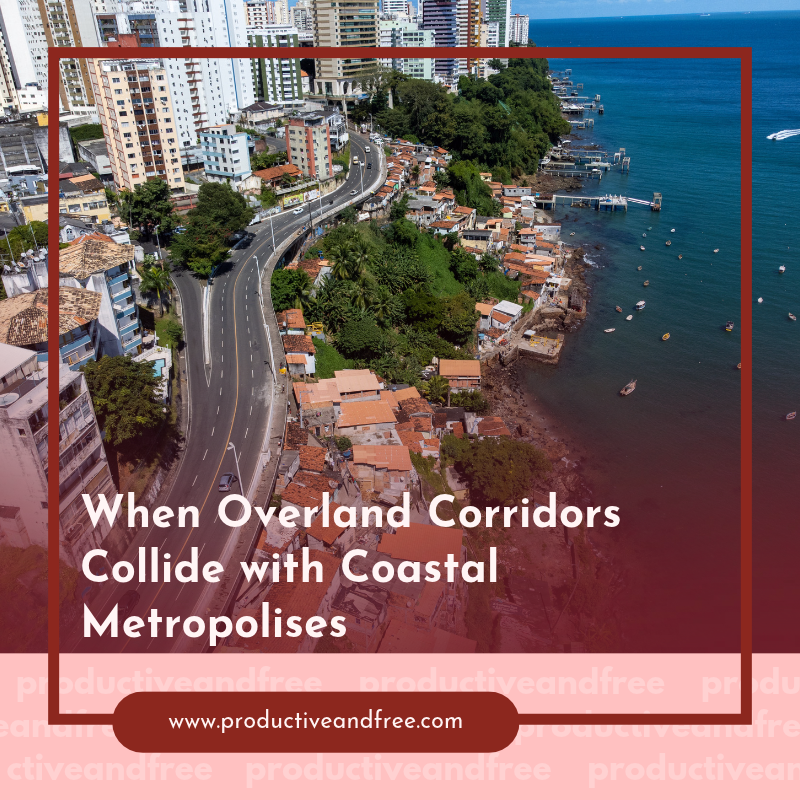
Long-distance overland routes rarely end at a city boundary. Rail terminals, motorways and coach stations feed travellers into coastal metropolises where waterways, dense street grids and busy transport systems change the pace of travel. The final stage may cover only a few kilometres, yet it often demands more preparation than an entire day in transit. Understanding that transition helps you plan realistic connections, choose practical stopping points and explore the city on foot without carrying everything you brought across the continent.
The Friction of Changing Terrains
Overland corridors favour steady movement. Trains follow fixed lines and intercity coaches use major roads, but coastal cities introduce bridges, tunnels, ferry routes and neighbourhood streets into the equation. A destination that appears close on a map may sit across a river or beyond a transport interchange with several levels.
Weather adds another variable. Coastal wind, heavy rain and tidal flooding can slow pedestrians and disrupt local services. Research into coastal city resilience shows why transport planning must account for rising seas and extreme weather. Before arriving, check walking gradients, lift access and service alerts, then allow 20 to 30 minutes beyond the shortest estimated connection.
Where Continental Corridors Meet the Sea
Major coastal hubs often develop where inland transport meets docks, rivers or natural harbours. New York is a clear example: long-distance rail and coach services reach Manhattan, while many visitors continue across the East River to Brooklyn by subway, ferry or on foot. Similar patterns appear in Istanbul, Lisbon and Sydney.
This handover becomes easier when you decide which belongings need to accompany you. Travellers facing several hours before check-in can use suitcase storage Brooklyn NYC to find bookable local storage options and continue their day with a smaller bag. Keep medication, travel documents, water and a portable charger with you. Removing a wheeled case from the equation makes stairs, crowded platforms and cobbled streets far more manageable.
Establishing Staging Points for Foot Travel
A staging point is a practical place to pause between regional transport and the final walk. It might be a railway concourse, public library, café district or storage location near a station. Choose somewhere with toilets, seating and more than one onward route, especially if you’re arriving early or travelling during poor weather.
Use the stop to reorganise before setting out. Download an offline map, refill your water bottle and confirm the entrance to your accommodation, since its postal address may lead to a service door or the wrong side of a large block. If several people are travelling together, agree on a meeting point in case mobile coverage drops. Ten organised minutes at a staging point can prevent an hour of backtracking through unfamiliar streets.
Mapping the Final Kilometre on Foot
Digital directions often prioritise distance, though the shortest route may include steep steps, exposed waterfront paths or crossings with long waits. Inspect the route closely and divide it into visible landmarks such as a station exit, public square and final street corner. This makes progress easier to track when tall buildings affect location accuracy.
Local environmental conditions deserve attention too. Information about coastal threats explains how flooding, pollution and human activity affect waterfront areas, including paths and access points. Check municipal alerts when your route follows a shoreline or passes beneath low bridges.
Once you arrive, save the exact entrance as a map pin. Coastal metropolises can turn a final kilometre into a complicated transfer, but a carefully chosen exit and a light bag keep that last stretch comfortably on foot.
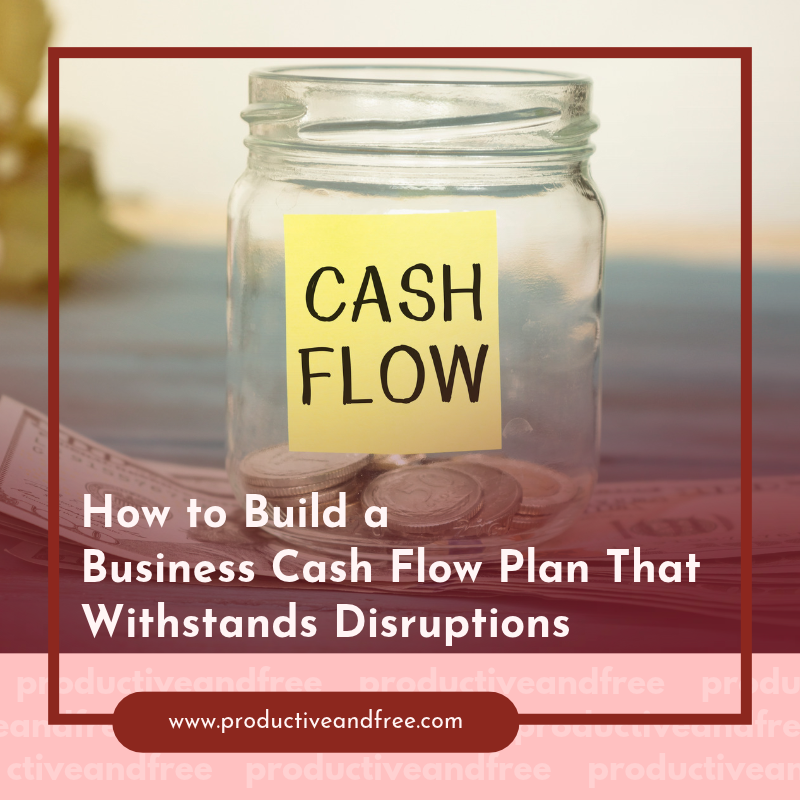
Protect your business from cash flow shocks with a plan built for uncertainty. Learn how to forecast, prioritize expenses, and stay financially prepared.
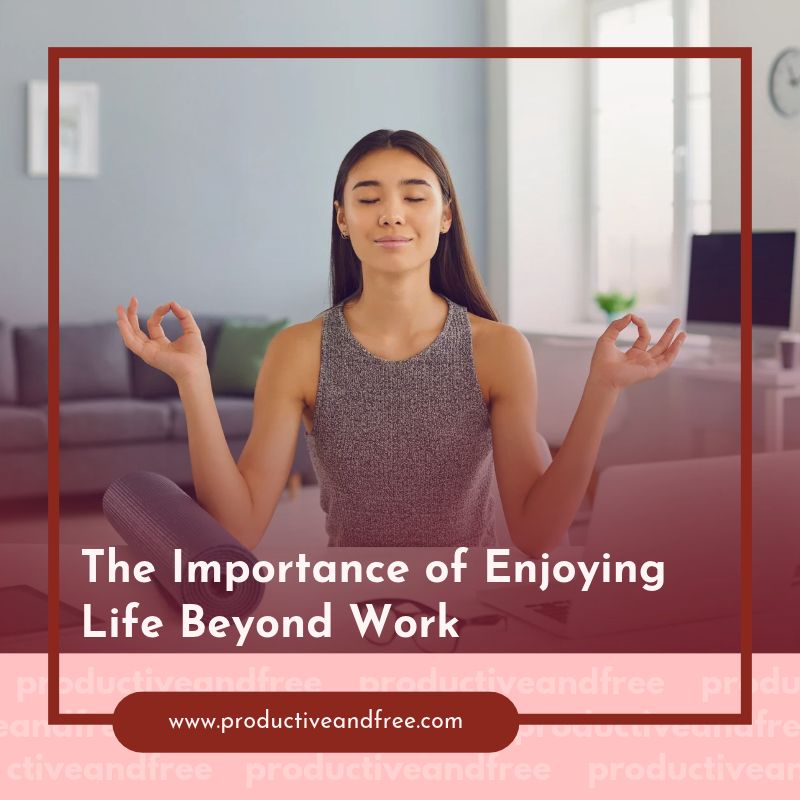
Work is only one part of a fulfilling life. Find inspiration to prioritize your well-being, nurture relationships, and enjoy more of what matters beyond the job.

Learn proven ways online retailers turn one-time shoppers into repeat customers with subscriptions, loyalty programs, and convenient product replenishment.

Growing teams need smarter compliance. See how online induction software simplifies employee onboarding, delivers consistent training, and helps your business scale confidently.
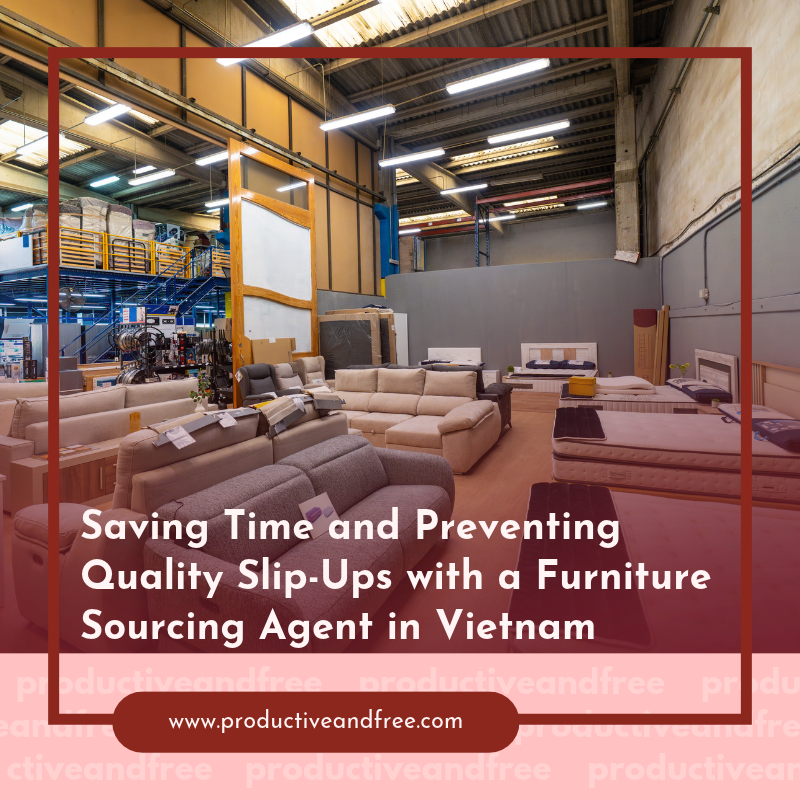
Save time and prevent costly quality slip-ups with a furniture sourcing agent in Vietnam. Get expert support from supplier selection to final inspection.
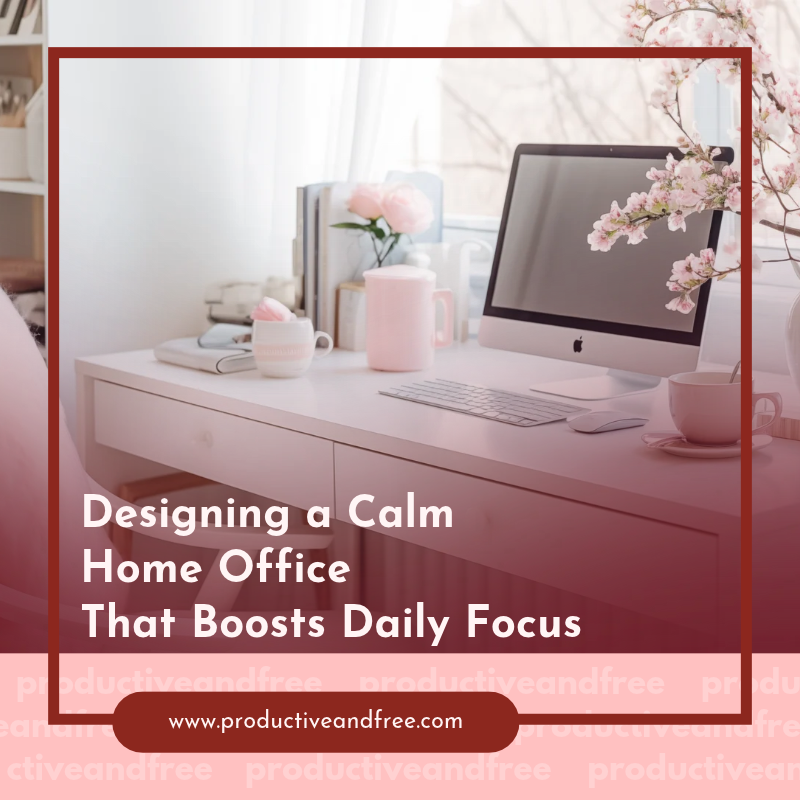
Create a calm home office that supports daily focus with practical design tips for a more organized, comfortable, and productive workspace.

Lasting injuries can affect your health, work, and finances. Find out how to protect your rights, preserve evidence, and pursue fair compensation after an accident.

Protect the income you’ve worked to build. Explore how smart entrepreneurs diversify, manage risk, and keep passive revenue streams resilient over time.

Find out how project managers identify hidden site delays, streamline workflows, and keep construction work progressing efficiently.
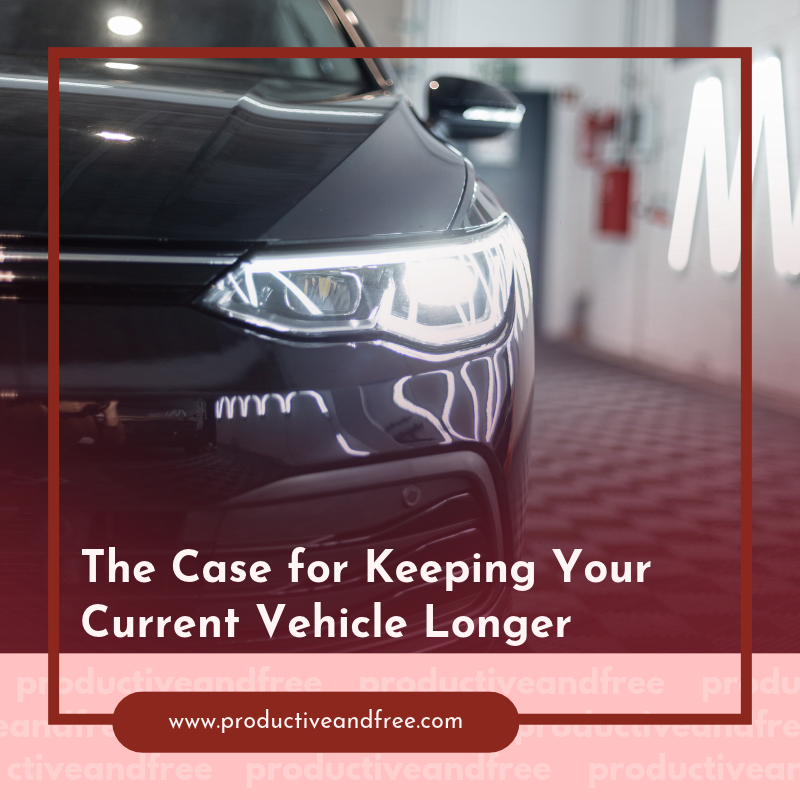
Learn when it makes sense to keep your current vehicle longer. Weigh the costs, benefits, and practical factors before deciding whether it’s time to upgrade.
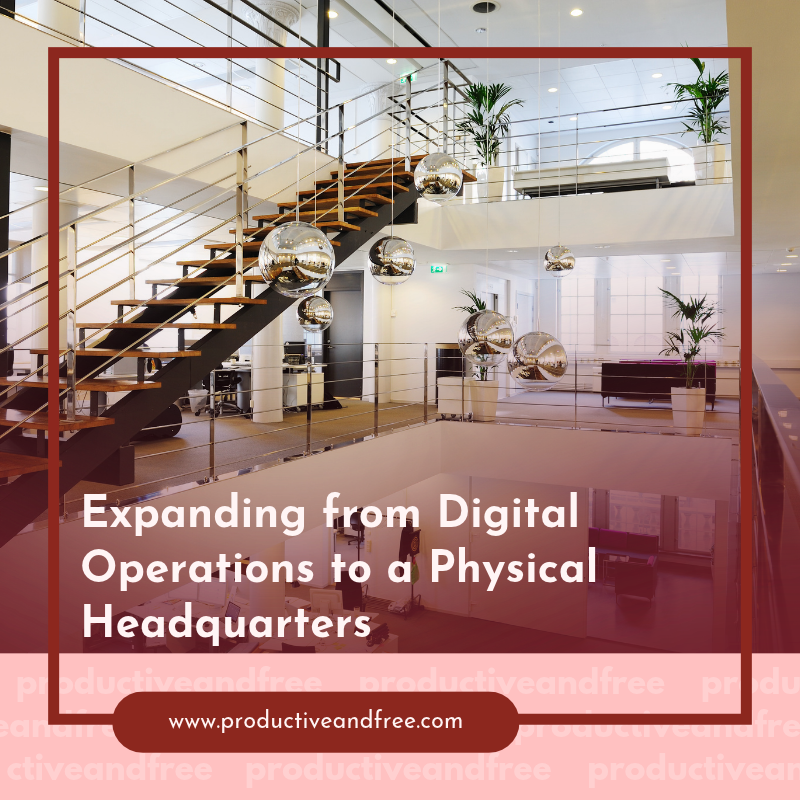
Explore what happens when your digital shop adds physical products, from new revenue streams to fulfillment challenges and customer growth.
Explore what happens when your digital shop adds physical products, from new revenue streams to fulfillment challenges and customer growth.
Build a more passive online retail business with smarter systems for orders, inventory, customer service, and everyday operations.

Build passive income designed to endure. Compare proven approaches, avoid common pitfalls, and learn how to grow more dependable revenue over time.
Is your space ready for rising online demand? Learn how the right physical upgrades can streamline operations and support sustainable business growth.

Make every Canva design easier to share with clean, polished links. See why link quality matters as much as a beautiful template.
See the operational blind spots that can slow fast-growing product brands, from inventory and fulfillment to team workflows—and what to improve first.

See the operational blind spots that can slow fast-growing product brands, from inventory and fulfillment to team workflows—and what to improve first.

Explore why focused digital products can beat broad templates, from meeting precise customer needs to building trust and driving more relevant sales.
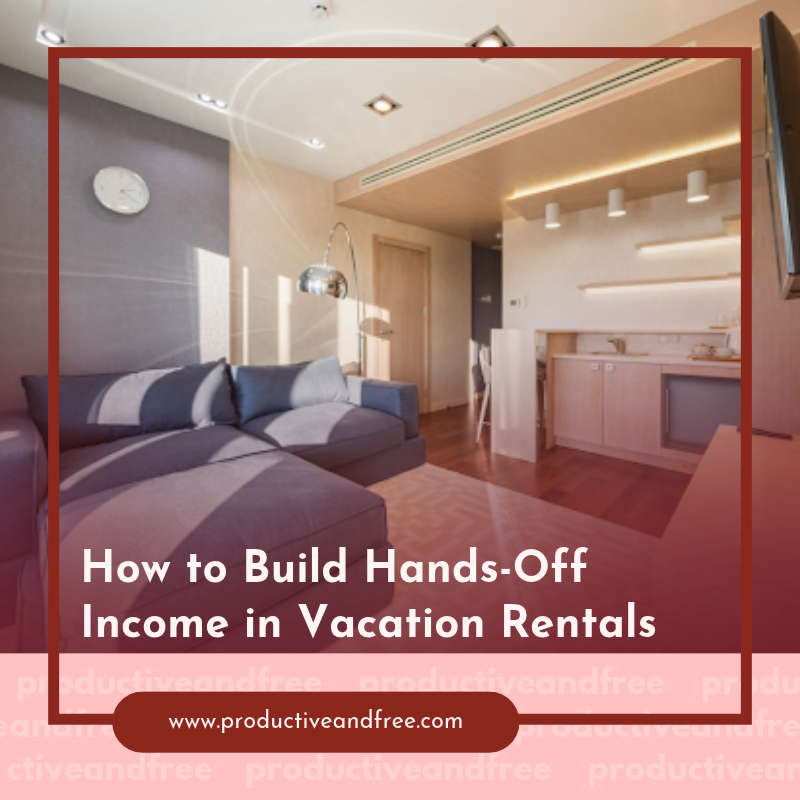
Build a vacation rental business that works with less day-to-day effort. Learn proven ways to streamline operations and create lasting rental income.

Digital product creators can streamline their business with better physical systems. Discover practical ways to organize tools, workflows, and daily operations.

Ready to stop hustling and start leading? Explore how solopreneurs can adopt CEO thinking, reclaim their time, and grow with purpose.

Explore strategies to help solopreneurs break free from constant content creation, streamline their process, and publish consistently with less effort.
Struggling with hurtful feedback affecting your sales? Explore practical tips to handle criticism and improve your business performance today.
Discover how scaling teams manage tech upkeep efficiently, saving time and boosting productivity. Learn strategies to streamline your processes today!
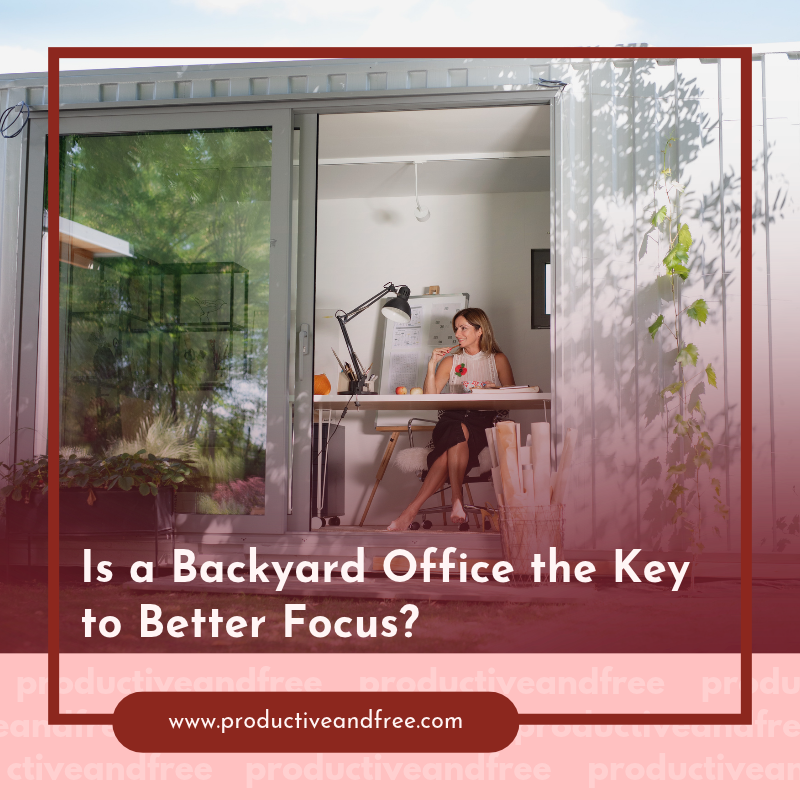
Discover how a backyard office can enhance your focus and productivity. Explore design tips and benefits for creating your ideal workspace at home.
Discover why proactive data strategies outperform reactive problem-solving. Learn how to anticipate challenges and drive success in your organization.
Redesign your workspace effortlessly! Explore practical tips to enhance your environment while keeping your productivity levels high and your focus sharp.
Explore the evolution of digital automation as it ventures outdoors. Find out how it's revolutionizing sectors like farming, construction, and transportation.
Share in the comments below: Questions go here

Discover how overland routes meet coastal cities—and what this means for trade networks, infrastructure, and the future of urban life.