
How to Build and Maintain Strong Digital Trust Online

The digital world is a very important part of building trust between you and your customers. With the online world being such a prominent place for businesses to be present on, knowing what works and what doesn’t to build that valuable trust is critical for survival.
Trust can often take years to build but just seconds to break and forever to repair. With consumers becoming increasingly skeptical of where to spend their money and who to put their trust in, building and maintaining a strong digital trust online isn’t something to ignore.
Building digital trust is one that requires a proactive strategy, mixing robust security with consistent customer proof and providing transparency in communication. Only by doing all the above do you stand a chance of establishing that trust.
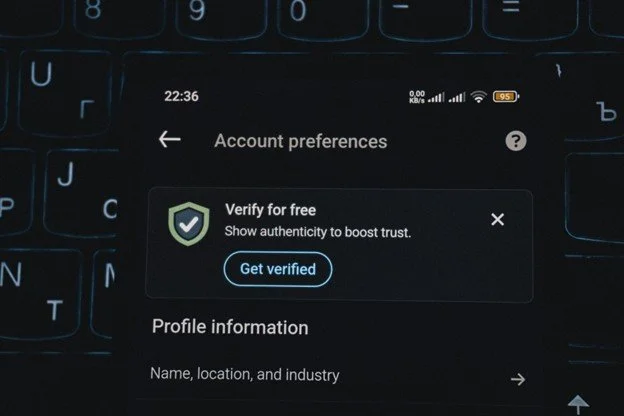
The Core Pillars of Digital Trust
There are three core pillars of digital trust that a business should be aware of when trying to build that connection between them and the user. Fracture any of these core pillars, and it may lead to that trust being less stable and therefore more challenging to repair and rebuild.
1. Data Security and Privacy
When it comes to data security and privacy, many users online are becoming more aware and more mindful of how data is being used. Protecting that user data is a non-negotiable. With that being said, you can display visible compliance markers like GDPR and CCPA.
This is an immediate trust signal for users who may be coming across your business and brand for the first time.
2. Authenticity and Transparency
Being open about business practices, pricing, and mistakes helps to provide that authenticity and window into the world of business for the customers. Those businesses and brands that are more transparent and honest in their company’s journey are more likely to build a stronger trust.
3. Reliability and Performance
From your website to the customer service support, reliability, and performance of both are really key. Ensuring a fast and error-free website is good for reducing friction in the customer’s experience.
The approach goes for your customer service, too. Providing excellence in customer support can be a great way of building and nurturing that trust.
Phase 1: Building Trust from Scratch
In order to build that trust, it needs to be established. The foundations need to be set first in order for that trust to be nurtured.
Secure the Technical Foundation First
Implementing HTTPS/SSL certificates is something to do immediately. It’s a trust signal that many users are now familiar with and will often look to see if the site holds such certificates before moving any further into the site.
You’ll also find it helpful to use recognizable and secure payment gateways like Stripe and PayPal. Again, these are trusted platforms that many people are aware of and use actively.
Design for Transparency
It’s good to design for transparency, and that starts with the boring bits like the terms of service and privacy policies. It’s good to create clear and jargon-free content so that it’s inclusive for everyone.
Eliminating hidden fees at checkout helps to avoid high cart abandonment. This happens a lot when it comes to shopping online, whether it’s for physical products or digital services.
Leverage Social Proof
Leveraging social proof is really important when it comes to building that trust between you and customers. Many new users to the business and brand will trust verified customer reviews from third-party sites like Google and Trustpilot.

You could also look at showcasing case studies, client logos, and industry certifications to help strengthen that bond.
Phase 2: Maintaining Trust Over Time
As many knowledgeable and skilled professionals like Digital Trust, Chad Angle will stress, maintaining trust over time is highly important to sustaining it.
Practice Radical Transparency in Communication
Radical transparency is good to have when it comes to communication. For example, owning up to your mistakes quickly helps to establish that trust. From service outages to product delays, honesty can really help nurture those relationships.
Communicating proactively before the customer discovers the issues themselves shows that the business is keen to keep up appearances, ensuring problems are sorted without customers needing to worry.
Regular Security Audits and Updates
Regular security audits and updates are great to help keep your business a trusted one with customers.
Keeping software, plugins, and firewalls updated, it ensures no vulnerabilities are present. It keeps your customers protected, and that can go far for nurturing lifelong trust.
Training your staff to spot phishing attempts and data leaks is also a great way to reinforce security from within.
Respect User Privacy Preference
It’s always good to make it easier for a user to opt out of something, rather than to make it somewhat impossible.
Making it easy for users to opt out of tracking or email marketing and never sell any user data to third parties, as that can easily lose the trust of your customers. Not respecting user privacy preferences is a very easy way of losing customers, not just their trust, but their financial commitment to you, too.
Recovering Broken Digital Trust
When you’ve broken digital trust with your customers, you must be doing everything to repair it as quickly as possible.
Breaches and errors will happen to even the best brands. A recovery framework is important to establish.
● Acknowledge - Swiftly admitting the issue without making excuses is the best approach to take when trust has been broken. Regardless of what the issue is that caused it.
● Action - You will want to explain exactly how you’re fixing the immediate problem so customers are kept in the loop.
● Prevent - Preventive steps will ensure it never happens again.
It’s hard for broken digital trust to be recovered and repaired. However, if you’re being proactive with your efforts immediately, then you’re more likely to regain that trust sooner rather than later.
Digital trust is not just a one-time project. It’s an ongoing business asset that’s needed to maintain relationships between businesses and their customers.





























Share in the comments below: Questions go here

Is your marketing data at risk? Delve into the silent threats that could undermine your efforts and find out how to protect your critical information.