
What Makes For A Good Lab Business Workflow
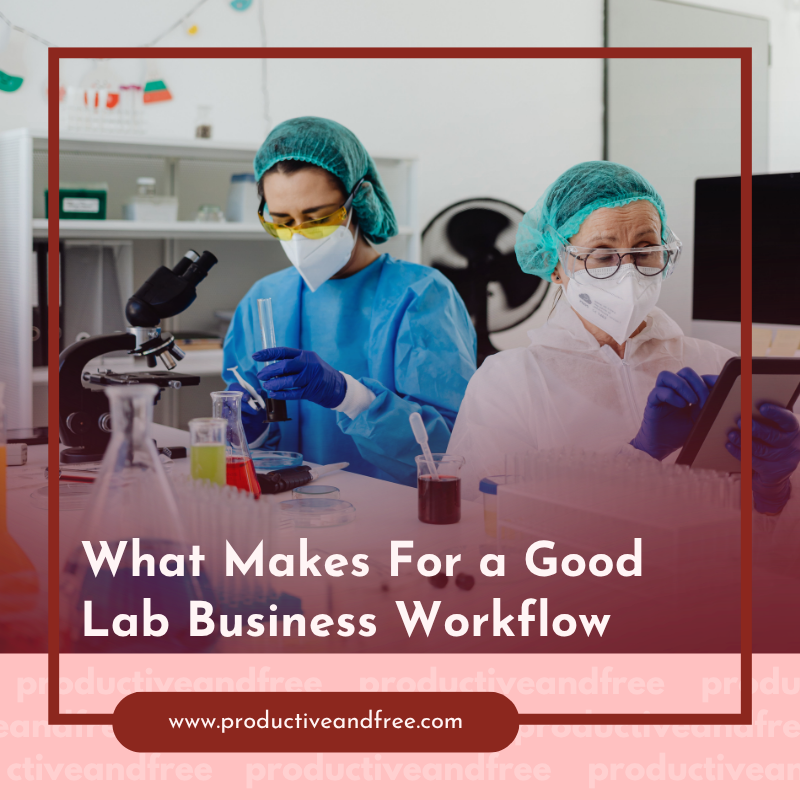
Laboratory, testing, and research businesses, whether for scientific improvement or supporting healthcare businesses, rely on their ability to complete tests quickly and to ensure that speed doesn’t come at the cost of reliability. As such, perfecting the workflow is a major concern for anyone in the sector. Here, we’re going to look at how those workflows are created from top to bottom to ensure consistency, speed, and dependable results.
Clear Procedure
Having a clear, repeatable procedure is the bedrock of any good lab workflow. Every recurring task should have a clearly defined process, and the more that you repeat a specific task or action, the more you should consider systematising it. Not only does this ensure consistency and repeatability on the floor, but it also makes it a lot easier to train new staff in those same processes.

Quality Supplies
Your lab results are only as good as the materials that are used to reach them. Having quality reagents, such as master mixture, consumables, and other supplies, is vital for maintaining consistent results. If you have to switch to different or cheaper materials, it can increase the risk of repeat work as well as the costs of avoidable waste. Quality material purchasing decisions help prevent failed runs, delayed projects, and wasted staff time. Take the time to thoroughly research any suppliers you opt to work with.
Reliable Equipment
Just as important as your materials, reliable equipment is vital for maintaining the accuracy and efficiency of all testing. When instruments are poorly maintained, frequently unavailable or difficult to use, it can slow work across the board, leading to frustration and bottlenecks. Aside from choosing the right equipment for the job after careful assessment of the market, you should ensure that scheduled maintenance, calibration, cleaning, and performance checks keep them at the top of their game.
Proper Staff Training
Even the best processes, equipment, and materials aren’t going to make a lot of difference if you don’t have a staff that is confident in working with them. Staff training ensures that team members understand not only what to do, but why each step matters. This improves consistency, reduces errors and helps staff make better decisions when something unexpected happens. Regular refresher training is just as important as teaching them how to handle new processes or equipment, too.
Consistent Reporting Systems
Even if you’re putting the effort, time, and money into good workflows across the board, you have to make sure that results are communicated just as clearly and consistently. Good reporting systems should help you record findings accurately, be reviewed quickly by colleagues, and be delivered to clients or partners in a way that they’re able to understand. Inconsistent reporting can lead to confusion, delays, and follow-up questions that can slow your team down from the work they should be doing.
Reducing errors, improving turnaround time, and giving your staff the confidence they deserve in your work is key to a successful lab business, especially where real human health is on the line. Hopefully, the tips above help you make it easier to manage.

Explore the hidden costs of manual processes in insurance claims. Find out how optimizing workflows can significantly improve productivity and profitability.

Learn the vital role of strong documentation in boosting business security. Explore how it safeguards data, streamlines processes, and mitigates risks effectively.

Transform your sales approach with expert tips on outbound sales. Propel your growing business to new heights with actionable insights and strategies.

Uncover the benefits of workplace safety investments. Explore how prioritizing safety can improve employee morale and drive financial returns for your business.

Discover effective strategies for making informed decisions as your business expands. Learn to navigate growth challenges with confidence and clarity.
Enhance your business efficiency by streamlining operations with innovative cloud-based tools designed for seamless collaboration and productivity.
Ready to elevate your small business? Learn simple AI steps you can start using today to enhance productivity and drive growth effortlessly!
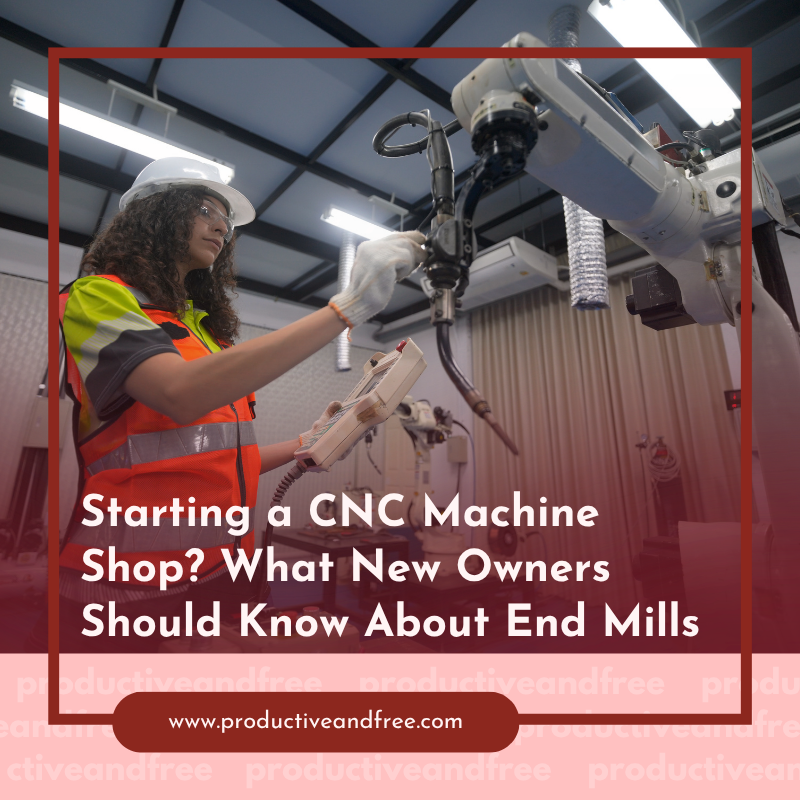
Discover essential tips for new CNC machine shop owners about end mills. Learn how to choose the right tools for precision and efficiency in your projects.

Unlock the secrets to sustainable success with The Green Business Blueprint. Learn to incorporate eco-friendly practices into your daily operations today!

Unlock the potential of your kitchen! Learn how investing in the right equipment can elevate your business efficiency and improve overall performance.

Learn why integrating a smooth online store is crucial for boosting your email list growth. Transform your business strategy and engage customers like never before!
Discover how local sports and fitness hubs can foster a culture of emergency readiness, ensuring safety and preparedness for all participants.

Learn how to overcome operational challenges with cutting-edge smart hardware solutions that promote industrial continuity and streamline processes.

Unlock the secrets to building a reliable online payment system for high-risk merchants. Enhance security and streamline transactions effortlessly!
Ready to reclaim your time? Learn how to automate your business effectively and focus on what truly matters. Start your journey to efficiency today!

Uncover the hidden signs of ant infestations that pest control professionals notice. Equip yourself with knowledge to keep your home ant-free!
Is your service business struggling with call response time? Explore essential insights and strategies to improve efficiency and delight your customers!

Uncover the secrets to hosting a corporate event that stands out. Engage your audience and ensure your event is remembered long after it concludes.

Ensure your sports field project is in good hands! Discover the 7 essential questions to ask before hiring a contractor for a successful build.

Transform your service business with automation! Learn effective strategies to enhance productivity and free up time for growth and innovation.
Discover how to boost productivity in your service business by automating key processes. Streamline operations and focus on what truly matters!
Learn to master team work hours and boost productivity. Transform your team's efficiency and collaboration for outstanding results!
Transform your life with essential software tools designed for intentional lifestyle planning. Invest in your well-being and embrace a healthier, happier you!

Struggling to keep up? Learn the 7 signs that signal when it's time for entrepreneurs to bring in a virtual assistant and lighten the workload.

Discover the essential steps to launch your career in manufacturing engineering, from education requirements to gaining practical experience in the field.

Protect your business with top security tools! Explore our guide to the best solutions for safeguarding your data and ensuring peace of mind.

Success in business requires more than just capital. Dive into the vital elements that foster growth and resilience in your entrepreneurial journey.

Discover how to plan a landscaping project that maximizes your ROI. Learn expert tips and strategies to enhance your outdoor space and increase property value.

Equip your small construction project for success! Explore our guide on selecting the best tools and machinery to ensure smooth and efficient operations.
Share in the comments below: Questions go here
 Productive and Free
STRATEGIC TIME-SAVING TEMPLATES TO HELP YOU GROW YOUR DREAM BUSINESS
Is your marketing data at risk? Delve into the silent threats that could undermine your efforts and find out how to protect your critical information.