
7 Key Tips to Be a Lifelong Learner Without the Stress
While everyone has their own values and priorities, one of the more common is to be a lifelong learner. Countless people do this in various ways, whether it’s taking work-related courses or simply learning something new in retirement.
It helps to keep your brain active and engaged, and can even help prevent or delay Alzheimer’s and similar conditions.
As appealing as it can be, though, quite a few people don’t know how they can work this into their life as much as they’d want. Thankfully, this doesn’t need to be nearly as complicated as you’d think. Seven tips could end up helping with it quite a bit.
1. Be Willing to Fail
Most people assume that all of their learning has to be in class, through an online platform, or in more traditional settings. But, that usually isn’t the case. Life has a habit of trying to teach lessons as time goes on, and it’s always worth being on the lookout for these. But, that doesn’t mean all of them come easy.
Some of life’s best lessons come through failure, but most people aren’t willing to risk failing at anything. While you shouldn’t do anything too risky, small failures can often be learning experiences whenever they pop up.
2. Use the Right Resources
You’ll need tools and resources to help you learn anything, though exactly which ones you go for could depend on what you’re actually learning. This could mean looking into different tools, figuring out how to bypass ProctorU and similar platforms, and even signing up for a few newsletter, but that doesn’t have to be a bad thing.
While that means putting a bit of work into it upfront, it’ll pay off quite a bit long-term. It’s just a matter of making sure they’re the right tools for your needs. That could mean comparing your options first, especially if you’ve to pay for them, but that should make sure it’ll actually help you learn.
Once you have the right tools at your disposal, learning anything should be a lot more straightforward.
3. Learn from Those Around You
People spend so much time around their friends and family, they can often overlook just how smart they are in different ways. This is especially true of older relatives, who would’ve gone through quite a few life lessons as time goes on. Paying attention to them could help you learn the same lessons without needing to go through negative experiences.
It’s just a matter of actually taking the time to listen to them and learn. Since they’re family members, however, there’s no reason why you wouldn’t want to spend a little extra time listening to them.
4. Focus on the Process, Not the Outcome
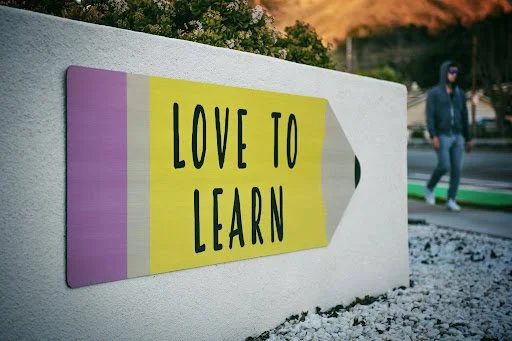
Learning is always a process, even if there’s a bit of a predetermined outcome to it. You’re there to learn something, after all. But, that doesn’t mean just focusing on what you’re supposed to learn. It’s always worth paying attention to the overall process, as this could end up helping you learn a whole lot more than you would’ve thought.
This could be especially appealing when you don’t exactly have a finished goal in mind. It’ll help you fall back in love with learning, which is part of the point of being a lifelong learner in the first place. It’s just a matter of making sure your process, and overall learning experience, actually works for you.
This could take a little time, especially if you’re making tweaks and improvements to your learning process, but it’ll be more than worth it.
5. Play to Your Strengths
Countless people think that being a lifelong learner means they should try to learn about anything and everything. This could lead to a bit of frustration, as you could find topics or areas that just don’t make sense or aren’t exactly that understandable. These can vary from person to person, and that isn’t a bad thing.
But, you’re much better off playing to your strengths with this. This avoids a lot of frustration and confusion, and lets you focus on areas you’re actually interested in. That could even help you learn them faster.
6. Don’t Be Afraid to Ask Questions
Being a lifelong learner means being open to new information as much as you can. This doesn’t just mean sitting passively in a classroom, reading notes, or listening to someone else speak, though. Instead, it’s always worth taking as proactive an approach as possible to your learning as you can.
One of the better ways to do this is to ask questions whenever you need to. While it’s natural to be a little nervous with this, especially in a classroom in front of other people, it’ll help you learn more and more as time goes on. And, it could be a vital part of learning the information you want or need to know.
There’s nothing to be embarrassed about here. Everyone else has questions, too, after all, so you might as well as them when you need to.
7. Actually Make the Time for It
Countless people want to be lifelong learners, but life tends to get in the way. You’ll have more than a few responsibilities, ranging from work to raising a family. It’s easy to see why you could feel like you don’t have the time for it. That doesn’t have to be the case, though. It’s just a matter of making the time for it.
You don’t even need to set aside several hours at a time for it. Taking even as little as 15 minutes a day could be more than enough to help with this. There’s no reason why it shouldn’t help with your lifelong learning.
You’ll have every reason to be a lifelong learner, as it’ll offer countless benefits as time goes on. While working this into your lifestyle could feel complicated, it doesn’t have to be nearly as much of an issue as you could’ve thought. With the right tips, it’ll be a lot more straightforward than that.























Share in the comments below: Questions go here

Discover the top 5 signs that your hiring process may be driving away talented candidates. Improve your recruitment strategy and attract the best talent today!