
Boost Business Efficiency Through Smart Equipment Choices
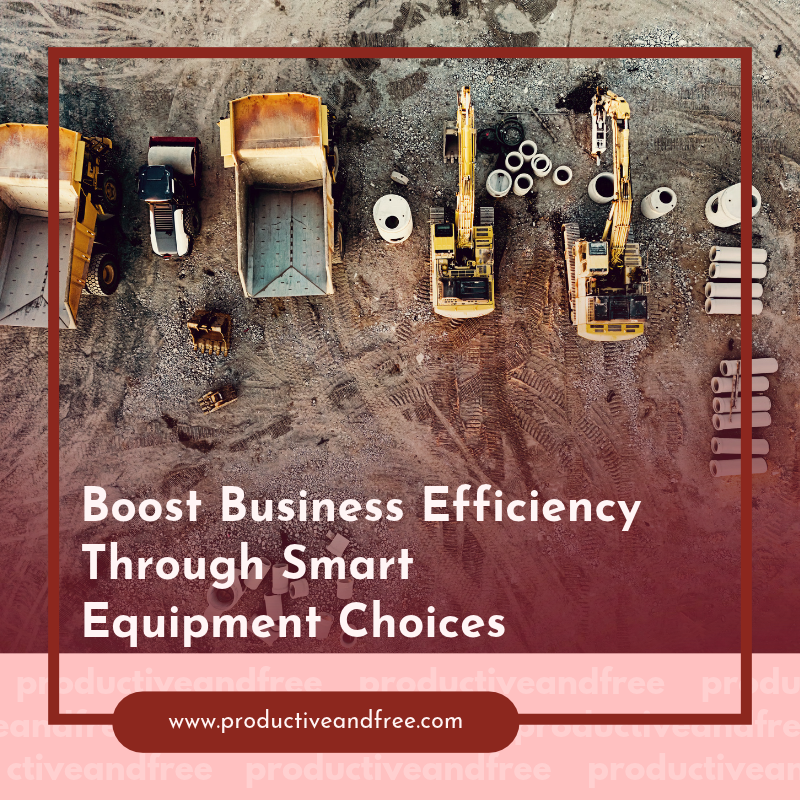
In any business, the tools and equipment you use are crucial for success. Choosing equipment wisely isn't just about having the newest technology; it's about finding the right tool for the job in the most cost-effective way. A solid equipment strategy can really boost productivity, shorten project timelines, and improve your bottom line. This means carefully looking at your options, making smart decisions, and truly understanding what your operations need.
Evaluating Your Project's Needs
Before you can pick the right equipment, you need a full grasp of what the project demands. Start by breaking the job down into individual tasks. For each task, figure out the specific functions you'll need. Do you have to lift materials to a certain height, dig out a precise area, or move goods across a big site? Write down the scale, how long it will take, and any unique challenges. Also, think about the environment. A cramped city worksite will have different equipment needs than a wide-open rural project. This detailed look helps you avoid overspending on machinery that's too powerful or losing time with tools that aren't up to the task.
Rent Versus Buy Decisions
One of the biggest decisions a business faces is whether to buy equipment outright or rent it as needed. Buying means a large upfront investment but gives you the benefit of having it whenever you want and owning it. This makes sense for equipment you use all the time on most projects. However, owning also brings costs for maintenance, storage, insurance, and eventually replacing it. Renting, on the other hand, offers flexibility and access to a wider range of modern equipment without the long-term financial commitment. When you're weighing rent versus buy, think about how often you'll use it, how long the project is, and how much capital your company has.
Advantages of Specialized Equipment Rental
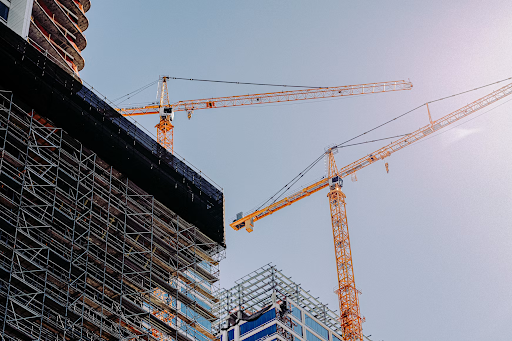
For tasks that need highly specialized or expensive machinery, renting is often the better choice. Many projects have unique, one-off requirements that don't justify buying something permanently. For example, a construction project might only need a specific type of lift for a few days to install heavy steel beams. In this situation, using a professional crane hire service is much more efficient than buying, maintaining, and storing a crane that would sit idle most of the year. Rental companies also give you access to the latest models with advanced safety features and often include trained operators, which lowers your liability and training burden. This approach ensures you have the perfect tool for the job, exactly when you need it.
Streamlining Operations with External Resources
Beyond just renting equipment, working with outside suppliers can make your whole operational workflow smoother. These partners can offer valuable expertise that helps you optimize your project from the very beginning. A good equipment supplier doesn't just drop off a machine; they can help with logistics, site planning, and choosing the most efficient tools for what you're doing. This collaborative approach is a key part of smart equipment planning and can significantly improve project timelines and how well you stick to your budget. Treating suppliers as partners helps you tap into a wealth of industry knowledge that benefits your business.
Measuring ROI on Equipment Investments
Whether you rent or buy, it's crucial to measure the return on investment (ROI) for your equipment choices. This goes beyond just the initial price. To figure out the true ROI, track key performance indicators related to how the equipment is used. These could include:
Project Completion Speed: Did the equipment help you finish the job faster than expected?
Labor Costs: Did the machine cut down on the number of labor hours needed for a task?
Fuel and Maintenance Costs: What were the ongoing expenses to run it?
Downtime: How much time was lost because the equipment broke down or wasn't available?
By consistently tracking these numbers, you can get a clear picture of which equipment strategies are providing the most value. This data-driven approach will help you refine your decision-making for future projects, making sure every equipment choice actively contributes to your company's efficiency and profitability.
Seeing equipment acquisition as a strategic business function, rather than just a simple purchase, can unlock new levels of productivity. By carefully looking at what you need and exploring all your options, you can make sure your team is always well-equipped for success, especially when streamlining storage and shipping to meet your needs.








Share in the comments below: Questions go here
Discover the top 5 signs that your hiring process may be driving away talented candidates. Improve your recruitment strategy and attract the best talent today!