
5 Tips for Finding Great Suppliers

Behind every successful business is a network of reliable suppliers. It doesn't matter whether you're manufacturing products or running a retail store, the companies that supply your goods and resources play a huge role in your success. Great suppliers can help your business to operate smoothly, but poor suppliers create frustration and delays. If you're looking to strengthen your current supply chain, here are 5 simple tips to help you find suppliers that you can rely on.

Know exactly what you need. Before you begin your supplier search, spend some time defining your requirements. This will help you to identify suppliers that are genuinely suited to your business. Think about the quality standards, delivery timelines, pricing, order volumes and any specific materials and parts you require. The clearer your expectations are, the easier it will be to compare potential suppliers and avoid misunderstandings.
Look beyond the lowest price. It's always tempting to choose a supplier with the cheapest quote, but price is only one part of that equation. A supplier that offers slightly higher pricing can provide better reliability and stronger customer service. They may even offer higher quality products. In the long run, these are the factors that can save you money by reducing errors and delays. It's an investment rather than a simple cost saving exercise.
Research the reputations. You should never enter into any agreements without taking the time to learn about a track record of any supplier. Read the online reviews and request references from previous clients. Industry forums, professional networks and trade associations can also provide you with useful insight. If multiple businesses are reporting the same issues, it's always worth paying attention to that.
Test out the relationship first. When you can, start small before you commit to a larger order or a long term agreement. A trial order allows you to evaluate product quality, delivery, performance, responsiveness, and overall professionalism. It's always going to be much easier to address concerns during a small test project than after signing a major contract. This gives you a chance for both of you to understand the opportunity that comes with working together.
Focus on how you communicate. Even the best of suppliers will occasionally find some business challenges because they themselves are a business. The difference comes down to how they communicate when those issues arise. Good communication builds trust and helps to prevent the small problems becoming those major disruptions to your business too. Pay attention to how quickly they respond to any enquiries and how clearly they answer your questions. You also want a supplier that's transparent about timelines and expectations without any fluff.
It does take time to find the right supplier, but the effort is also worth it. Reliable suppliers help your business to operate more efficiently. The best supplier relationship to become long term partnerships that help both businesses to succeed. When you find the right fit, everyone benefits and hangs onto it tight.
Explore the benefits of operational checklists for service businesses. Increase productivity, reduce errors, and ensure top-notch service delivery with ease!

Maximize your Canva lead magnets to generate daily traffic. Explore effective techniques to attract more visitors and enhance your online presence!

Start your journey in electronics manufacturing with our essential guide for new entrepreneurs. Gain insights to launch and grow your business effectively.

Unlock the potential of local news for your business growth. Explore effective ways to engage with your community and boost your brand's presence!

Ready to launch your dream business? Explore essential tips for finding the perfect opportunity that fuels your entrepreneurial ambitions.

Elevate your business with a strategic corporate event plan. Explore the benefits of effective planning for brand growth and impactful networking opportunities.

Turn your property into a powerful income-generating asset. Explore strategies to unlock its potential for passive income and secure your financial future!

Maximize productivity by streamlining your field operations. Explore effective solutions that drive efficiency and elevate your team's performance!
Learn how managers can help employees prioritize tasks with clear goals, deadlines, communication, planning, technology and workload reviews.

Discover how small businesses can leverage AI technology to streamline website launches, enhancing efficiency and reducing time to market.
Learn how data-driven insights can empower small business owners to make informed decisions and boost their success. Start transforming your strategy now!

Explore the hidden effects of your business environment on success. Learn how to leverage these insights for strategic growth and improved performance.
Enhance your business efficiency by avoiding costly interruptions. Explore effective strategies to streamline operations and drive success!

Discover the top 5 signs that your hiring process may be driving away talented candidates. Improve your recruitment strategy and attract the best talent today!
Transform your e-commerce operations with powerful tools that boost efficiency and streamline your business processes for optimal performance.

Unlock the secrets to financial resilience for business owners. Equip yourself with practical tips to strengthen your financial foundation and ensure stability.

Ensure your business runs smoothly with our expert strategies to maximize uptime and eliminate delays. Discover how to enhance efficiency today!

Is your marketing data at risk? Delve into the silent threats that could undermine your efforts and find out how to protect your critical information.

Explore the hidden costs of manual processes in insurance claims. Find out how optimizing workflows can significantly improve productivity and profitability.

Learn the vital role of strong documentation in boosting business security. Explore how it safeguards data, streamlines processes, and mitigates risks effectively.

Transform your sales approach with expert tips on outbound sales. Propel your growing business to new heights with actionable insights and strategies.

Uncover the benefits of workplace safety investments. Explore how prioritizing safety can improve employee morale and drive financial returns for your business.

Discover effective strategies for making informed decisions as your business expands. Learn to navigate growth challenges with confidence and clarity.
Enhance your business efficiency by streamlining operations with innovative cloud-based tools designed for seamless collaboration and productivity.
Ready to elevate your small business? Learn simple AI steps you can start using today to enhance productivity and drive growth effortlessly!
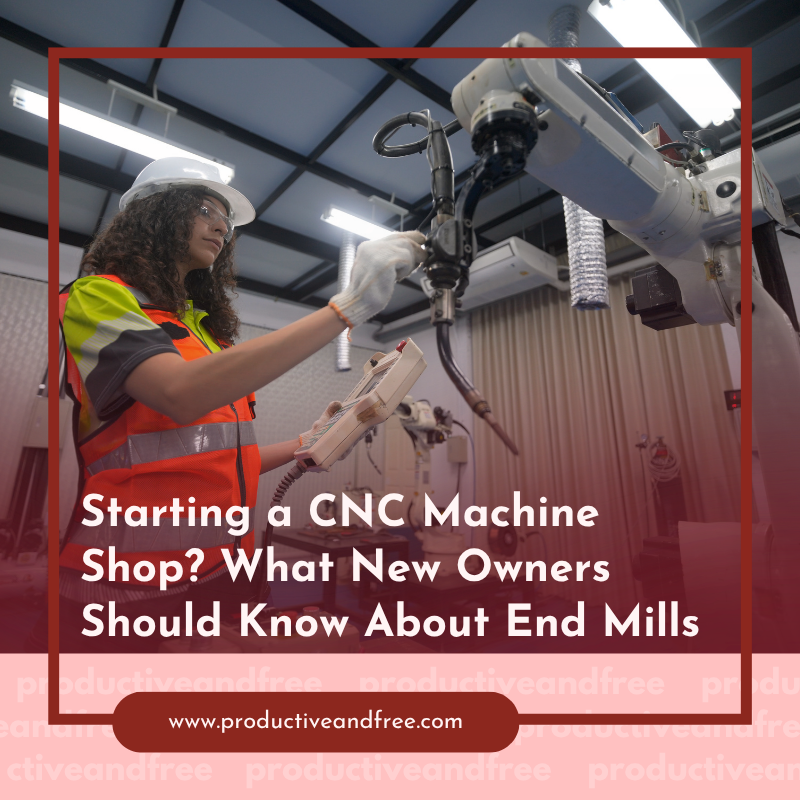
Discover essential tips for new CNC machine shop owners about end mills. Learn how to choose the right tools for precision and efficiency in your projects.

Unlock the secrets to sustainable success with The Green Business Blueprint. Learn to incorporate eco-friendly practices into your daily operations today!

Unlock the potential of your kitchen! Learn how investing in the right equipment can elevate your business efficiency and improve overall performance.

Learn why integrating a smooth online store is crucial for boosting your email list growth. Transform your business strategy and engage customers like never before!
Share in the comments below: Questions go here
 Productive and Free
STRATEGIC TIME-SAVING TEMPLATES TO HELP YOU GROW YOUR DREAM BUSINESS
Discover how traveling can enhance your understanding of customer needs and preferences. Learn valuable insights to boost your entrepreneurial success.