
Operational Problems That Cost Small Businesses Money
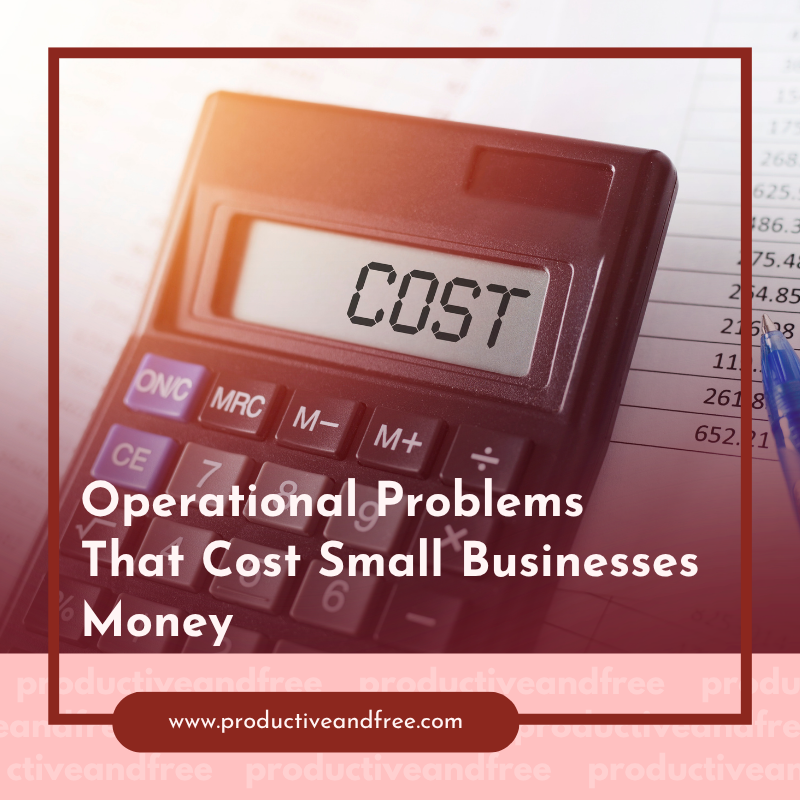
When you're running your own business, there is a huge chance that at some point your numbers aren't going to add up, and you'll realize you're spending more money on those small things rather than the big expenses. And the issue here is that those small payments you're making, the financial oversights that are not being caught, are going to be impacting your bottom line.
But there are numerous ways this could be happening, you might not even notice are causing you problems.
Unreliable Equipment
If you have equipment that is aging, poorly maintained, or running at reduced capacity, this is costing you money. It's creating friction in everyday operations that people are adapting to rather than fixing. It might be a printer that jams several times a day or a refrigerator that doesn't hold temperature consistently. It doesn't matter what it is; if it's not working properly, it's costing you more money than you might imagine.
Sure, the repair or replacement might be expensive, but the cost of doing nothing and keeping it operational will likely cost you more in the long run.

Commercial HVAC Performance
If your commercial space isn't holding temperature, i.e., it’s too hot one day, too cold another day, it's impacting more than your energy bills. It directly impacts staff focus and functionality as well as the customer experience.
Beyond comfort for everyone in your premises, a system that's running below rated efficiency massively drives up energy costs that will likely increase month on month as you attempt to stabilise or put up with the issue.
A commercial hvac company can run scheduled maintenance checks to address such performance issues before they arise or cause serious concerns or become emergency failures. This keeps consumption in line, extends the lifespan of the system, and helps prevent breakdowns, which will likely occur at the worst possible time.
Auto-Renewing Vendors
These are your software subscriptions, service agreements, and supply contracts that renew automatically. And they tend to stay on the books far longer than the value they offer.
If terms have changed, pricing has been adjusted, or the needs of the business don't match what you're paying for, you need to look elsewhere and cancel anything that isn't required to operate. Doing this every few months or setting a reminder 60 days prior to renewal can help you review the contract at regular intervals and ensure you're not paying for something you don't actually need.
Unused Software Subscriptions
The average small to medium-sized business will have around 15 subscriptions. Larger companies expect this figure to rise to around 275 on average, according to data in 2024.
If you're paying a hefty sum for each of these and you're not using them fully or at all, then you're simply throwing away good money.
The thing is, not all businesses remain static in their operations, and over time, they need to change. This could mean the scope of what software can offer changes, and it flies under the radar, and you don't notice you're not quite getting the same amount of value from your subscriptions. You need to make sure you go through all of your subscriptions, as in the above point, to make sure you're not keeping anything that doesn't serve the business.
Learn how managers can help employees prioritize tasks with clear goals, deadlines, communication, planning, technology and workload reviews.

Discover how small businesses can leverage AI technology to streamline website launches, enhancing efficiency and reducing time to market.
Learn how data-driven insights can empower small business owners to make informed decisions and boost their success. Start transforming your strategy now!
Explore the hidden effects of your business environment on success. Learn how to leverage these insights for strategic growth and improved performance.
Enhance your business efficiency by avoiding costly interruptions. Explore effective strategies to streamline operations and drive success!

Discover the top 5 signs that your hiring process may be driving away talented candidates. Improve your recruitment strategy and attract the best talent today!
Transform your e-commerce operations with powerful tools that boost efficiency and streamline your business processes for optimal performance.
Unlock the secrets to financial resilience for business owners. Equip yourself with practical tips to strengthen your financial foundation and ensure stability.
Ensure your business runs smoothly with our expert strategies to maximize uptime and eliminate delays. Discover how to enhance efficiency today!

Is your marketing data at risk? Delve into the silent threats that could undermine your efforts and find out how to protect your critical information.

Explore the hidden costs of manual processes in insurance claims. Find out how optimizing workflows can significantly improve productivity and profitability.
Learn the vital role of strong documentation in boosting business security. Explore how it safeguards data, streamlines processes, and mitigates risks effectively.

Transform your sales approach with expert tips on outbound sales. Propel your growing business to new heights with actionable insights and strategies.

Uncover the benefits of workplace safety investments. Explore how prioritizing safety can improve employee morale and drive financial returns for your business.

Discover effective strategies for making informed decisions as your business expands. Learn to navigate growth challenges with confidence and clarity.
Enhance your business efficiency by streamlining operations with innovative cloud-based tools designed for seamless collaboration and productivity.
Ready to elevate your small business? Learn simple AI steps you can start using today to enhance productivity and drive growth effortlessly!
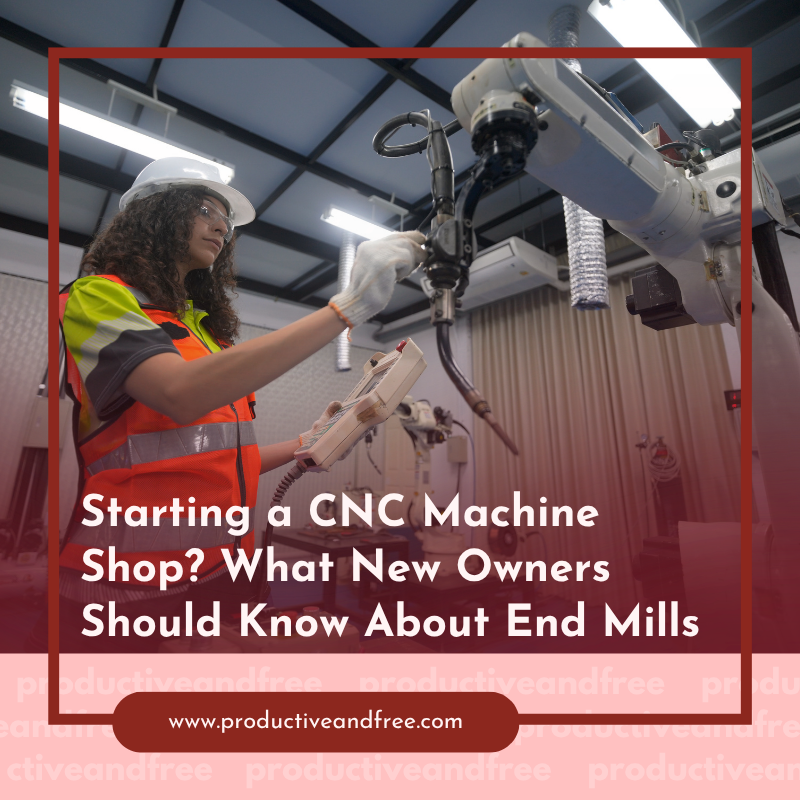
Discover essential tips for new CNC machine shop owners about end mills. Learn how to choose the right tools for precision and efficiency in your projects.
Unlock the secrets to sustainable success with The Green Business Blueprint. Learn to incorporate eco-friendly practices into your daily operations today!
Unlock the potential of your kitchen! Learn how investing in the right equipment can elevate your business efficiency and improve overall performance.
Learn why integrating a smooth online store is crucial for boosting your email list growth. Transform your business strategy and engage customers like never before!
Discover how local sports and fitness hubs can foster a culture of emergency readiness, ensuring safety and preparedness for all participants.

Learn how to overcome operational challenges with cutting-edge smart hardware solutions that promote industrial continuity and streamline processes.

Unlock the secrets to building a reliable online payment system for high-risk merchants. Enhance security and streamline transactions effortlessly!
Ready to reclaim your time? Learn how to automate your business effectively and focus on what truly matters. Start your journey to efficiency today!

Uncover the hidden signs of ant infestations that pest control professionals notice. Equip yourself with knowledge to keep your home ant-free!
Is your service business struggling with call response time? Explore essential insights and strategies to improve efficiency and delight your customers!

Uncover the secrets to hosting a corporate event that stands out. Engage your audience and ensure your event is remembered long after it concludes.

Ensure your sports field project is in good hands! Discover the 7 essential questions to ask before hiring a contractor for a successful build.
Share in the comments below: Questions go here
 Productive and Free
STRATEGIC TIME-SAVING TEMPLATES TO HELP YOU GROW YOUR DREAM BUSINESS
Maximize productivity by streamlining your field operations. Explore effective solutions that drive efficiency and elevate your team's performance!