
How Hydraulic Cylinders Can Improve Farm Equipment Productivity and Efficiency
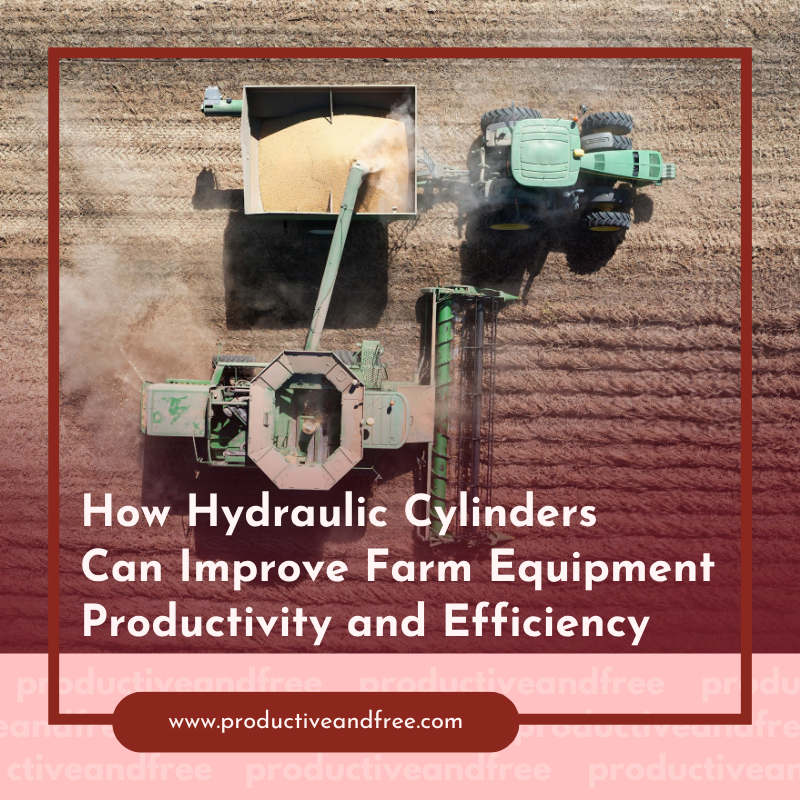
Picture a farmer standing next to a loader tractor that's been sitting idle for two days because a single worn hydraulic cylinder finally gave out, right in the middle of a tight planting window. It's one of the more frustrating breakdowns in farm operations, not because the part itself is complicated, but because so much of a farm's equipment, loaders, dump trailers, log splitters, snow plows, depends on hydraulic cylinders doing their job quietly and reliably every single day.
Understanding how these components actually affect productivity, and what it takes to keep them working properly, is exactly the kind of practical knowledge that separates a farm operation running smoothly from one constantly fighting equipment downtime.
Why Hydraulic Cylinders Matter More Than They Get Credit For
A hydraulic cylinder converts pressurized fluid into the linear force and motion that lifts loader buckets, tilts dump beds, and powers dozens of other everyday farm tasks. It's a simple mechanical concept, a piston moving inside a cylinder, but it's doing genuinely heavy lifting across nearly every piece of hydraulic equipment on a working farm.
That widespread reliance is exactly why a single failed cylinder can bring an entire piece of equipment, and sometimes an entire day's work, to a complete stop. Unlike a component with a backup or workaround, a failed hydraulic cylinder typically means the equipment simply can't perform its primary function until it's repaired or replaced.
The Real Cost of Equipment Downtime on a Farm
It's worth grounding this in real numbers rather than treating equipment downtime as a minor inconvenience. According to U.S. PIRG Education Fund's Out to Pasture report, a nonprofit research organization that surveyed 53 farmers across 14 states, farmers lose an average of $3,348 per year to equipment downtime, a figure that translates to more than $3 billion annually across U.S. producers when scaled nationwide.
That's a meaningful confirmation of something most farmers already sense from experience: downtime isn't just an inconvenience, it's a genuine, recurring cost that eats directly into a farm's productivity and bottom line, especially when it hits during tight planting or harvest windows where every day genuinely counts.
What Actually Causes Hydraulic Cylinders to Fail
A handful of common issues account for most hydraulic cylinder failures on farm equipment:
Seal wear — the most common failure point, since seals degrade with age and repeated use, eventually allowing fluid to leak past the piston.
Rod damage — dents, scoring, or corrosion on the cylinder rod can tear seals and cause leaks with every stroke.
Contamination — dirt or debris entering the hydraulic system accelerates wear on internal components.
Low or contaminated hydraulic fluid — inadequate or contaminated fluid can contribute to poor hydraulic performance and accelerate wear throughout the system.
Age and cumulative use — cylinders on older equipment simply accumulate wear over years of repeated cycles, eventually reaching the point where replacement makes more sense than continued repair.
Recognizing these patterns early, rather than waiting for complete failure, is genuinely one of the most effective ways to avoid the kind of unplanned downtime that disrupts a tight seasonal schedule.
How Reliable Hydraulic Cylinders Actually Improve Productivity
This is where the connection to real, measurable efficiency becomes concrete. A hydraulic cylinder in good condition improves productivity in a few specific, direct ways:
Consistent lifting and tilting force, so loaders, dump beds, and attachments perform at full capacity every cycle rather than losing power as seals wear.
Fewer unplanned stops, since a properly functioning cylinder doesn't force a piece of equipment out of service mid-task.
Faster cycle times, since a cylinder operating at full efficiency moves loads and attachments without the sluggishness that comes from internal leakage or worn components.
Extended equipment lifespan, since a properly functioning cylinder helps the broader hydraulic system operate as intended and can reduce unnecessary wear on related components.
Put together, these aren't abstract benefits, they translate directly into more work completed per day and fewer hours lost to a machine sitting idle in the yard.
Why Choosing the Right Replacement Matters So Much
Choosing the right replacement is a major factor in whether a cylinder replacement actually solves the problem or simply delays another breakdown. Getting the specifications right, bore size, stroke length, rod diameter, and mounting configuration, matters enormously, since an improperly matched cylinder can create new stress points or simply fail to deliver the force the equipment actually needs.
When replacement is necessary, sourcing reliable hydraulic cylinders with the correct specifications can make it easier to match the cylinder to the equipment and avoid unnecessary compatibility issues. Farm and Ranch Depot offers a range of bore sizes, lengths, and mounting configurations, including cross tube, clevis, loader, tie rod, and tang options.
Building Preventive Maintenance Into the Equipment Schedule
Rather than waiting for a cylinder to fail entirely, a genuine maintenance routine catches problems while they're still inexpensive and quick to address. Regularly inspecting rods for visible damage, checking for fluid leaks around seals, and monitoring hydraulic fluid condition are all quick checks that take minutes but can catch a developing problem well before it becomes an unplanned breakdown during a critical work window.
Farms running multiple pieces of hydraulic equipment benefit especially from standardizing this kind of inspection routine across the whole fleet, rather than only paying attention once a specific machine starts showing obvious signs of trouble.
Conclusion
Hydraulic cylinders are one of those components that rarely get much attention until they fail, and by then, the cost isn't just the replacement part, it's the lost productivity of whatever task that piece of equipment was supposed to be doing.
Understanding what actually causes cylinder failure, catching wear early through routine inspection, and sourcing a properly matched replacement when the time comes are all genuinely practical steps that keep farm equipment running through the tight, weather-dependent windows where reliability matters most. For an operation where a single day of downtime can mean real, measurable lost productivity, treating hydraulic cylinder maintenance as a routine priority rather than an afterthought is one of the more straightforward ways to keep the whole operation running efficiently.
























Share in the comments below: Questions go here

Unlock the secrets to mastering your online presence with our strategic guide designed for busy founders. Boost your visibility and engagement today.