
Reducing Administrative Work Through Smarter Patient Acquisition
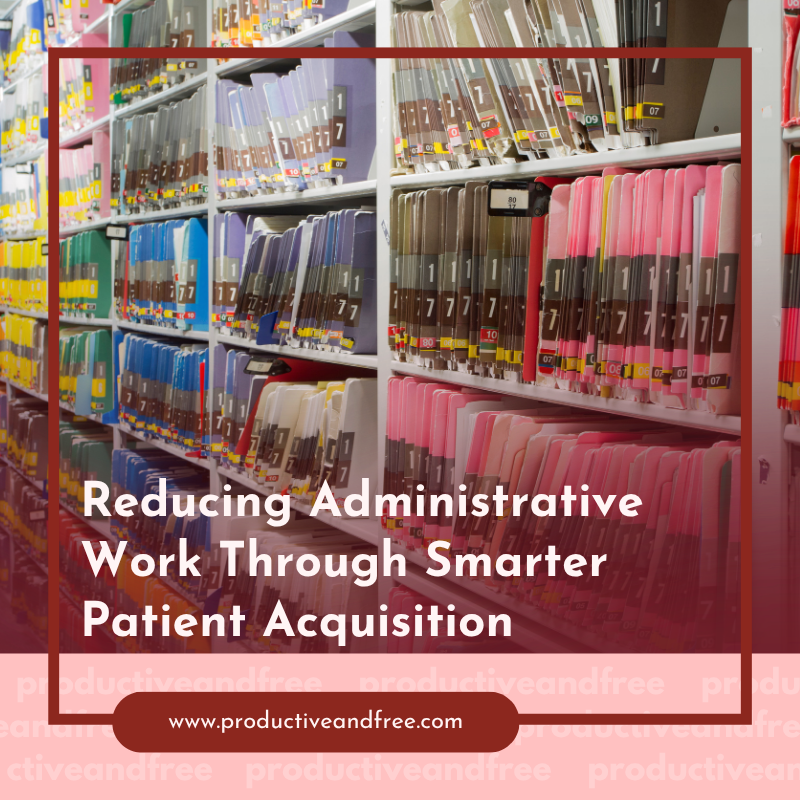
As a healthcare professional, your main goal is patient care. But how much of your day actually goes into the administrative grind of finding and bringing in new patients? The endless cycle of calls, paperwork, and scheduling can feel like a whole extra job, sucking up energy that you could better spend on what you're actually good at. Automating how you get new patients isn't about being less personal; it's about being more productive so you can really be there for what matters most.
This article will show you how to use digital automation to make patient acquisition smoother, cut down on administrative work, and get back valuable time. By focusing on cutting client acquisition time, you can put more energy into patient care and growing your practice.
The Time Drain of Manual Acquisition
The usual way of getting a new patient involves a lot of manual steps that eat up time. It often starts with a phone call, which can turn into a game of phone tag. Once you finally connect, there's the back-and-forth of finding an open appointment slot. Then comes the paperwork, which patients often fill out in your waiting room, causing delays and adding to your team's workload.
Every single step needs someone to get directly involved. Following up on questions, sending appointment reminders by hand, and processing initial information all take up hours each week. This isn't just inefficient; it creates a bottleneck that can slow your practice's growth and lead to burnout. The time you spend on these logistics is time you're not spending on patient consultations, professional development, or just taking a break.

Digital Tools for Seamless Onboarding
The answer is to move these manual tasks over to automated digital systems. Imagine a process where a potential patient can find you online, book an available slot, and fill out their intake forms, all without a single phone call. This is totally possible with today's tools.
Online Booking Systems: These systems show your real-time availability on integrated calendars, letting patients book appointments whenever it's convenient for them. This gets rid of scheduling conflicts and the need for back-and-forth communication.
Digital Intake Forms: You can automatically send secure online forms to patients after they book. They can fill out their medical history and consent forms from home, on their own time. All that information is then neatly organized and ready for you before their appointment.
Automated Reminders: Cut down on no-shows by setting up automatic email or text reminders. These systems make sure patients remember their upcoming appointments without your staff having to make manual calls.
Using these tools helps you create a smoother experience for your patients while significantly cutting down on administrative time. The trick is to automate onboarding in a way that still feels personal and supportive.
Designing for Patient Trust and Conversion
Your website is often the first place a potential patient looks. It needs to do more than just list your services; it should act like an automated front desk that builds trust and guides visitors toward becoming patients. A confusing or unprofessional website can turn people away before they even think about your services. Having a clear, easy-to-use, and professional online presence is key to turning interest into appointments.
A well-designed site should answer common questions, clearly explain what you specialise in, and make the next step simple. This means having prominent contact details, clear information about your services, and an integrated booking system. When your website works for you 24/7, it handles the first stages of getting new patients automatically. A professional healthcare web design agency can build a site that not only looks trustworthy but also automates much of this initial interaction, freeing you from answering the same basic questions over and over.
Analytics for Smarter Patient Engagement
Once your automated systems are set up, you can start using data to fine-tune your efforts. Website and marketing analytics give you powerful insights into how potential patients find you and what information they're looking for. Are they coming from a specific search? Which pages on your site do they visit most often? Answering these questions helps you understand your audience better.
This data lets you focus your marketing efforts where they'll have the biggest impact, saving you time and money. For example, if you see that many visitors are looking for information on a specific condition, you could write a helpful blog post about it. This not only provides value but also shows your expertise. This data-driven approach is a core part of effective process automation, helping you make smarter decisions that continuously improve how you get new patients.
Reclaiming Your Time for What Matters
By automating the repetitive tasks involved in getting new patients, you do more than just become more efficient. You get back your most valuable asset: time. This is the time you can put back into what truly matters, like giving excellent patient care, improving your clinical skills, or finding a better work-life balance.
An automated system handles the logistics, so you can greet a new patient who is already scheduled, has completed their paperwork, and is ready for their consultation. The administrative hassle is gone, replaced by a smooth and professional experience for both you and your patient. This change lets you focus your energy on the human side of healthcare, building relationships and getting the best possible results.
Ultimately, automation is a tool for freedom. It frees you from the mundane tasks that weigh you down, allowing you to dedicate your focus and expertise to the work you were trained to do.





















Share in the comments below: Questions go here
Discover how traveling can enhance your understanding of customer needs and preferences. Learn valuable insights to boost your entrepreneurial success.