
How Discrimination Lawyers Turn Employee Complaints into Legal Cases
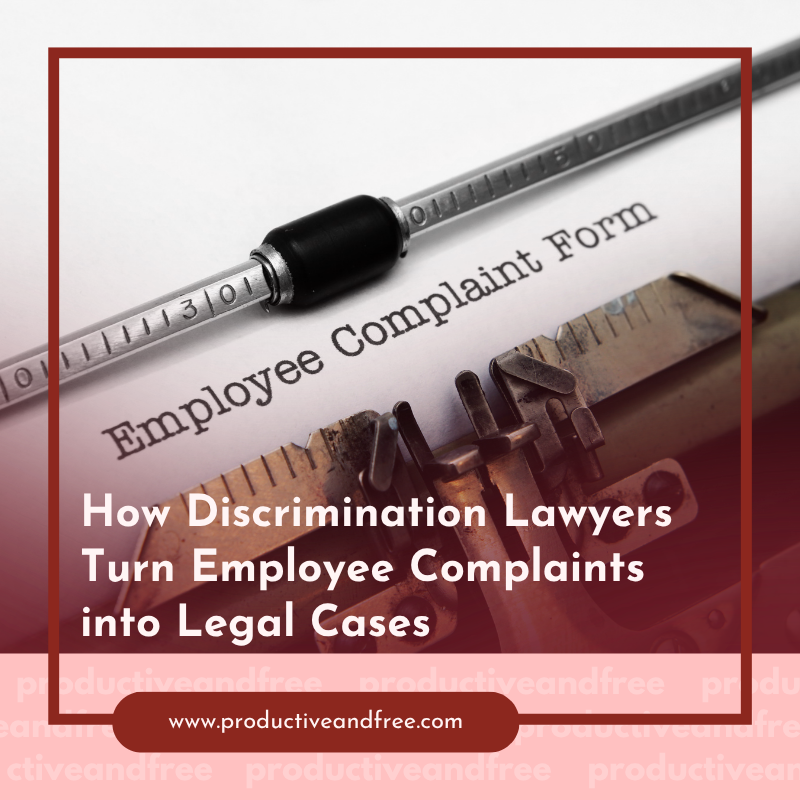
For employees in Philadelphia, workplace discrimination can be difficult to recognize, especially when it develops through a series of decisions, comments, or changes in treatment rather than one obvious incident. Being passed over for a promotion, excluded from opportunities, or treated differently from coworkers can leave someone wondering whether they are facing discrimination or simply experiencing a difficult workplace.
So, when does a workplace concern become a legal discrimination case? The answer depends on the facts, the evidence, and the steps an employee takes after the conduct occurs. Understanding that process can help make employment law less confusing and clarify what may happen before a case ever reaches a courtroom.
Why Not Every Bad Experience Becomes a Legal Case
It's worth being upfront about this from the start: feeling mistreated at work and having a legally viable discrimination claim aren't automatically the same thing.
A case needs to connect specific, documented conduct to a protected characteristic, race, age, sex, disability, religion, national origin, and so on, in a way that meets the legal standard courts actually apply. That distinction is exactly why the intake and evaluation process matters so much before anything moves forward.
What Happens During the Initial Consultation
A handful of things typically happen in that first conversation between an employee and a discrimination lawyer:
Gathering a detailed timeline of what happened, including dates, specific comments, and who was present
Reviewing any existing documentation, such as emails, performance reviews, or HR complaints already on file
Identifying the protected characteristic at the center of the alleged discrimination
Assessing whether the conduct rises to a legally actionable level, rather than falling into a gray area courts generally won't act on
Explaining realistic next steps, including timelines and what evidence would strengthen the case going forward
This stage is really about separating a genuine, provable pattern of discrimination from an isolated bad interaction, since the two require very different paths forward.
Why the EEOC Filing Process Matters So Much
This is really the middle of what makes a discrimination complaint into something a court can actually hear. Before most federal discrimination lawsuits can move forward, a charge generally has to go through the U.S. Equal Employment Opportunity Commission first. Under Title VII and the Americans with Disabilities Act specifically, an employee must receive a Notice of Right to Sue from the EEOC before filing in federal court, and the agency is generally given 180 days to investigate the charge before that notice can be requested.
Understanding this step matters because missing it or mishandling the timeline can weaken an otherwise strong case before it reaches court. Employees must pay close attention to filing requirements and applicable deadlines.
Working with Philadelphia workplace discrimination attorneys can help employees understand these procedural requirements and avoid preventable mistakes. Lacy Employment Law Firm assists employees with navigating the filing process and meeting the deadlines that apply to their circumstances.
Building the Evidence That Actually Wins Cases
Once the procedural groundwork is in place, the focus shifts to gathering evidence that can support the employee's claims. Strong discrimination cases often rely on several types of evidence rather than one isolated incident.
Direct evidence: Statements, messages, or actions that explicitly reference a protected characteristic can be particularly significant.
Circumstantial evidence: Patterns can help establish what happened, such as being passed over for less-qualified colleagues or receiving sudden negative reviews after making a complaint.
Inconsistent treatment: Differences in how workplace policies are applied to employees in similar situations may provide important context.
Witness accounts: Coworkers who observed the conduct can help confirm events, conversations, or changes in treatment.
Workplace records: Emails, performance reviews, schedules, disciplinary notices, and other records can help establish a timeline and provide supporting context.
The strongest cases usually come from evidence that fits together and shows a consistent pattern, rather than relying on a single document or recollection.
Why Documentation Habits Matter Long Before a Lawyer Gets Involved
Discrimination can develop through a series of smaller incidents rather than one obvious event. By the time an employee seeks legal advice, important details may already be difficult to remember. Keeping a clear record can help preserve what happened and when.
Useful documentation may include:
Dated notes: Record specific incidents soon after they happen, including who was involved and what was said or done.
Emails and messages: Keep relevant workplace communications that may help establish context or a pattern.
Screenshots: Save appropriate records of messages, scheduling changes, or other relevant communications.
Performance records: Keep copies of evaluations, warnings, commendations, or other documents that provide useful context.
Timeline of events: Organize incidents chronologically so that changes or patterns are easier to identify.
The goal is not to assume that a legal dispute is inevitable. Good documentation simply creates a more reliable record if questions arise later and helps an attorney understand the situation more accurately.
From Charge to Resolution
Most employment discrimination cases do not end with a courtroom trial. Many are resolved through settlement negotiations, mediation, or the EEOC's own conciliation process before litigation becomes necessary. Once a charge is filed, the process may involve investigation, requests for information, discussions between the parties, and efforts to reach a resolution.
Understanding that filing a charge is the start of a legal process, not an immediate lawsuit, can help set more realistic expectations about the steps involved and how long reaching a resolution may take.
Conclusion
Turning an employee's discrimination complaint into an actual legal case is a genuinely structured process, one that starts with careful evaluation, moves through required procedural steps like the EEOC charge and Notice of Right to Sue, and builds on a foundation of solid, well-documented evidence.
Employees don't need to have all of that figured out on their own; understanding that this process exists, and that experienced legal guidance exists specifically to navigate it, is often the first meaningful step toward turning a private, uncertain grievance into something the law can genuinely address.



























Share in the comments below: Questions go here

Maximize your Canva lead magnets to generate daily traffic. Explore effective techniques to attract more visitors and enhance your online presence!