
How Workplace Fairness Drives Employee Productivity
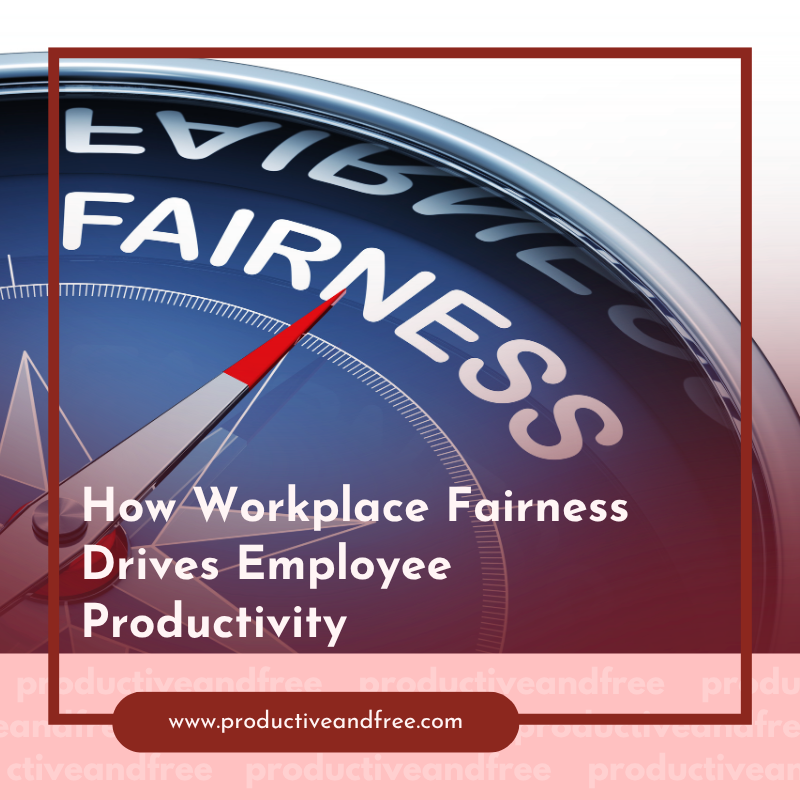
A fair and transparent workplace is a productive workplace. When employees feel they are treated equitably, they are more focused, motivated, and loyal. This isn't just about feeling good; it's about creating an environment where people can do their best work without the distraction of perceived injustices or fear of arbitrary decisions. Building this foundation of fairness is one of the most powerful levers you can pull to boost team performance and long-term organizational health.
Fairness Drives Engagement
Employee engagement is the engine of productivity. Disengaged employees do the bare minimum, while engaged employees invest discretionary effort to help the company succeed. Fairness is a key ingredient for fostering this engagement. When team members believe that promotions, assignments, and recognition are awarded based on merit, they are more likely to strive for excellence. Conversely, a workplace perceived as unfair can quickly breed cynicism and resentment.
According to research on improving employee engagement, clear expectations and a sense of purpose are vital. Fairness underpins both. If expectations are applied inconsistently or if an employee's purpose feels undermined by biased treatment, their engagement will plummet. Simple acts like providing transparent feedback, recognizing contributions consistently, and ensuring everyone has an equal opportunity to develop are powerful drivers of an engaged and productive team.
Preventing Discrimination Claims
A significant aspect of fairness involves protecting employees from discrimination. Federal and state laws prohibit discrimination based on protected characteristics like age, race, gender, religion, and disability. Beyond the legal mandate, preventing discrimination is crucial for maintaining a healthy culture. When an employee feels targeted due to a protected characteristic, it creates a toxic environment that harms morale and productivity for everyone.
To prevent these issues, it's essential to have clear, consistently enforced anti-discrimination policies. This includes standardized hiring processes, objective performance review criteria, and mandatory training for managers. Documentation is your best ally. When decisions about hiring, promotion, or discipline are well-documented and based on objective business reasons, it helps demonstrate that employment decisions were made fairly and consistently. If an employee believes they were unlawfully terminated, consulting a wrongful termination lawyer can help them understand their rights and determine whether they may have grounds for a claim. Clear policies and consistent decision-making can help organizations reduce the risk of disputes while maintaining employee trust.

Supportive Leave Policies
How a company handles employee leave says a lot about its commitment to fairness. Life happens. Employees need time off for medical issues, family emergencies, or to welcome a new child. Supportive and clearly communicated leave policies demonstrate that you value your employees as whole people, not just workers. This support is often repaid with loyalty and dedication.
Ensure your policies for medical, parental, and personal leave are compliant with federal and state laws, such as the Family and Medical Leave Act (FMLA). More importantly, apply them consistently to all employees. If one employee is granted flexibility while another is penalized for a similar request, you create a perception of favoritism that erodes trust. A fair system for requesting and approving leave reduces stress for employees and allows them to return to work focused and ready to contribute.
Handling Employee Concerns
Even in the best workplaces, conflicts and concerns will arise. A fair system for addressing them is non-negotiable. Employees must have a safe and clear channel to voice grievances without fear of retaliation. This could be through an open-door policy with management, a dedicated HR representative, or an anonymous reporting system.
The key is to take every concern seriously. Investigate complaints promptly and impartially. Follow up with the employee to let them know their concern was heard and what steps were taken. This process shows respect and reinforces that the company is committed to a just environment. Proactively creating better workplaces involves building systems where employees feel psychologically safe to speak up, which allows you to resolve minor issues before they escalate into major problems.
Clear Termination Protocols
No one enjoys terminating an employee, but sometimes it's necessary. How you handle this process is a final, critical test of your company's commitment to fairness. Whenever circumstances allow, a termination should not come as a surprise. It should generally follow documented performance discussions, warnings, and opportunities for improvement.
Using a clear, standardized protocol for all terminations is essential.
Conduct the termination meeting in a private setting.
Be direct, respectful, and concise.
Have a witness present, typically from HR.
Clearly explain the business reasons for the decision, referencing previously documented performance issues.
Provide information about final pay, benefits, and any available resources.
This structured approach minimizes emotional distress and reinforces that the decision was professional, not personal. It also protects the organization by demonstrating a fair and consistent process.
A commitment to fairness isn't just a legal or ethical obligation; it's a strategic advantage. By building transparent and equitable systems, you create a workplace where people feel secure, respected, and motivated to contribute their best work, driving productivity and sustainable success.






















Share in the comments below: Questions go here
Maximize productivity by streamlining your field operations. Explore effective solutions that drive efficiency and elevate your team's performance!