
Saving Time and Money Through Better Planning
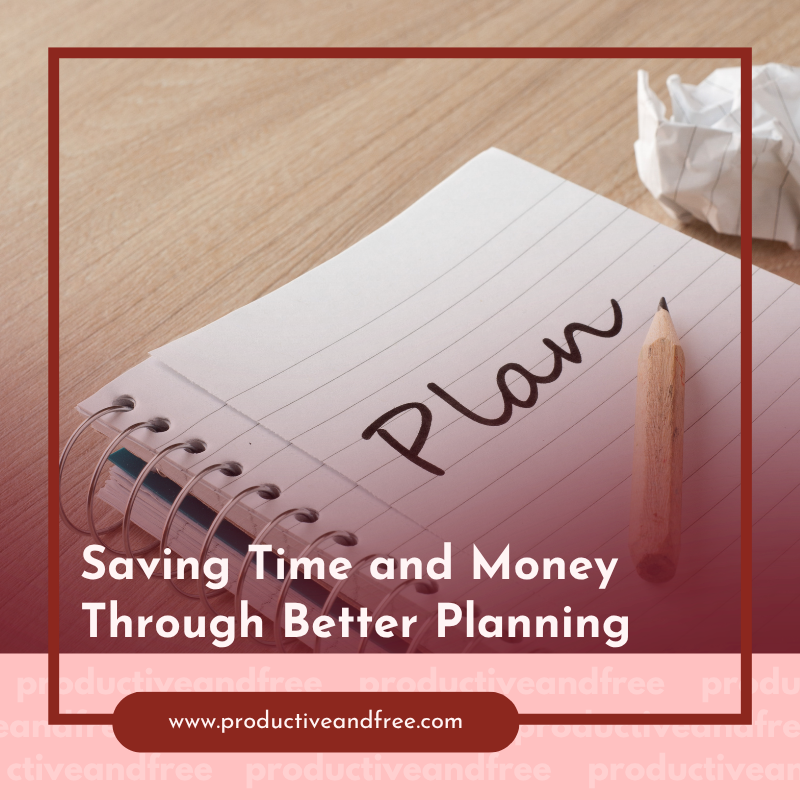
A reactive approach to any project is a recipe for wasted resources and mounting stress. We often jump into tasks with a "figure it out as we go" mindset, only to find ourselves bogged down by unexpected problems, budget overruns, and blown deadlines. Planning isn't just about making a to-do list; it's a strategic process that directly protects your two most valuable assets: your time and your money.
The Real Cost of Poor Planning
When a project goes off the rails, the financial hit is the most obvious consequence. Costs balloon from needing extra labor, expedited materials, or rework to fix mistakes. But the damage runs deeper than the budget. Poor planning creates a ripple effect of hidden costs: team morale plummets under constant pressure, opportunities are missed because you're too busy fighting fires, and your professional reputation can suffer.
Think of a simple office move. Without a solid plan, you might find yourself paying movers for extra hours while employees stand around unable to work because the internet isn't connected. These seemingly small oversights accumulate, turning a straightforward project into a costly and frustrating ordeal. Good planning anticipates these dependencies. In fact, studies on effective project management consistently show that time spent organizing upfront is repaid many times over in smooth execution and cost savings.

Strategic Resource Allocation
At the heart of any good plan is strategic resource allocation. This means making sure you have the right people, tools, and materials exactly when and where you need them. Mismanaging this critical step is a primary reason projects fail. The hidden costs of poor resource management include everything from idle teams waiting for supplies to expensive equipment sitting unused.
For example, on a construction site, getting materials to upper floors can create a major bottleneck. Relying on manual labor is slow and risky, while booking a large crane can be prohibitively expensive and logistically complex for many sites. This is where strategic thinking comes in. Identifying these specific challenges during the planning phase allows you to find better solutions. For specialized industries, a niche service provider can be transformative. For construction logistics, a company like the one detailed at liftroller.com.au offers a system to move materials efficiently without a crane, directly addressing a common and costly bottleneck. This foresight turns a potential delay into a source of efficiency.
Innovative Solutions for Efficiency
Once resources are allocated, equip your team with tools that improve efficiency and communication. Project management platforms like Trello or Asana clarify tasks and deadlines, while innovations such as AI design tools and automated inventory systems can streamline workflows. Look for smarter, faster, and more cost-effective ways to complete each process.
Measuring ROI on Planning Efforts
You can't improve what you don't measure. To ensure your planning efforts are paying off, you need to track their return on investment (ROI). This doesn't have to be complicated. Start by establishing a few key performance indicators (KPIs) before a project begins.
Simple metrics can provide powerful insights:
Budget vs. Actual Spend: Did you stay within your planned budget?
Timeline Adherence: Was the project completed on schedule?
Amount of Rework: How much time or money was spent fixing errors?
Tracking these numbers over time will give you a clear picture of how your planning is improving. If you see that your projects are consistently coming in on time and under budget, you have tangible proof that your upfront investment in planning is delivering real value. It also helps you identify which planning strategies are most effective, allowing you to refine your approach for future projects.
Ultimately, dedicating time to thoughtful planning isn't an expense; it's an investment that yields returns in efficiency, financial savings, and reduced stress, especially when you maximize business efficiency through resource planning. By shifting from a reactive mode to a proactive one, you take control of your projects and set yourself up for success.

















Share in the comments below: Questions go here
Maximize productivity by streamlining your field operations. Explore effective solutions that drive efficiency and elevate your team's performance!