
How to Build a More Efficient Risk Management Process
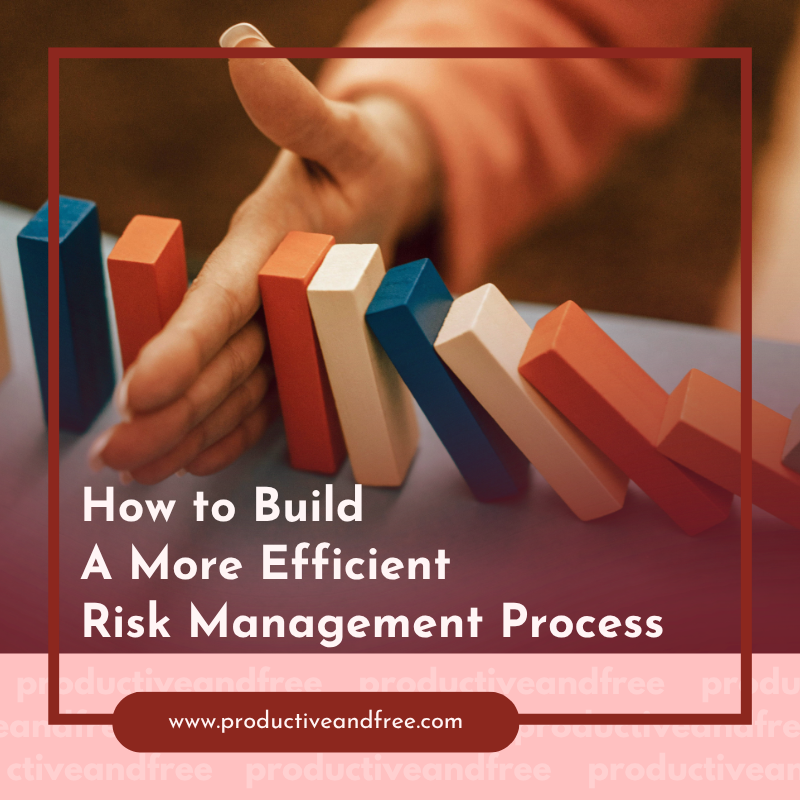
Managing business risks well is key to growing your business and keeping things running smoothly. Instead of seeing risk assessment as just another hoop to jump through, smart companies use it as a strategic tool. It helps them find new opportunities by creating a stable, predictable environment. When you have a clear plan for finding, evaluating, and reducing risks, you don't just avoid problems; you build a strong organization ready to succeed.
Why Risk Assessment Matters for Growth
A proactive approach to risk management does more than just protect your assets; it pushes your company forward. When you can confidently show investors, partners, and customers that you understand potential challenges, you build trust. This stability is crucial for getting funding, entering new markets, and attracting top talent. Understanding the importance of risk management lets you make bolder decisions, knowing the potential downsides. Instead of reacting to crises, you can anticipate them, turning potential threats into manageable parts of your growth plan. This foresight saves resources and mental energy that would otherwise be spent putting out fires, letting you focus on innovation and expansion instead.
Identify Common Business Hazards
To manage risks, you first need to know what they are. Business hazards usually fall into a few main groups. Financial risks cover things like cash flow issues, credit problems, or unexpected market changes. Operational risks are about your daily processes, such as supply chain disruptions, equipment breaking down, or human error. Strategic risks are bigger-picture threats, like a new competitor showing up or consumer preferences shifting. Legal risks can arise from contracts, disputes, employment issues, or other situations where the business could face legal consequences, while compliance risks come from changes in laws and regulations that affect your industry. The first step in identifying and mitigating business risks is to brainstorm potential problems in each of these areas that could impact your specific business.

Classifying Potential Danger Zones
Once you have a list of potential hazards, the next step is to sort them out. Not all risks are the same. A simple way to do this is to look at each risk based on how big its impact could be and how likely it is to happen. This creates a risk matrix, which helps you focus on the high-impact, high-likelihood events first. For businesses with specific physical environments, this classification is even more important. For example, industries working with flammable materials need to deeply understand hazardous area classification to ensure safety and follow rules. Categorizing different zones within a facility by their risk level helps you put targeted safety measures where they're most needed, using resources wisely and keeping everyone safe at work.
Simplify Your Safety Protocols
Often, complex safety manuals full of jargon just sit on a shelf. The best safety protocols are simple, clear, and easy for everyone on the team to follow. Break down procedures into simple checklists or visual flowcharts. Use universal symbols and color-coding to share information quickly, especially in noisy or fast-paced places. Training should be regular, short, and hands-on, not just one big annual seminar. The goal is to weave safety into daily work so it becomes second nature, not an afterthought. When safety is simple, people do it.
Tools for Efficient Risk Management
Technology offers powerful ways to make your risk assessment process smoother. Modern risk management software can help you track identified hazards, assign tasks to reduce them, and monitor progress all from one central dashboard. Digital checklists on tablets or smartphones let you collect data in real-time during site inspections, cutting down on paperwork and errors. Automated alert systems can immediately tell the right people if a risk threshold is crossed. These tools not only save a lot of time but also give you valuable data. This data can help you spot trends, predict future problems, and constantly improve your risk management strategy to be more efficient and effective.
By creating a system for how you handle risk, you change it from something that causes anxiety into a manageable part of your business strategy. A streamlined process gives you the clarity and confidence to focus on what you do best: building and growing your company.











Share in the comments below: Questions go here
Ready to launch your dream business? Explore essential tips for finding the perfect opportunity that fuels your entrepreneurial ambitions.