
The Impact of Quality Tools on Project Success
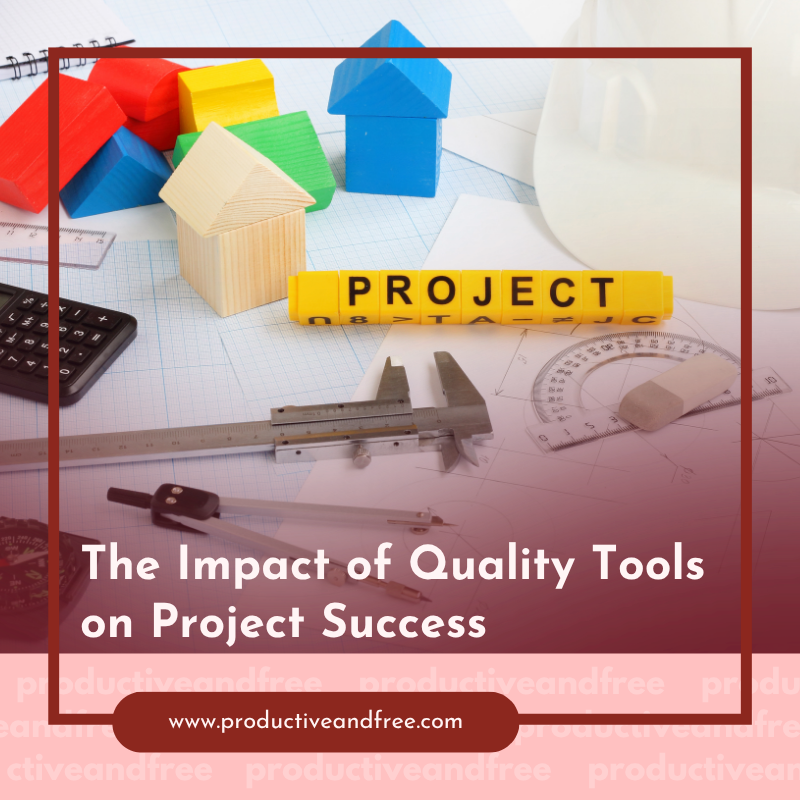
Choosing the cheapest tools for a project might seem like a smart financial move, but it can quietly undermine your efforts right from the start. For leaders, small business owners, and individuals alike, tools aren't just extras; they're essential for success. A project built on flimsy equipment or software is likely to face delays, errors, and frustration. In the end, these issues often cost more in time and resources than any initial savings were worth.
Finishing any project successfully relies on a delicate balance of skill, planning, and resources. While you can control skill and planning, the quality of your resources can vary greatly. Opting for high-quality tools means investing in efficiency, accuracy, and a better final result. It shifts your focus from simply getting a task done to achieving a standard of excellence that makes your work stand out. This approach holds in every field, from creative pursuits to complex scientific research. For instance, ensuring quality control in the development of new medications often involves rigorous testing, such as using bioprocess ELISA kits to detect impurities in biopharmaceutical solutions. These bioprocess ELISA kits are crucial for maintaining high standards in drug manufacturing, offering sensitive detection of impurities in complex biopharmaceutical solutions.
Why Quality Over Quantity Matters
In project management, it's tempting to gather lots of cheap tools, which can give a false sense of readiness. But one reliable, high-quality tool that does its job well is far more valuable than a dozen cheap alternatives that fail when things get tough. This idea of quality over quantity is a core principle of effective project quality management. Poor quality tools bring hidden costs that aren't obvious on a budget spreadsheet.
Think about all the time lost troubleshooting buggy software or recalibrating a faulty instrument. These interruptions break your focus and drain mental energy that could be better spent on creative problem-solving. Rework is another huge drain. A cheap power drill that strips screws or a flimsy tape measure that gives inconsistent readings forces you to redo tasks, wasting both materials and labor. Over time, these small inefficiencies add up to major delays and budget overruns. Staying updated on industry best practices and new technologies through reliable blogs can help teams proactively identify and address potential bottlenecks before they escalate.
What's more, the quality of your tools directly affects team morale and confidence. Giving your team reliable, effective equipment shows you value their time and effort. It empowers them to do their best work without struggling against their tools. On the flip side, forcing them to use inadequate resources can lead to frustration, disengagement, and a drop in work quality. A team that trusts its tools can focus on innovation and getting things done.
Identifying Your Project's Critical Resources
Not all tools are created equal, and not every project needs top-of-the-line equipment for every single task. The trick is to strategically pinpoint the critical resources that will have the biggest impact on your project's outcome. Start by breaking your project into its main parts and workflows. For each stage, ask yourself: where's the highest risk of failure or error? The tools linked to these high-risk stages are your critical resources.
For a graphic design agency, a color-calibrated monitor and professional design software are essential. For a construction crew, precise levels and durable power tools are a must. In these cases, cutting corners on quality would directly jeopardize the final product. For other, less crucial tasks, a more budget-friendly option might be perfectly fine. This strategic approach to controlling project quality lets you put your budget where it matters most.
To make your list of critical resources, think about these factors:
Impact on Final Quality: Which tools directly affect how precise, reliable, or good-looking the end result is?
Frequency of Use: Tools used constantly throughout the project should be tough and comfortable to prevent downtime and user fatigue.
Point of No Return: Are there tasks where a mistake is hard or impossible to fix later? Prioritize quality tools for these steps.
When you focus your investment on these key items, you ensure your project's core is strong while still managing costs effectively.

Ensuring Data Integrity with Reliable Assays
In fields driven by data, tool quality isn't just about efficiency; it's about validity. For scientific researchers, market analysts, or quality control specialists, the entire project depends on the accuracy of the initial data collected. If the data is flawed, every conclusion drawn from it is fundamentally unsound, making months or even years of work useless. This is where the saying "garbage in, garbage out" becomes painfully real.
In biomedical research, for instance, scientists rely on specific tests called Assay Genie to measure substances in a sample. An unreliable assay can produce false positives or negatives, sending researchers down the wrong path and wasting valuable time and money. The precision and consistency of these tools are crucial. Using a trusted source ensures that the foundational data is accurate, allowing them to build their experiments with confidence.
This idea goes beyond the lab. A marketing team using a faulty analytics tool might misinterpret customer behavior and launch an ineffective campaign. A financial firm relying on inaccurate data feeds could make disastrous investment decisions. In any project where data is a key resource, investing in tools that guarantee data integrity is the most important decision you can make. It's the firewall that protects your project's intellectual and financial value from the ground up.
Streamlining Workflows with Better Instruments
High-quality tools often do more than just perform their basic function correctly; they're designed to smooth out your entire workflow. Better instruments and software usually come with superior design, more intuitive interfaces, and features that automate repetitive tasks. These improvements might seem small on their own, but they add up to significant gains in productivity and reduce the mental effort needed from the user.
Consider the difference between a free, ad-supported video editor and professional-grade software. The free tool might get the job done, but you'll likely spend extra time navigating clunky menus, waiting for slow rendering, and working around missing features. The professional tool, however, is built for speed and efficiency. It offers keyboard shortcuts, optimized performance, and a logical layout that helps you stay focused. The time saved is time you can put back into the creative parts of your project.
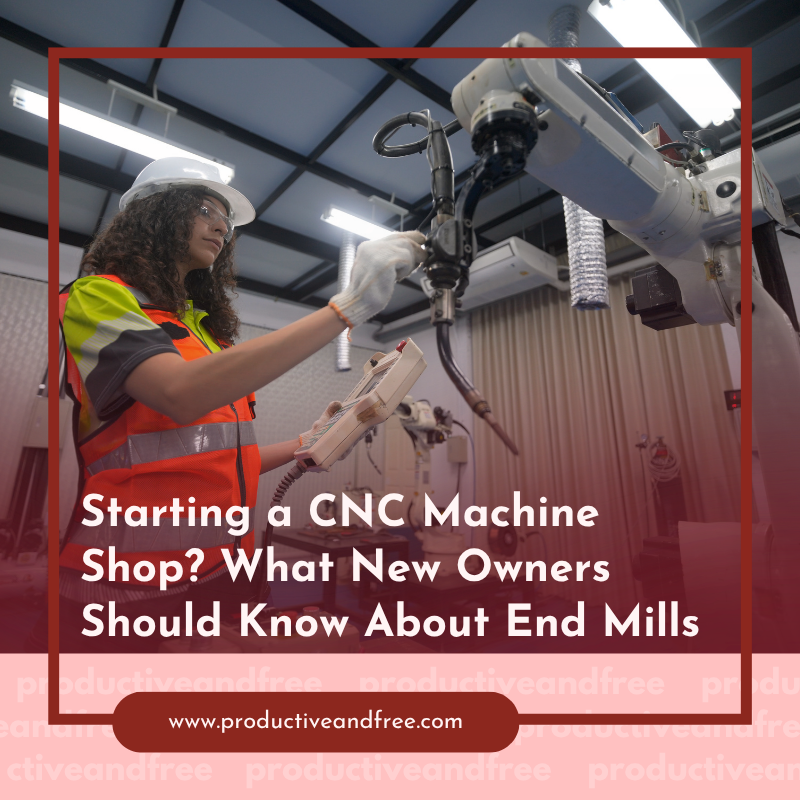
This concept of managing project quality through better tools also applies to physical work. An ergonomic screwdriver reduces hand strain, letting a technician work longer without discomfort. A CNC machine with better software can produce complex parts with minimal human input, freeing up an operator to prepare the next job. When it comes to precision hole-making, the quality of the drilling process directly impacts part accuracy and production speed. Professional CNC drilling services use advanced machinery, optimized toolpaths, and tight tolerances to deliver consistent, repeatable results while reducing rework and keeping complex manufacturing projects on schedule. Quality tools reduce friction points in your daily processes, which speeds up the work and makes it more enjoyable and sustainable for the people doing it.
Measuring the Return on Investment
The biggest obstacle to investing in quality tools is often the upfront cost. A premium tool can look expensive compared to a cheaper alternative. However, a simple price comparison is misleading. To truly understand the value, you need to measure the return on investment (ROI) over the tool's entire lifespan and the project's duration. The initial purchase price is just one part of the total cost of ownership.
To figure out the ROI, consider these factors:
Time Savings: How many hours will the tool save you or your team each week? Multiply those hours by your hourly rate to quantify the value.
Reduced Rework: Estimate the cost of errors and rework caused by a cheaper tool. This includes wasted materials and the labor cost of redoing the task.
Longevity and Durability: A quality tool might last five or ten times longer than a cheap one, eliminating replacement costs over the years.
Value of Output: Will the better tool allow you to produce a higher quality product or service that can command a higher price?
When you factor in these variables, the more expensive tool often turns out to be the more economical choice in the long run. Project success isn't just about finishing on time and within budget; it's about delivering value. Evaluating your tools based on their contribution to the overall project success criteria gives a more accurate picture of their worth than a price tag alone.
Investing in quality is a strategic decision that pays off in efficiency, accuracy, and final results. It's about giving yourself and your team the best possible chance to succeed.


























Share in the comments below: Questions go here

Maximize productivity by streamlining your field operations. Explore effective solutions that drive efficiency and elevate your team's performance!