
How Can an E-commerce Lawyer Help Prevent Costly Business Disputes?
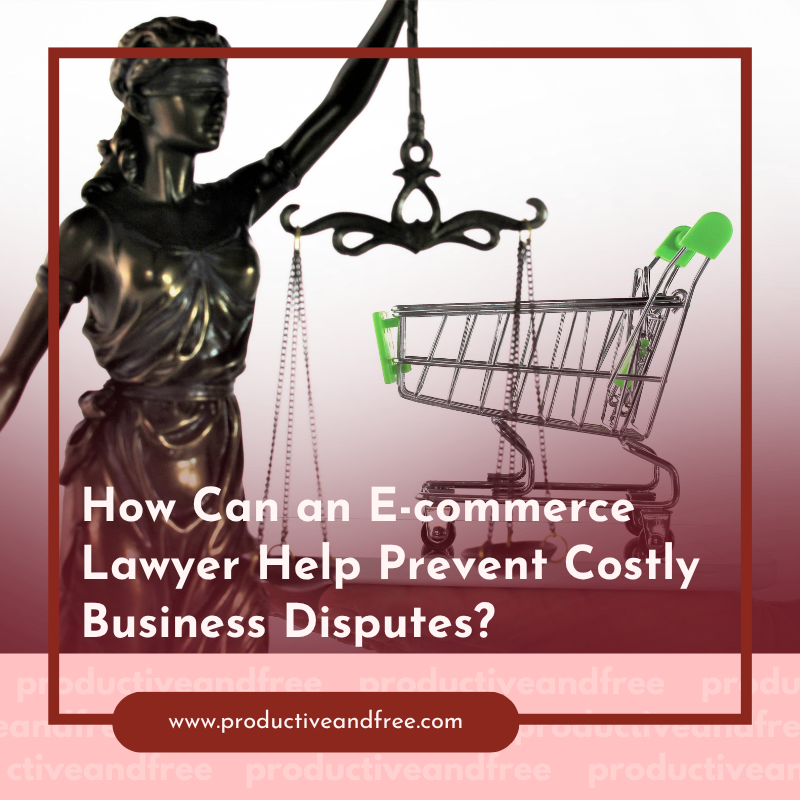
Running an online business comes with a specific set of legal exposures that a lot of founders don't fully appreciate until something goes wrong. A supplier contract with vague terms, a customer dispute that escalates into a chargeback nightmare, or a website policy that doesn't actually protect the business the way it was assumed to — these are the kinds of issues that seem minor right up until they turn into a genuine crisis. Understanding how proactive legal guidance can prevent these situations, rather than just responding to them after the fact, can save an ecommerce business a significant amount of money, time, and stress.
Why Ecommerce Businesses Face Unique Legal Risk
Traditional brick-and-mortar businesses deal with a fairly predictable set of legal considerations, but ecommerce introduces layers of complexity that many founders don't anticipate. Selling across multiple states or countries means navigating different consumer protection laws, tax obligations, and shipping regulations simultaneously. Add in digital-specific concerns like data privacy compliance, website terms and conditions, and intellectual property issues around branding and content, and it becomes clear why generic legal advice often falls short of what an online business actually needs.
Common Disputes That Catch Ecommerce Founders Off Guard
A handful of dispute types tend to show up repeatedly for online businesses, often catching founders by surprise:
Supplier or manufacturer disputes over product quality, delivery timelines, or contract terms that were never clearly documented.
Customer disputes escalating into formal complaints or chargebacks due to unclear refund and returns policies.
Intellectual property conflicts, including trademark disputes or unauthorized use of branding and product images.
Employment or contractor disputes arising from unclear engagement terms with remote or freelance staff.
Data privacy complaints tied to how customer information is collected, stored, or used.
Each of these disputes is significantly easier to prevent than to resolve after the fact, which is precisely where early legal input tends to pay for itself many times over.
How Proactive Legal Review Prevents Problems Before They Start
Rather than waiting for a dispute to force a legal review, many successful ecommerce businesses build legal check-ins into their regular operations. Working with an experienced Ecommerce Lawyer means having contracts, website policies, and supplier agreements reviewed before problems arise, rather than scrambling to interpret vague terms once a dispute is already underway. Prosper Law and similarly focused firms typically start by auditing existing terms and conditions, privacy policies, and supplier contracts, identifying gaps that could expose the business to unnecessary risk down the line. This kind of proactive review tends to be far less expensive and far less stressful than reactive legal work undertaken during an active dispute.
The Real Cost of Skipping Legal Review Early On
It's tempting for early-stage ecommerce businesses to treat legal review as an expense to defer until the business is larger or more established. In practice, this often backfires. A poorly worded returns policy might seem trivial until a wave of customer disputes reveals it doesn't actually protect the business the way the founder assumed. A verbal agreement with a supplier might work fine for months until a disagreement over quality or delivery timing turns into a costly standoff with no clear contractual terms to fall back on. The cost of prevention is often considerably lower than the cost of resolution, particularly once legal fees, lost time, and reputational damage are factored into the equation.
Questions Ecommerce Founders Often Ask About Legal Protection
A handful of questions come up consistently among founders exploring legal support for the first time:
Do I really need a lawyer if my business is still small? Early-stage businesses often have the most to gain from proper contracts, since mistakes made early tend to compound as the business grows.
What documents matter most for an online business? Terms and conditions, privacy policies, supplier agreements, and returns policies are typically the highest priority.
How often should legal documents be reviewed? As a general rule, whenever the business changes significantly — new markets, new suppliers, new product lines — it's worth revisiting existing agreements.
Is legal review only useful once a dispute has started? Not at all; the most valuable legal work often happens well before any dispute exists.
Getting clear answers to these questions tends to make legal support feel far more approachable than founders initially expect.
Building a Legally Resilient Ecommerce Business
Ultimately, legal protection for an ecommerce business isn't about eliminating risk entirely — that's rarely possible in any business. It's about reducing the likelihood of disputes escalating into something costly, and ensuring that when disagreements do arise, the business has clear, enforceable terms to rely on rather than ambiguity that works against it. This shift in mindset, from reactive to proactive, tends to be one of the most valuable changes a growing ecommerce business can make.
Conclusion
Costly business disputes rarely appear out of nowhere — they usually trace back to a contract that was never quite clear enough, or a policy that was drafted quickly and never revisited. Taking a proactive approach to legal review, rather than waiting for a dispute to force the issue, tends to save ecommerce businesses significant time, money, and stress in the long run. If your business has been operating on informal agreements or outdated policies, it's worth having those reviewed before a dispute makes the gaps impossible to ignore.

























Share in the comments below: Questions go here

Ready to launch your dream business? Explore essential tips for finding the perfect opportunity that fuels your entrepreneurial ambitions.