
Streamline Your Business for Environmental Impact
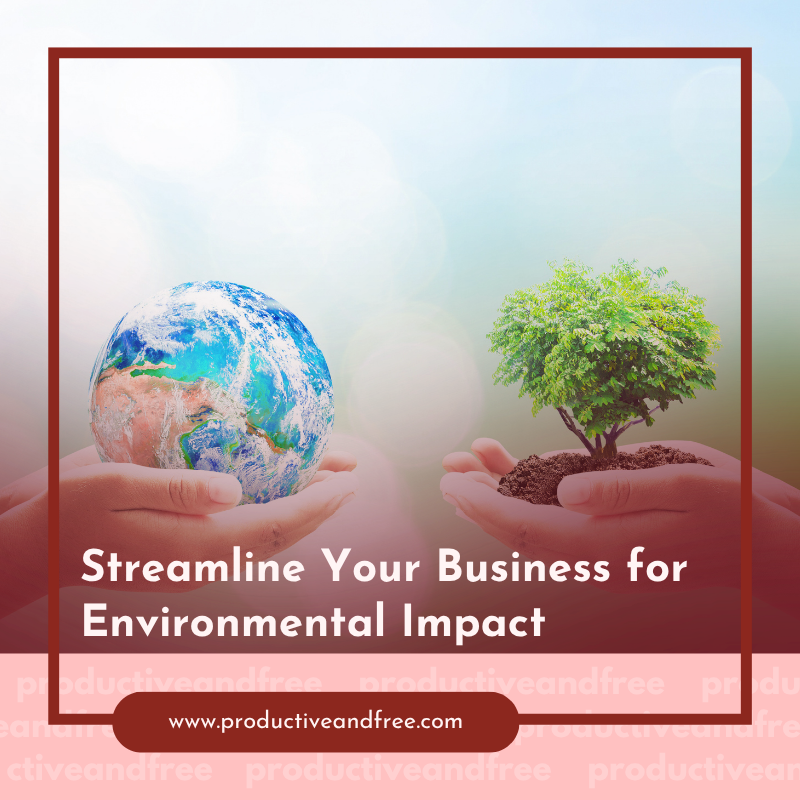
These days, focusing on the environment isn't just a corporate checkbox; it's a powerful way to drive business efficiency and build brand loyalty. For modern companies, sustainability isn't only about looking good to the public. It's about creating a more resilient, cost-effective, and competitive business from the ground up, much like what you see with effective mine water treatment. When you streamline your business with the environment in mind, you can open up new opportunities and strengthen your connection with customers.
This doesn't mean you need to completely overhaul everything overnight. It's about making smart, gradual changes that cut down on waste, improve how things get done, and ultimately benefit both the planet and your bottom line.
Why Environmental Focus Matters Now
Today's customers are more informed and thoughtful than ever. They actively look for brands that match their values, and environmental responsibility plays a big part in what they decide to buy. Showing a clear commitment to sustainability can help you stand out from competitors and build a loyal customer base that truly appreciates your efforts.
Beyond customer loyalty, focusing on the environment often leads to significant cost savings. When you use less energy, create less waste, and make the most of your resources, you directly lower your overhead. Thinking green simply makes good financial sense. It forces you to take a close look at your operations, helping you spot inefficiencies you might have otherwise missed.
Identify Your Business's Footprint
Before you can make things better, you need to know where you stand. Understanding your business's environmental footprint is the first step toward making real changes. This means looking at every part of your operation to see where you use resources and create waste. Even a simple audit can uncover surprising ways to improve.
Start by checking these key areas:
Energy Use: Look at your electricity and heating bills. Are you using energy-efficient lights and appliances? Can you turn off equipment when it's not in use?
Waste: How much trash does your business generate? Check your waste management services to see what goes to a landfill versus what gets recycled or composted.
Water Use: Track your water bills to understand how much you're using. This is especially important for businesses in manufacturing or food service.
Supply Chain: Think about your suppliers' environmental practices. Buying locally or from partners who have their own green initiatives can spread your positive impact further. Analyzing this information can help you find ways to gain a competitive advantage through product foot printing.

Operational Efficiency and Eco-Friendliness
Operational efficiency and environmental care really go hand in hand. Every bit of wasted material, every unnecessary watt of electricity, and every gallon of wasted water costs both the environment and your business money. By tackling these inefficiencies, you improve your productivity and boost your green credentials at the same time.
There are many examples of environmental sustainability in business you can put into practice. Simple changes, like going paperless in the office, can drastically cut down on purchasing and storage costs. Upgrading to modern, energy-efficient equipment might cost money upfront, but it often pays for itself through lower utility bills. Optimizing delivery routes not only reduces fuel use and emissions but also saves time and labor costs.
Big Business Environmental Management
For ideas, it's helpful to see how big industries with significant environmental impacts manage their footprint. Sectors like heavy manufacturing and mining have long been leaders in developing complex solutions for regulations and resource management. These industries show that even on a massive scale, it's possible to weave environmental management directly into core business processes to lessen impact and ensure long-term survival. Small businesses can adopt the same approach, taking their environmental responsibilities just as seriously.
Leverage Your Green Story
Once you start making changes, it's important to share your progress. Talking about your environmental efforts helps build trust in your brand and connects with customers who share your values. The key is to be genuine. Avoid making vague or exaggerated claims, which people often call "greenwashing."
Instead of just saying your company is "eco-friendly," be specific about what you're actually doing. Share milestones on your website or social media, like "We've cut our office paper use by 50% this year" or "Our new packaging is made from 100% recycled materials." This transparency shows you're truly committed and invites your customers to be part of the journey. Highlighting these efforts on your packaging or in your business location can reinforce your brand’s commitment.
You don't need a huge budget to start making a difference. Pick one area, like reducing office waste or optimizing energy use, and begin there. Small, consistent steps are the foundation of a truly sustainable and productive business.
















Share in the comments below: Questions go here

Discover how traveling can enhance your understanding of customer needs and preferences. Learn valuable insights to boost your entrepreneurial success.