
The Unseen Impact of Your Business Environment
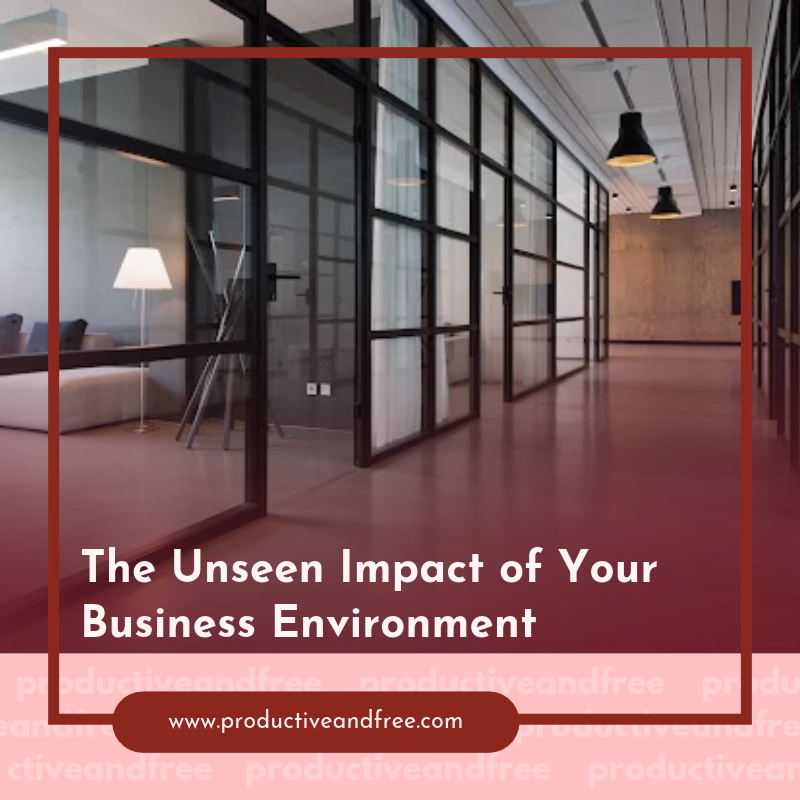
A business environment shapes how people feel, work, and respond to your company long before they study your services. Lighting, flooring, cleanliness, and layout all send signals about how carefully the organization operates. These details may fade into the background during a busy day, yet employees and visitors still notice worn surfaces, poor organization, or neglected repairs. Treating the physical workplace as a business asset can support productivity, protect your property, and strengthen how others perceive your brand.
Employee Morale and Surroundings
Employees spend a large part of their week at work, so the condition of that space can influence daily morale. Clean floors, dependable lighting, and organized shared areas show that management values the people using them. A warehouse with marked walkways or a medical office with easy-to-clean surfaces also helps staff complete routine tasks with fewer distractions.
Start by asking employees which physical issues slow them down. Recurring concerns may point to practical upgrades. Fixing visible wear, improving lighting, or repairing damaged surfaces also tells employees that reported problems receive attention.
First Impressions on Customers
Visitors often form an opinion within moments of entering a workplace. The reception desk may look polished, but stained floors, overflowing bins, or damaged walls can suggest weak attention to detail. Guidance on the impact of a clean office highlights how workplace cleanliness can affect a client's perception of professionalism and care.
Walk through your property using the same route a customer would take. Check the entrance, parking access, reception area, and restrooms. Look for dirt at floor edges, faded signs, and temporary fixes that have quietly become permanent. Consistent upkeep matters because first impressions in business can shape customer confidence before a meeting begins.
Long-Term Maintenance Benefits
Small maintenance tasks become expensive when they remain unresolved. A minor surface crack can spread under repeated traffic, while moisture can damage materials and lead to longer closures. In areas exposed to heavy traffic, spills, or equipment movement, commercial floor coatings can help protect the surface and make routine maintenance easier. A scheduled inspection gives your team a chance to address these issues before they interrupt normal operations.
Create a simple record for floors, walls, lighting, and major building systems. Note the inspection date, observed condition, and planned repair. This history helps you identify recurring problems and budget for replacement at a sensible time. The principles behind smart facility management for long-term growth can also help connect routine upkeep with wider business planning. Planned maintenance protects cash flow because managers can schedule work around quieter periods instead of reacting to sudden failures.
Safety and Risk Mitigation
The condition of a workplace directly affects how safely employees and visitors move through it. Loose mats, slick surfaces, cluttered routes, and dim stairwells can create preventable hazards. Addressing them promptly may reduce injuries, operational disruption and avoidable liability.
Assign responsibility for routine safety checks instead of assuming someone will notice each problem. A weekly walkthrough may be enough for a small office, while busy food service, manufacturing and warehouse facilities may need daily checks. Record spills, damaged surfaces, and blocked exits as soon as staff find them. Clear signs and visible floor markings can guide movement, but they should support timely repairs rather than serve as permanent substitutes for them.
Branding Through Physical Space
Your physical space should reflect the qualities customers expect from the business. A creative studio might use flexible work areas and distinctive color, while a medical office may favor calm tones, clear directions, and spotless finishes. Consistency is more valuable than expensive decoration. Signs, furniture, lighting and surfaces should feel connected to the same identity.
Review the areas that appear in customer photos, video calls, and social media posts. These spaces often reach more people than the front entrance does. Remove outdated signs, standardize visible storage, and choose materials that can retain their appearance under normal use. When the surroundings support the brand promise, customers receive the same message from the facility that they hear from your team.
The next time you walk through the property, pause at the entrance and look down as well as ahead. Floors, signs, and small repair details can reveal exactly where the business environment needs attention first.

























Share in the comments below: Questions go here
Learn how data-driven insights can empower small business owners to make informed decisions and boost their success. Start transforming your strategy now!