
Smart Facility Management for Long-Term Growth
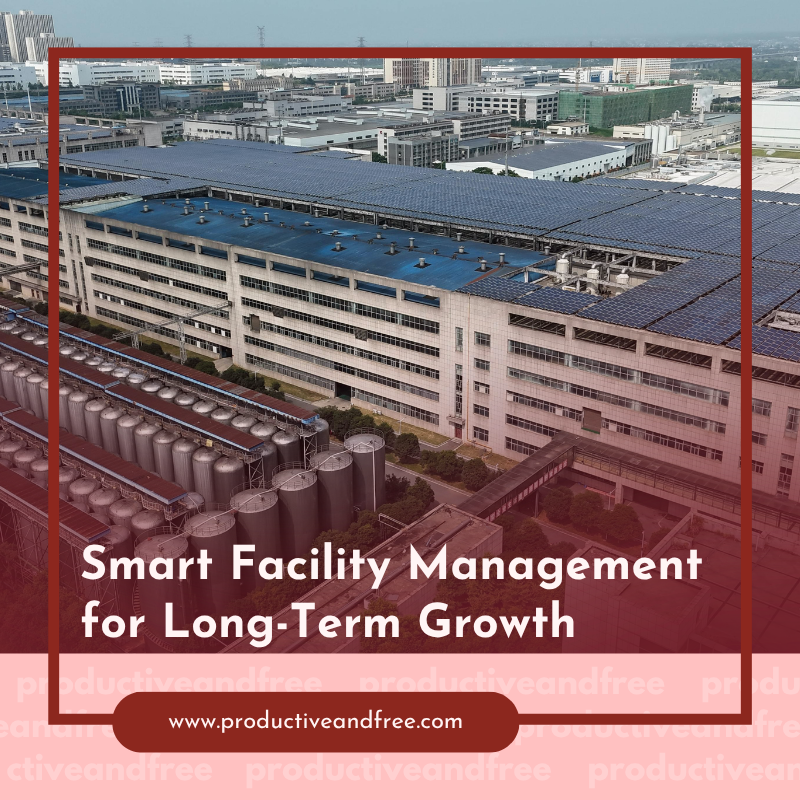
Managing a business property involves more than just paying the utility bills and making sure the lights stay on. Smart facility management is a strategic function that directly impacts your company's efficiency, profitability, and potential for long-term growth. When you see it as a core business activity, not just an afterthought, it stops being a cost center and becomes a powerful way to add value. Understanding the core facility management strategies can help you protect your assets and create an environment where your business can truly thrive.
This approach means looking at your physical space as an active asset that helps your bottom line, keeps employees happy, and builds your brand reputation. It's about making thoughtful choices that support your operational goals now and in the future.
Beyond Day-to-Day Operations
Good facility management goes far beyond simple repairs and cleaning schedules. It covers everything from space planning and energy management to safety compliance and analyzing an asset's lifespan. A well-managed facility directly affects how productive and happy your employees are. A comfortable, safe, and efficient workspace reduces distractions and shows employees that you care about their well-being.
What's more, your physical space is often the first impression clients, partners, and potential new hires get of your company. A clean, modern, and well-organized environment signals professionalism and competence. On the flip side, a neglected building with obvious problems can create a negative impression, suggesting a lack of attention to detail that might extend to your core business.
Preventative vs. Reactive Costs
One of the biggest changes in smart facility management is moving from just reacting to problems to actively preventing them. Reactive maintenance, where you only fix things when they break, isn't just disruptive; it's also much more expensive. An emergency HVAC repair during a heatwave will always cost more than scheduled servicing. These unexpected expenses can blow budgets and halt business operations.
HVAC is a good example of why preventative maintenance matters in a commercial facility. Heating and cooling systems can require regular servicing to keep them operating properly, while addressing smaller issues early can help reduce the risk of a more disruptive breakdown. For businesses responsible for larger properties, commercial HVAC is an important part of maintaining a comfortable and functional workplace. Including HVAC inspections and servicing in a preventative maintenance plan can make these costs easier to anticipate and manage.
Adopting a preventative facility maintenance plan lets you schedule inspections and minor repairs on your own terms. This approach turns unpredictable costs into manageable, budgeted expenses. By finding and fixing small issues before they become major failures, you save money, extend the life of your equipment, and keep your business running smoothly. A small, scheduled patch is always better than dealing with major damage after a system fails.

The Role of Key Infrastructure
Your building's core infrastructure — the systems you don't see every day — is vital to how it functions. This includes the HVAC, electrical systems, plumbing, and the building's exterior shell itself. These components are the foundation of a safe and operational workspace. Neglecting them is a high-risk gamble that can lead to catastrophic failures.
For instance, your building's roof integrity is crucial. A minor leak might seem small, but over time it can cause structural damage, lost inventory, and dangerous mold growth. Proactive management of your commercial roofing and other key systems isn't just about maintenance; it's about managing risk. Regular inspections and planning for the lifespan of this critical infrastructure protect the entire asset from top to bottom, safeguarding everything and everyone inside.
Future-Proofing Your Business Space
A forward-thinking facility strategy helps you get ready for the future. As your business grows and changes, your space needs to adapt. Future-proofing can involve many things, from tech upgrades to physical reconfigurations. This might mean installing energy-efficient lighting and smart thermostats to cut long-term operating costs.
It could also involve designing more flexible office layouts that can accommodate a hybrid workforce or changing team structures. Anticipating future trends and business needs helps you make investments today that will keep paying off for years. This proactive approach ensures your facility remains a supportive asset, not a restrictive liability, as your company scales.
Making Informed Investment Decisions
With a strategic approach, decisions about facility spending become clearer and more data-driven. Instead of guessing where to put your budget, you can use performance data to guide your choices. Maintenance logs, energy consumption reports, and asset condition assessments give you the information you need to prioritize investments.
This data helps you figure out which systems are nearing the end of their useful life and plan for their replacement in a controlled, cost-effective way. It helps you build a business case for upgrades that promise a strong return on investment, whether through energy savings, better productivity, or enhanced safety. This turns facility spending from a reactive expense into a strategic investment in the long-term health and value of your business.
Ultimately, managing your facility with foresight is a direct investment in your company's future success. By taking control of your physical environment, you create a stable and efficient platform for sustainable growth.











Share in the comments below: Questions go here
Maximize productivity by streamlining your field operations. Explore effective solutions that drive efficiency and elevate your team's performance!