
How Business Owners Can Build Financial Resilience
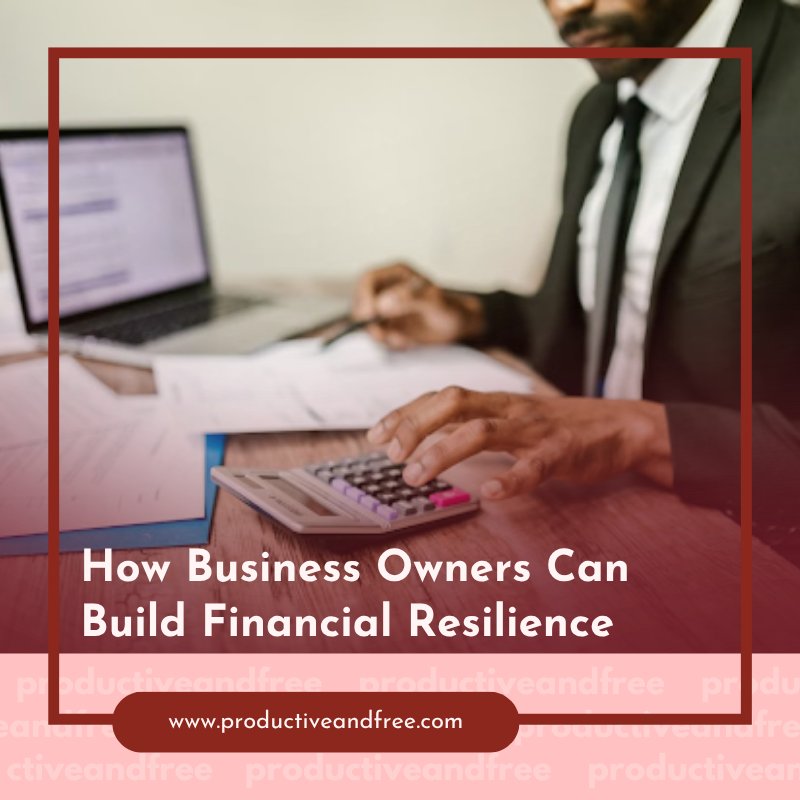
Financial stability gives a business owner room to handle slow sales, rising costs, and unexpected household expenses without making rushed choices. Since personal and business finances often affect each other, resilience starts with clear records, manageable obligations, and cash reserves. These habits help you protect daily operations while keeping long-term plans moving.
Assess Your Current Financial State
Start with a simple snapshot of your finances. Record business cash, receivables, inventory value, outstanding bills, and debts. Then calculate your average monthly revenue and fixed operating costs using the past six to twelve months. Keep household figures separate, even if you currently pay some business expenses from a personal account.
A monthly cash flow statement will show when money enters and leaves. For example, a company may appear profitable over a quarter but struggle each month because customers pay invoices after major bills are due. Guidance on business financial stability also emphasizes cash flow monitoring and realistic financial targets. Review your snapshot monthly and investigate any change you can't explain.
Strategies for Debt Management
List every debt with its balance, minimum payment, interest rate, and due date. Pay required minimums first, then direct extra funds toward the balance with the highest interest rate. If variable revenue makes fixed payments difficult, contact the provider before missing a due date and ask about available repayment terms.
Household debt can also reduce the amount you have available for a business emergency. The discussion featuring Daniel Tilipman explains how inflation and debt pressures are changing household financial decisions. If several payments have become hard to manage, learn how debt management plans can reduce stress and review the costs, terms, and eligibility requirements before enrolling.
Creating a Dynamic Household Budget
Build your household budget around actual expenses from recent statements, not estimates of an ideal month. Separate costs into fixed bills, flexible essentials, and optional spending. Include irregular obligations such as annual insurance premiums, school expenses, and home repairs by dividing their expected total by 12.
A dynamic budget changes when income or prices change. If household groceries rise by $100 per month, update that category and reduce another one deliberately instead of covering the gap with credit. Business owners with uneven income can set a conservative monthly household draw based on lower-earning periods. Keep any surplus in a holding account until quarterly revenue and tax obligations become clear.
Prepare for Economic Uncertainty
Create separate reserves for household emergencies, business operations, and known future costs. A practical first business target is one month of essential expenses. Once that amount is secure, work toward three months based on your cash flow pattern and customer concentration.
Run a basic stress test every quarter. Estimate what would happen if revenue dropped 20 percent for three months or a major customer paid 30 days late. Identify which purchases could be postponed and which costs must continue. These small business resilience strategies offer useful context on cash flow, credit, and contingency planning. Review insurance coverage and payment controls as well, since one preventable loss can quickly consume a reserve.
Invest With a Business Growth Mindset
Treat growth spending as an investment that needs a measurable result. Before purchasing software, training, or marketing services, define the outcome and a review date. A $1,200 system might be worthwhile if it saves ten staff hours each month, while a recurring subscription with little use should be canceled.
Set aside a small percentage of monthly revenue for tested improvements. You might begin with 2 percent and increase it after the emergency fund reaches its target. Track results through useful measures such as repeat sales, project turnaround time, or profit per service. This process keeps ambition connected to financial capacity.
Resilience becomes visible in ordinary decisions: an invoice followed up on time, a reserve left untouched, and an expense removed when it no longer delivers value. Put a recurring monthly finance review on your calendar and use the same figures each time. Consistency will reveal problems early enough to address them without disrupting the business.

























Share in the comments below: Questions go here

Discover the top 5 signs that your hiring process may be driving away talented candidates. Improve your recruitment strategy and attract the best talent today!