
How to Maximize Efficiency in Property Development
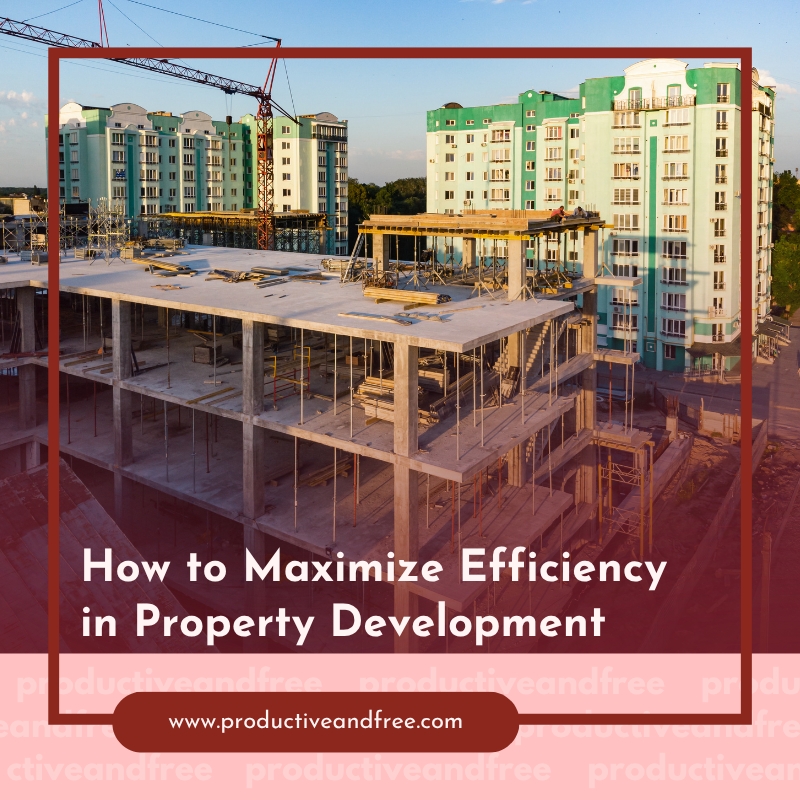
Successful property development rarely comes down to one big decision. It’s usually the result of dozens of smaller ones, from how you assess the site and plan the early groundwork to how you manage contractors, infrastructure, and deadlines. The challenge is that these decisions are rarely isolated. A problem discovered during site preparation can affect the budget, while a utility delay can push back several other parts of the build.
For developers, having a clear plan helps, but so does understanding how each stage affects the next. The aim is to spot potential problems early, use resources where they matter most, and leave enough room to deal with the issues that inevitably come up. With that in mind, a more considered approach can make a development run more smoothly.
Initial Site Assessment Strategies
Before any digging starts, a detailed feasibility study can uncover hidden costs and opportunities. A thorough site assessment is your best chance to avoid expensive surprises later. This means looking beyond just the view or location. It involves careful due diligence, such as checking local zoning rules, understanding any land-use restrictions, and identifying potential environmental issues.
For complex projects, bringing in buildings & real estate development consultants early can offer invaluable insights. They can help you navigate geotechnical reports, environmental impact statements, and permitting processes that might otherwise slow things down. A comprehensive guide to site selection and design can also serve as a basic checklist, ensuring you've covered everything before you commit a lot of money. This upfront research pays off by giving you a clear, realistic project plan.
Optimizing Your Earthmoving Phase
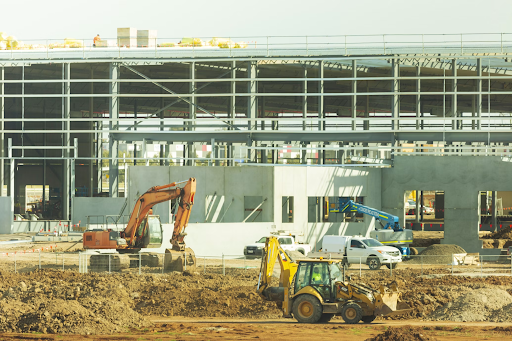
Once you've secured the site, the physical work starts. How efficiently this stage runs sets the pace for the entire construction timeline. Proper site preparation, such as clearing, grading, and excavation, is crucial for this phase. A poorly done earthmoving plan can lead to drainage problems, unstable foundations, and big delays. The goal is to create a clean, properly shaped base for everything that follows.
To make the process run smoothly, ensure your contractors have a clear plan based on precise surveys. This includes mapping where to cut and fill to balance the site, so you don't have to haul soil away or bring in new material unnecessarily. Coordinating this work with the initial layout of utilities and access roads prevents digging the same spots twice and keeps other trades moving.
Smart Planning for Infrastructure
Infrastructure is what makes any development work. Plan utilities like water, sewer, electricity, and data lines at the same time as your site design, not as an afterthought. Talk to local utility companies early to understand their requirements, timelines, and connection points, especially when assessing property for smart buys. This avoids the expensive problem of having to dig up newly paved roads or finished landscaping later.
Think about the logical order of installation. For example, deep utilities like sewer and water lines should go in first, followed by shallower ones like electrical and communications conduits. It's also more efficient to integrate drainage solutions, such as retention ponds or bioswales, into the initial grading plan rather than adding them later. Smart infrastructure planning means looking ahead to create a functional and seamless environment.
Project Management for Developers
With so many things happening at once, strong project management is a must. Modern development needs more than just spreadsheets and phone calls. Using dedicated project management software lets you track budgets, schedules, and tasks in real time. It gives your whole team, from architects and engineers to contractors and suppliers, one reliable source of information.
Good communication is just as important as the tools you use. Regular site meetings, clear reporting, and a defined chain of command prevent misunderstandings and keep everyone aligned. A good project manager anticipates problems, manages resources, and ensures each project phase is completed to standard before the next begins. This kind of oversight keeps a project from getting out of control.
Ensuring Timely Project Completion
Finishing a development project on time requires proactive management, not just fixing problems as they come up. A detailed master schedule with clear milestones is your main tool. Keep the schedule realistic by allowing for weather delays, inspection times, and supply chain issues. Build in extra time for critical tasks to absorb small setbacks without derailing the whole project.
Managing your contractors effectively is key. Make sure contracts have clear scopes of work and deadlines. Keep communication open and address issues as soon as they arise. Finally, always have a backup plan. Every project faces unexpected challenges. Setting aside a contingency fund and having alternative plans for key dependencies helps you navigate these hurdles efficiently and stay focused on the finish line.
Efficient property development comes down to discipline and foresight. Careful planning and systematic execution at every step can help you consistently deliver successful projects that meet both financial and timeline goals.






















Share in the comments below: Questions go here

Equip your small construction project for success! Explore our guide on selecting the best tools and machinery to ensure smooth and efficient operations.