
How to Choose the Right Equipment for a Small Construction Project
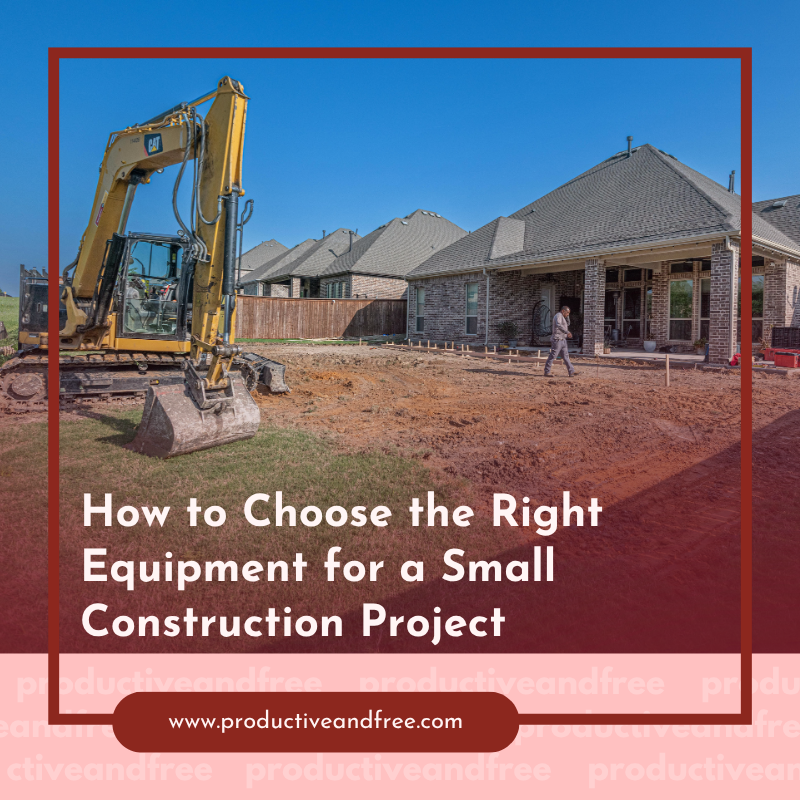
Taking on a small construction project, whether it's a backyard overhaul or putting in a new foundation, needs more than just a good plan and hard work. The equipment you use can be the difference between finishing on time and within budget, or getting stuck in endless frustration. Picking the right tools for the job is a crucial step that makes everything more efficient and helps you get a professional result.
This guide will walk you through the main things to think about when choosing equipment, so you can manage your project with confidence.
Assess Your Project's Scope and Needs
Before you pick any machinery, you need to be absolutely clear about what tasks are involved. Break your project down into specific actions.For instance, a mini-excavator is perfect for digging in tight spots, but a larger skid-steer loader is more flexible for lifting and moving materials across an open area.
Make a list of every physical task from start to finish. This detailed list will be your guide, helping you figure out exactly what capabilities you need. Knowing how to choose the right construction equipment for each part of your job is the starting point for good project management.
Consider Renting vs. Buying Equipment
For most homeowners and small builders, buying heavy machinery just isn't practical. The costs for buying, storing, insuring, and maintaining it are huge. That's why renting equipment is often the smart, productive choice. Renting gives you access to professional-grade equipment for exactly how long you need it, without the big financial commitment.
Services that offer excavator hire can provide the right-sized machine for your specific job, whether you need it for a single day of trenching or a week of site preparation. Rental companies usually handle delivery, pickup, and any necessary maintenance too, which frees you up to focus on the project itself.
Prioritize Safety and Operator Skill
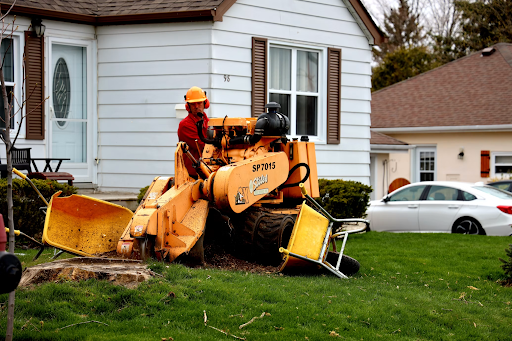
Heavy equipment is powerful, so it needs respect and skill to operate safely. If you don't have experience with the machinery you plan to use, it's really important to get proper training. Many rental companies offer basic instructions, but that might not be enough for complicated tasks.
A simple plate compactor is one thing; a backhoe is entirely different. For more complex machinery, it's more efficient and safer to hire a professional operator along with the equipment. Always make sure anyone operating the machinery wears the right personal protective equipment (PPE), including a hard hat, steel-toed boots, and high-visibility clothing.
Factor in Site Conditions and Access
Your job site has its own unique challenges that will affect your equipment choices. Before you rent anything, check out the terrain, soil type, and how you'll get machines in and out.
Access: How will you get the machine onto your property? Measure gates, driveways, and any narrow spots to make sure the equipment will fit.
Terrain: Is the ground flat or sloped? Is it soft and muddy, or hard and rocky? Equipment with tracks might be better for soft ground or steep hills, while wheels work well on pavement and firm surfaces.
Obstacles: Look for overhead power lines, underground tracked equipment, septic systems. Knowing where these are is vital to prevent a costly or dangerous accident. Proper equipment management for small projects means matching the machine not just to the task, but to the environment it will be working in.
Plan for Logistics and Support
Finally, consider the practical details that support your use of the equipment. Where will you get fuel? What if the machine breaks down halfway through the project? When you rent from a good company, these issues are often part of their service. They might offer on-site refueling or quickly swap out a broken machine to keep your downtime to a minimum.
Talk about these details with the rental provider beforehand. Confirm delivery and pickup times so you can schedule your work accordingly. Having a clear plan for these support logistics prevents unexpected delays and helps keep your project running smoothly from start to finish.
A little planning when choosing your equipment goes a long way. By carefully matching the machinery to your project's specific needs, you set yourself up for a safer, more productive, and ultimately more successful outcome.


















Share in the comments below: Questions go here
Equip your small construction project for success! Explore our guide on selecting the best tools and machinery to ensure smooth and efficient operations.