
Boosting Business Efficiency Through Smart Equipment Choices
A company's productivity often hinges on the quality of its physical tools and equipment. This is an area that often gets overlooked, with discussions usually dominated by digital solutions. While software and apps are essential, the tangible assets employees use every day, from workshop machinery to warehouse logistics gear, truly form the backbone of operations. Making smart choices here isn't just about buying the latest model; it's a strategic decision that directly impacts workflow, employee safety, and the bottom line. With technology advancing so quickly, making smart equipment choices can significantly boost your business efficiency and overall operational success.
This article looks beyond digital tools, exploring how to make intelligent investments in the operational assets that genuinely drive your business forward.
Beyond Digital Tools for Productivity
In today's workplace, conversations about productivity lean heavily towards software. We talk about project management platforms, communication apps, and AI-powered analytics, all of which are valuable. But this focus can create a blind spot for the physical equipment that supports most business operations. For any company that produces, moves, or services tangible goods, the efficiency of its physical tools is crucial. The right smart tech choices go far beyond the computer screen.
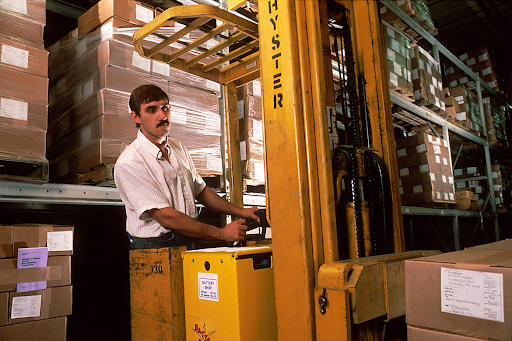
Think about a commercial kitchen. The most advanced ordering software in the world can't make up for a poorly designed workspace or an oven that heats unevenly. Similarly, a logistics company using cutting-edge route-planning algorithms will still hit roadblocks if its warehouse has slow or unreliable forklifts. The same idea applies to countless industries: construction, manufacturing, healthcare, and field services all depend on how well their physical assets perform.
The main thing is to see equipment not just as a cost, but as a vital part of your productivity system. Just as you'd evaluate software for its features and how well it integrates, you should assess physical tools for their ergonomic design, safety features, maintenance needs, and how they affect the overall workflow. Ignoring this means you're leaving a big chunk of your company's potential efficiency untapped.
The Real Cost of Inefficient Operations
Using outdated, inadequate, or poorly maintained equipment comes with costs that go far beyond the initial savings of not upgrading. These hidden expenses can quietly drain resources and slow down growth. One of the biggest costs is lost time. A slow machine, a tool that constantly needs adjusting, or a manual process that could be automated creates delays that add up to thousands of lost work hours over a year.
Employee morale and safety are also at risk. Forcing teams to work with subpar tools is frustrating and demotivating. It sends a message that the company values cutting costs more than its employees' well-being and effectiveness. This can lead to higher turnover and make it harder to attract skilled talent. More critically, older equipment might lack modern safety features, increasing the risk of workplace accidents, which bring devastating human and financial consequences.
Finally, there's the cost of unreliability. Equipment that breaks down unexpectedly stops production, leading to missed deadlines and unhappy customers. The expense of emergency repairs and replacement parts often costs more than planned maintenance and timely upgrades. This reactive approach to asset management creates a cycle of inefficiency and financial strain, stopping the business from running smoothly and predictably.
Smart Investments in Operational Assets
Making strategic investments in high-quality operational assets is a direct investment in your company's core capabilities, and durable business assets are a smart long-term choice. It's about finding the critical points in your workflow and giving your team tools that are not just good enough, but optimal. This means looking for equipment that is efficient, safe, and adaptable to your specific operational needs.
For example, a business involved in manufacturing or maintenance might often need to lift and position heavy components in areas without permanent overhead cranes. Relying on manual labor or makeshift solutions for these tasks is slow, inefficient, and poses a significant safety risk. A smarter approach is to invest in portable, high-capacity equipment. Specialized systems like those from Reid Lifting offer a powerful and flexible solution. These lightweight, portable gantry and davit systems can be easily assembled by one or two people and deployed exactly where they are needed, turning a difficult two-hour job into a safe, 20-minute task.
This type of investment brings multiple returns. It dramatically speeds up operations, reduces physical strain on employees, and minimizes the risk of injury or damage to valuable components. By choosing equipment designed for a specific challenge, you empower your team to work more effectively and confidently. The initial cost for such specialized gear is quickly offset by gains in productivity, safety, and operational flexibility.
Enhancing Workflow with Flexible Solutions
In today's fast-changing business environment, being rigid is a disadvantage. The ability to adapt to new projects, shifting client demands, or evolving production processes is crucial for ongoing success. This is where flexible and modular equipment offers a clear competitive edge. Instead of investing in single-purpose, fixed assets, businesses should prioritize solutions that can be reconfigured or repurposed as needs change.
Modularity in equipment can take many forms. It might be a workshop bench system with interchangeable parts, a shelving unit in a warehouse that can be easily adjusted, or portable machinery that can be moved between different work cells. This approach lets you optimize your physical space and resources for the task at hand, rather than being limited by a static layout. It supports an agile workflow where the environment adapts to the work, not the other way around.
Technology also plays a big role in making physical operations more flexible. For instance, understanding how AI improves efficiency in logistics can help a company optimize not just delivery routes but also the internal movement of goods within a facility. Sensor-equipped machinery can provide real-time data that allows for predictive maintenance, preventing unexpected downtime and letting teams schedule repairs during off-peak hours. By embracing these flexible solutions, you build a more resilient and responsive operation capable of thriving amidst change.
Measuring ROI on Equipment Upgrades
Justifying the expense of new equipment requires a clear understanding of its return on investment (ROI). While some benefits, like improved employee morale, are hard to put a number on, many aspects of an equipment upgrade can be measured directly. Creating a framework to track these metrics is essential for making informed purchasing decisions and showing the value of your investments.
Start by establishing a baseline with your current equipment. Measure key performance indicators (KPIs) related to the task the new equipment will perform. These might include:
Time per Task: How long does it currently take to complete a specific job or process?
Output: How many units are produced or tasks completed per hour or per shift?
Downtime: How much time is lost to breakdowns, maintenance, and setup?
Safety Incidents: Track the number of near-misses and reported injuries related to the equipment.
Material Waste: Measure the amount of scrap or wasted material generated by the current process.
After implementing the new equipment, track these same KPIs over a set period. The difference will show the tangible gains in efficiency and safety. For example, if a new cutting machine reduces material waste by 5% and increases output by 15%, you can calculate the financial value of those improvements over a year. Similarly, a reduction in safety incidents means lower insurance premiums and avoids the massive costs associated with workplace injuries. Analyzing how technology drives resource efficiency provides a clear financial case for the upgrade, turning the purchase from an expense into a strategic investment with a predictable and positive return.
Investing in the right physical assets is a foundational element of building a productive and resilient business. By looking beyond software and focusing on the tools that empower your team to perform their best work, you create a powerful engine for long-term growth and success.
















Share in the comments below: Questions go here
Equip your small construction project for success! Explore our guide on selecting the best tools and machinery to ensure smooth and efficient operations.