
Boost Productivity: Streamline Your Product Development
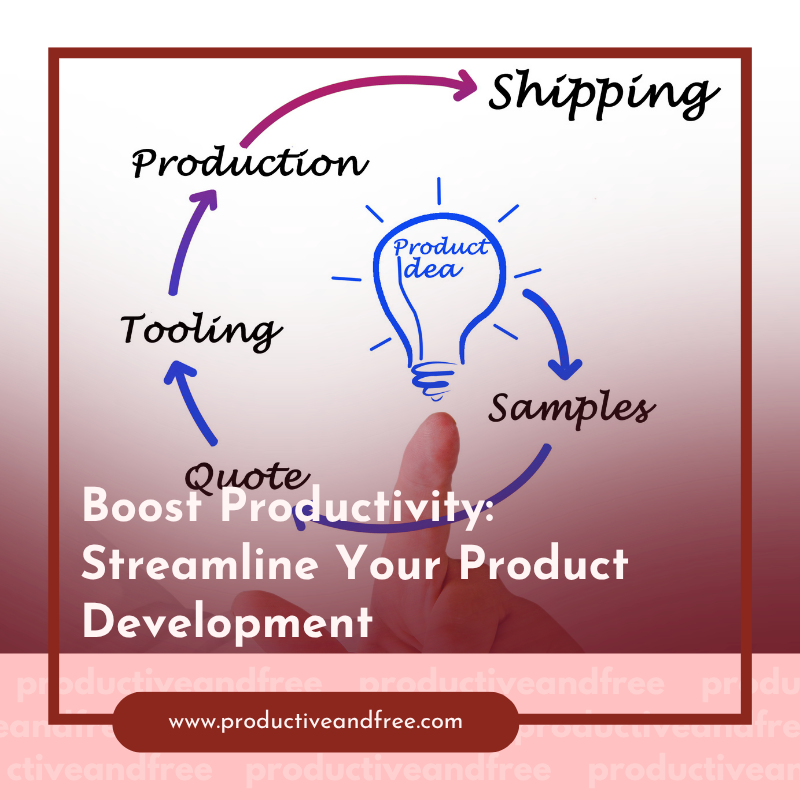
Bringing a new product from a simple idea to a market-ready reality is a complex process filled with potential delays. If you feel like your team is constantly putting out fires or getting bogged down in details, you're not alone. The good news is that you can reclaim your time and energy by streamlining your product development cycle. Identifying and eliminating inefficiencies helps you get your products to market faster and focus on what truly drives your business forward.
Identify Time-Sinks in Your Workflow
Before you can speed up, you need to know what's slowing you down. Time-sinks are the hidden productivity drains in your workflow. They can be anything from inefficient meetings that drag on without a clear purpose to manual data entry that could easily be automated. Take an honest look at your entire process, from initial brainstorming to final launch. Where do projects get stuck? Are you waiting days for approvals or feedback? Is your team spending more time on administrative tasks than on creative work?
One effective method is to map out your entire workflow visually. This exercise often reveals surprising bottlenecks and redundant steps you weren't aware of. Once you’ve identified these areas, you can take steps to supercharge your workflows by setting clear agendas for meetings, using project management software to track progress, and automating repetitive tasks.
The Power of Strategic Outsourcing
You don't have to do everything yourself. Strategic outsourcing is a powerful tool for boosting productivity. It allows you to delegate tasks that are time-consuming or fall outside your team's core expertise. This isn't just about finding cheaper labor; it's about accessing specialized skills and resources that can help you move faster and more efficiently.
For example, if you're a product company, your strength might be in design and marketing, not software development. Instead of spending months hiring and training a new team, you could partner with an agency that specializes in that area. This approach, known as strategic software outsourcing, lets you tap into expert knowledge immediately. The same principle applies to other functions like customer service, content creation, or digital marketing. By delegating these tasks, you free up your internal team to focus on high-value activities that drive your business's growth.

Why Contract Manufacturing Saves Time
For businesses that create physical products, one of the biggest time commitments is manufacturing. Building your own production facility involves massive investments in equipment, real estate, and specialized staff. It's a long and expensive process that can delay your launch by months or even years. This is where contract manufacturing becomes a huge advantage.
Partnering with a third-party manufacturer helps you bypass the entire setup phase. These companies already have the facilities, equipment, and expertise to produce your product to your specifications. For instance, if you're developing a new line of vitamins, working with a specialized food supplement contract manufacturer eliminates the immense time and capital investment required for formulation, sourcing, and certified production facilities. They handle the complexities of production, supply chain management, and quality control, allowing you to get your product made quickly and reliably.
Focus on Your Core Business Strengths
When you offload time-consuming tasks like manufacturing or software development, you gain more than just time. You gain focus. Every business has a unique set of core strengths, the things it does better than anyone else. This could be innovative product design, brilliant brand marketing, or exceptional customer relationships. Your true competitive advantage lies in these strengths.
Spending your team's limited time and energy on non-core activities dilutes their impact. By outsourcing or partnering for functions that are necessary but not central to your brand's identity, you empower your team to double down on what they do best. This focus is what leads to breakthrough innovations and sustainable growth. Instead of managing factory logistics, your team can be out there talking to customers, refining your marketing message, and planning your next big product launch.
Quick Product Launch Strategies
The traditional "waterfall" approach to product development, where each stage must be perfectly completed before the next begins, is often slow and rigid. A more modern and productive approach is to adopt strategies that prioritize speed and learning. One popular concept is the Minimum Viable Product (MVP).
An MVP is the most basic version of your product that still provides value to early customers. Instead of spending a year building a product with every feature you can imagine, you launch a simpler version in a few months. This allows you to get real-world feedback quickly, which you can use to guide future development. This iterative process of launching, learning, and improving is much faster and less risky than trying to build the "perfect" product in isolation. You get to market sooner, start generating revenue, and build a product that your customers actually want.
Streamlining your product development is about making smart choices that save time and magnify your team's impact. Start by identifying one bottleneck in your process this week and find a way to eliminate it. That single change can start a powerful ripple effect of productivity.

























Share in the comments below: Questions go here
Maximize productivity by streamlining your field operations. Explore effective solutions that drive efficiency and elevate your team's performance!