
Smart Equipment Investments for Contractors and Land-Clearing Businesses
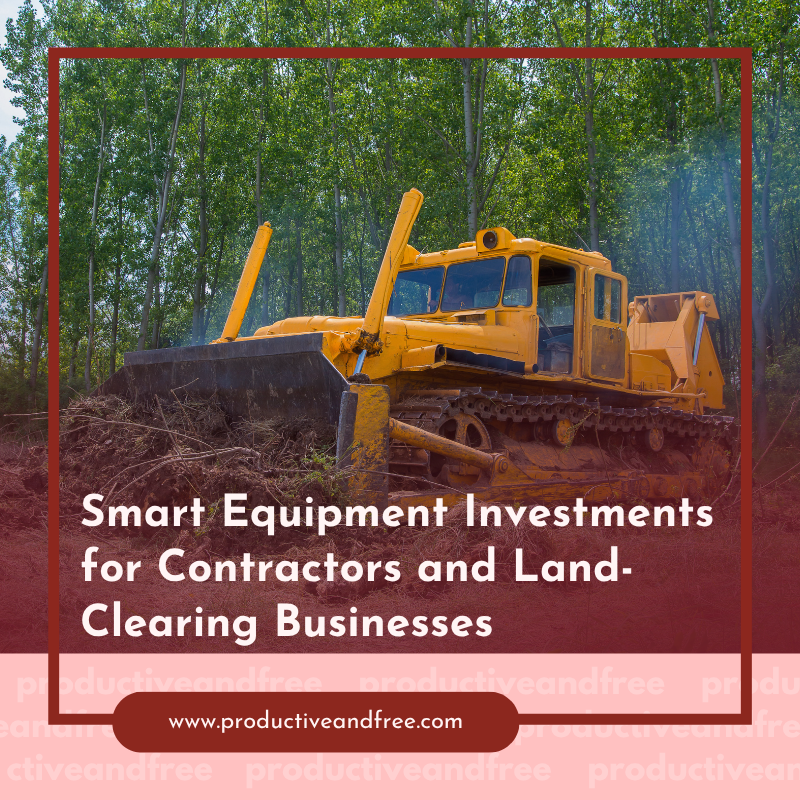
For contractors and land-clearing businesses, the right equipment isn't just a tool; it's essential for your profitability and efficiency. Making smart investment choices from the start determines your ability to take on jobs, meet deadlines, and grow your company. But with so much machinery on the market, deciding where to put your capital can feel overwhelming.
The key is to look beyond the initial price tag and evaluate equipment based on its long-term value to your specific business operations.
Start with a Job-Specific Audit
Before you even look at a single piece of machinery, check your books. What kind of jobs do you complete most often? Are you primarily clearing small residential lots, maintaining utility rights-of-way, or tackling large-scale commercial development projects? The answer will tell you what type of equipment will give you the best return. A machine perfect for dense forest thinning might be overkill and inefficient for clearing overgrown fields.
Analyze your past and current projects to create a profile of your typical work. This audit will help you define your needs for horsepower, size, and function, preventing you from overspending on capabilities you won't use or underspending and ending up with a machine that can't keep up.
The New vs. Used Equipment Calculation
The debate between buying new or used equipment is a constant in the contracting world. A new machine comes with the latest technology, a full warranty, and the peace of mind that you are its first and only operator. However, it also comes with a significant upfront cost and rapid initial depreciation. Used equipment, on the other hand, costs much less upfront, which can free up capital for other business needs.
The trade-off is potentially higher maintenance costs and a history you can't fully know. When you're ready to start browsing, checking out a reputable dealer that specializes in forestry equipment for sale can give you a clear picture of both new and high-quality used options, helping you weigh the costs and benefits for your budget.
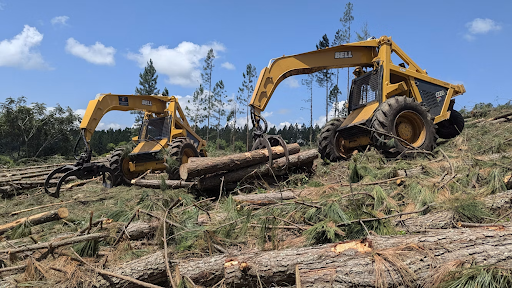
Versatility Through Attachments
One of the smartest ways to maximize an equipment investment is to think in terms of platforms, not just single-use machines. A powerful skid steer or compact track loader can become a fleet of tools with the right attachments. Instead of buying a separate stump grinder, trencher, and mulcher, you can invest in one carrier machine and a suite of attachments. This strategy dramatically reduces your initial outlay, storage needs, and maintenance load.
A mulching head, for example, can transform your loader into an efficient land-clearing machine, allowing you to bid on a wider range of projects without purchasing a dedicated forestry mulcher. Focus on a base machine with strong hydraulic flow to ensure it can power the attachments your work requires.
Don't Forget the Total Cost of Ownership
The sticker price is just the beginning of what a machine will cost you. To make a truly smart investment, you need to calculate the total cost of ownership. This includes the purchase price plus projected costs for fuel, routine maintenance, insurance, and potential repairs over the machine's lifespan. Some models might have a lower upfront cost but consume more fuel or require more expensive parts, making them pricier in the long run.
Research parts availability and service support in your area for any machine you're considering. A machine that sits idle waiting for a rare part isn't making you money, no matter how much you saved when you bought it.
Plan for Future Growth and Technology
The equipment you buy today should serve the business you want to have tomorrow. While it's important to buy for your current needs, consider your company's growth trajectory. Will this machine be able to handle the larger, more complex jobs you plan to bid on in two or three years? Investing in a slightly more powerful or capable machine now can prevent you from having to sell and upgrade too soon.
Also, keep an eye on emerging technologies in the forestry industry. Features like telematics for remote diagnostics, GPS guidance, and improved fuel efficiency can boost productivity and lower operating costs, giving you a competitive edge.
Building a successful contracting business means making strategic decisions that enhance your productivity and profitability, such as through smart equipment choices. By carefully analyzing your needs and looking at the complete picture of an equipment's value, you can build a fleet that works as hard as you do.





Share in the comments below: Questions go here
Maximize productivity by streamlining your field operations. Explore effective solutions that drive efficiency and elevate your team's performance!