
How Digital Nomads Can Work Securely From Anywhere
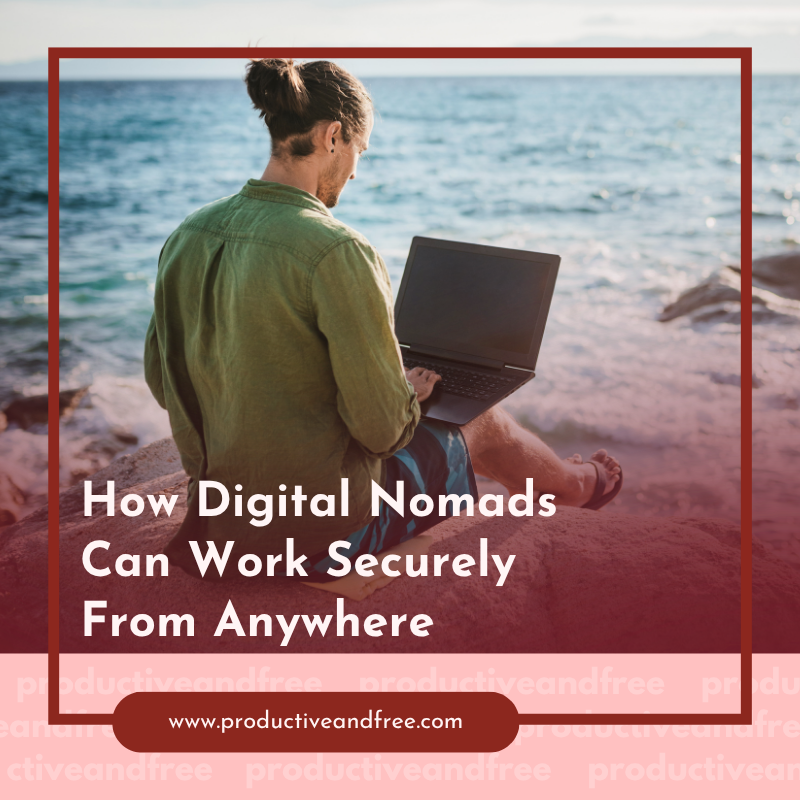
The life of the digital nomad has become significantly more popular since remote working started to see much broader acceptance. The improvement of internet infrastructure across much of the world has helped to, but there’s always one concern that has to be carefully addressed: security. Public Wi-Fi networks and even semi-private networks like those found in hotels, airports, cafes, and Airbnbs can introduce major risks if not properly mitigated, so let’s look at some strategies you can implement to protect your business.

Travel Routers
If you’re spending significant time on the road, then you never know how reliable or secure your next connection is going to be. A ssuhc, rather than connecting your laptop, smartphone, or tablet directly to the hotel or cafe Wi-Fi, bringing a small portable router with you can help you create a private local network, one that can’t be accessed as easily by others who might be eavesdropping on public or semi-public connections. Many travel routers also have features like VPN integration, network segmentation, and encrypted DNS that can offer you some extra protection when you’re working in unfamiliar network environments. It also simplifies the process of setting up on a new network, as you only need to connect your router to that network, and then all the devices already connected to your router will be online.
VPNs
The use of virtual private networks, or VPNs, has practically become a standard amongst digital nomads, as the risk associated with public networks becomes more and more prevalent. A VPN encrypts internet traffic and helps protect login credentials, financial data, private messages, and work communications from interception. This is particularly important when using unsecured Wi-Fi connections in airports, hotels, and coworking spaces. VPNs can also play a role in helping you access region-locked content and tools, which can include business platforms and streaming services, some of which might be vital to your productivity, and others to simply enjoy your downtime a little better. Free VPNs can offer some of the same protection, but are much slower. Your best bet is investing in a high-quality, high-speed option instead.
Tiny Build Servers
Compact hardware can help you practically take all the tools for creating your own digital environment with you. Tiny servers are able to host private cloud storage, password managers, VPNs, backup systems, and even whole development environments, often while being portable enough to fit inside a backpack. Portable, self-controlled edge networks built with the help of OPNsense hardware can help you create portable trusted networks in potentially insecure environments, be it on hotel ethernet, Airbnb modems, or even when paired with your own travel router. You get your own network setup with settings that stay consistent no matter where you use them. As compact hardware becomes more powerful and affordable, portable infrastructure is becoming practical for more and more digital nomads.
Cloud Storage
You don’t have to rely entirely on your own hardware that you bring with you from place to place. In fact, sometimes it’s better to do precisely the opposite, using Cloud storage servers to ensure your files remain accessible no matter where you go or what devices you work on. After all, if you lose access to a device, whether it experiences a technical issue or gets stolen, you don’t want your ability to work to disappear with it. Encrypted cloud storage services, automatic backups, and private file-sharing systems help reduce the risks associated with lost devices or compromised accounts. You might also want to consider keeping local encrypted backups on SSDs, just in case you’re in a place where internet access is unreliable, but you might still be able to get some work done with the right data to hand.
Habits Matter As Much As Equipment
No matter how much secure hardware and software you invest in, if you don’t also maintain secure habits, you can leave holes open in your digital security. Many cybersecurity problems happen because users ignore software updates, for instance. Others will reuse passwords, so a breach in one account can potentially lead to breaches in a lot more. Similarly, anyone leaving their device connected while unattended risks not only having their data taken but also their device stolen and then exploited to the utmost degree. Ultimately, portable secure networking is as much about habit and diligence as it is about technology.
Portable secure networking is an essential part of the modern digital nomad lifestyle. From the right technology and digital tools to smart practices, you should ensure that you’re able to protect your privacy and productivity no matter where you are.

























Share in the comments below: Questions go here

Protect your business with top security tools! Explore our guide to the best solutions for safeguarding your data and ensuring peace of mind.