
Unlock Peak Performance: Smart Digital Habits
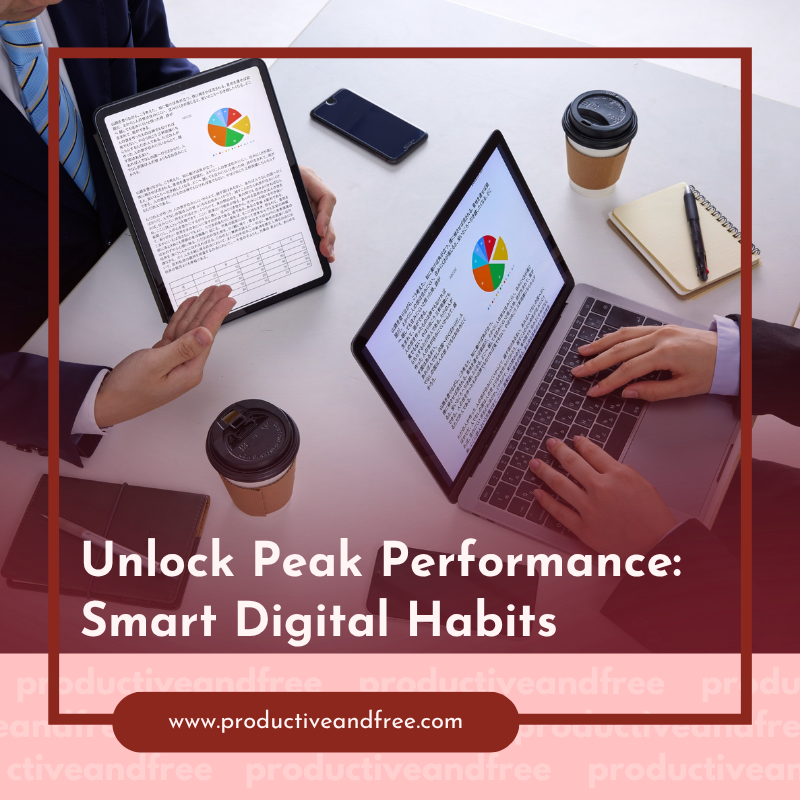
In a world full of constant pings, notifications, and endless feeds, our digital habits can either really boost our performance or totally drain our focus. It's harder than ever to tell the difference between using technology and letting it use us.
Developing smart digital habits isn't about unplugging completely; it's about using these powerful tools on purpose to help you reach your goals, not pull you away from them. This guide gives you practical steps to get your attention back and perform at your best.
Audit Your Current Digital Routine
You need to know what your habits are before you can change them. Most of us seriously underestimate how much time we spend on our devices. So, the first step is to get an honest look at where your digital time is actually going. Modern smartphones have built-in tools like Screen Time on iOS or Digital Wellbeing on Android that track what you do on different apps and websites.
Spend a week letting this data build up without judging yourself. At the end of the week, check the report.
● Which apps take up most of your time?
● How many times a day do you pick up your phone?
● What time of day are you most active?
The point isn't to feel bad, but to gather information. You might find that a quick social media check in the morning always turns into a 30-minute scrolling session. Spotting these patterns is the crucial first step to building a more intentional relationship with your technology and learning how to elevate your personal productivity.
The Power of Intentional Browsing
Mindless scrolling kills productivity. But intentional browsing can be a powerful tool for learning and solving problems. The key difference is having a reason every time you open a browser or an app. Instead of just passively taking in whatever the algorithm throws at you, you actively look for the information you need.
For example, when you're getting ready for a project or an exam, targeted study works much better than just general reading. Using specific online resources for something like GCSE revision helps you focus on relevant material without getting sidetracked by unrelated stuff.
Before you go online, ask yourself: "What's the one thing I want to get done this session?" Whether it's finding an answer to a specific question, reading one article, or ordering a product, having a clear goal changes your browsing from a time-waster into an efficient task.

Create a Learning Command Center
Once you start finding valuable information online, you need a way to keep it organized. Think of a learning command center as a central digital spot where you save articles, notes, videos, and links to look at later. This stops you from constantly trying to find that one useful article you saw weeks ago. It also turns the internet into your own personal library instead of a chaotic mess of information.
Tools like Notion, Evernote, or even a well-organized system of browser bookmarks can work for this. Create folders or notebooks based on your main interests or projects, like "Career Growth," "Marketing Skills," or "Home Improvement Ideas."
When you find a great resource, save it to the right place right away. This simple habit builds a powerful personal knowledge management system that helps you grow long-term and makes you more effective.
Review Your Digital Footprint
Your digital surroundings directly affect your focus and how you feel. If your feeds and inboxes are full of irrelevant or negative content, it creates a constant, low-level distraction and mental drag. Regularly cleaning up your digital footprint is like tidying your physical workspace; it clears the way for deep work and positive thinking.
Set aside an hour every few months to do a digital declutter.
● Email Subscriptions: Go through your inbox and ruthlessly unsubscribe from newsletters you never read.
● Social Media: Unfollow accounts that don't teach, inspire, or entertain you in a meaningful way. Mute accounts you need to follow for work but don't want to see every day.
● App Notifications: Turn off all notifications that aren't essential. A notification should alert you to something that needs your immediate attention, not just that someone liked your photo.
This process makes sure that the information coming to you matches your priorities, cutting down on decision fatigue and protecting your most valuable asset: your attention.
By making these small, deliberate changes, you can turn your digital habits from a source of distraction into a foundation for success. Start with one small audit today and see how it helps your focus.






















Share in the comments below: Questions go here
Learn how to enhance your medical practice's efficiency without compromising patient care. Explore actionable tips for a better healthcare experience.