
How Smarter Parking Design Can Improve Everyday Productivity
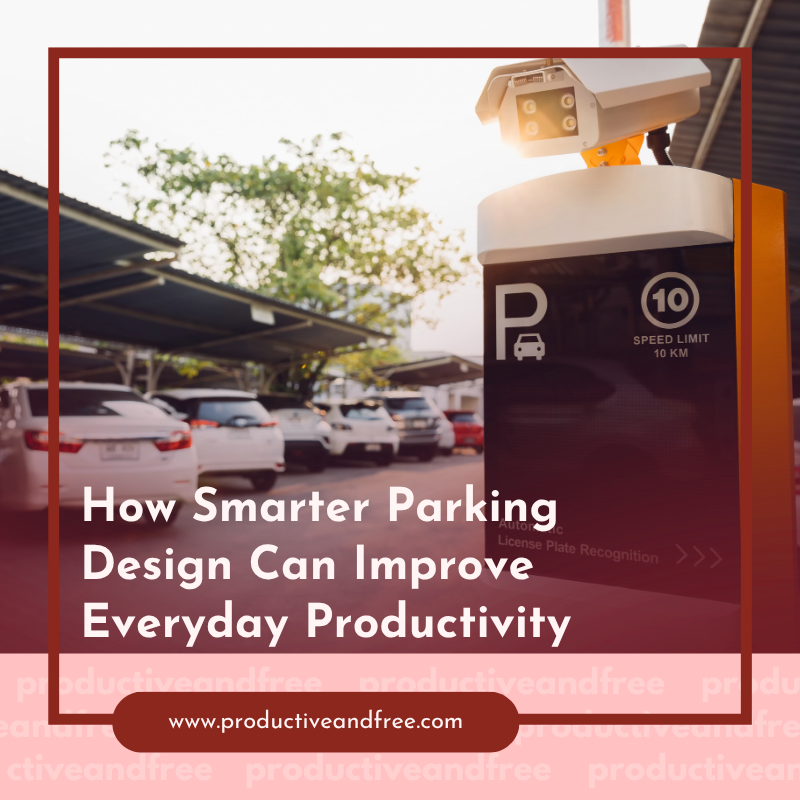
We’ve all been there: circling a car park, hunting for that one elusive spot while the clock ticks away. That daily search isn't just a minor annoyance; it's a significant drain on your time, energy, and focus. Rethinking how we approach parking, whether for a shopping centre, an office building, or a public space, is a powerful and often overlooked way to boost productivity for everyone.
The Real Cost of Poor Parking
The frustration of a full car park is only the tip of the iceberg. The real cost of inefficient parking is measured in lost minutes that add up to hours, increased fuel consumption, and heightened stress levels before the day has even properly begun. For businesses, the consequences are even more direct. Employees arriving late and flustered can impact meeting schedules and team morale. For retail, if a customer can't find a park easily, they are likely to take their business elsewhere. This hidden friction creates a ripple effect, chipping away at efficiency and goodwill.
Design for Efficiency
A stress-free parking experience starts with intelligent design that prioritizes flow and clarity. This means logical layouts that guide drivers intuitively, wide enough lanes to prevent bottlenecks, and clear, visible signage for directions, entrances, and exits. When a car park is designed with the user's journey in mind, it minimizes confusion and search time. Traffic engineers play a key role in this process by analyzing vehicle movements and driver behavior to create layouts that improve traffic flow and reduce congestion. Simple design choices, like angled parking bays for easier entry and exit, can make a world of difference to the daily user.

Digital Solutions for Parking
Technology offers powerful tools to transform a chaotic car park into an organized system. Smart parking solutions are becoming more common, using sensors and data to provide real-time information. These systems can improve operational efficiency in incredible ways.
Some of the most effective digital tools include:
● Parking Guidance Systems: These use overhead lights (typically red for occupied, green for vacant) to guide drivers directly to an available spot, eliminating the need to slowly cruise up and down aisles.
● Mobile Apps: Many car parks now use apps that let users see spot availability in real-time, pre-book a space, or pay for their session without needing to find a ticket machine.
● Sensor Networks: In-ground sensors detect when a space is occupied, feeding live data to guidance systems and apps.
Learning how to make your parking lot smart and modern is no longer a futuristic concept, but a practical step towards reducing wasted time and improving the user experience.
Staff Parking: A Hidden Asset
For any business with a dedicated car park, managing staff parking is a key part of operational productivity. A disorganized free-for-all can lead to tardiness and frustration, whereas a well-managed system is a valuable employee perk. Strategies can include designated zones based on seniority or department, incentives for carpooling, or allocating premium spots to "employee of the month" winners. By treating staff parking as a managed asset rather than an afterthought, companies can improve punctuality, boost morale, and show that they value their employees' time.
Future-Ready Car Parks
The role of the car park is evolving. As we move towards a future with more electric vehicles (EVs) and diverse transport options, car parks need to adapt. A future-ready facility is more than just a place to leave a car; it's a service hub. This means integrating EV charging stations as a standard feature, not an exception. It also involves creating designated drop-off and pick-up zones for ride-sharing services to reduce congestion at the main entrance. Some forward-thinking designs are even incorporating secure bicycle storage and lockers for last-mile delivery services, transforming the humble car park into a crucial link in the modern transport chain.
Thinking about parking as part of a larger productivity puzzle allows us to see the clear benefits of a smarter approach. By optimizing this small part of our daily routine, we can reclaim valuable time and reduce unnecessary stress.























Share in the comments below: Questions go here

Learn how to enhance your medical practice's efficiency without compromising patient care. Explore actionable tips for a better healthcare experience.