
The Workplace Training Most Companies Overlook
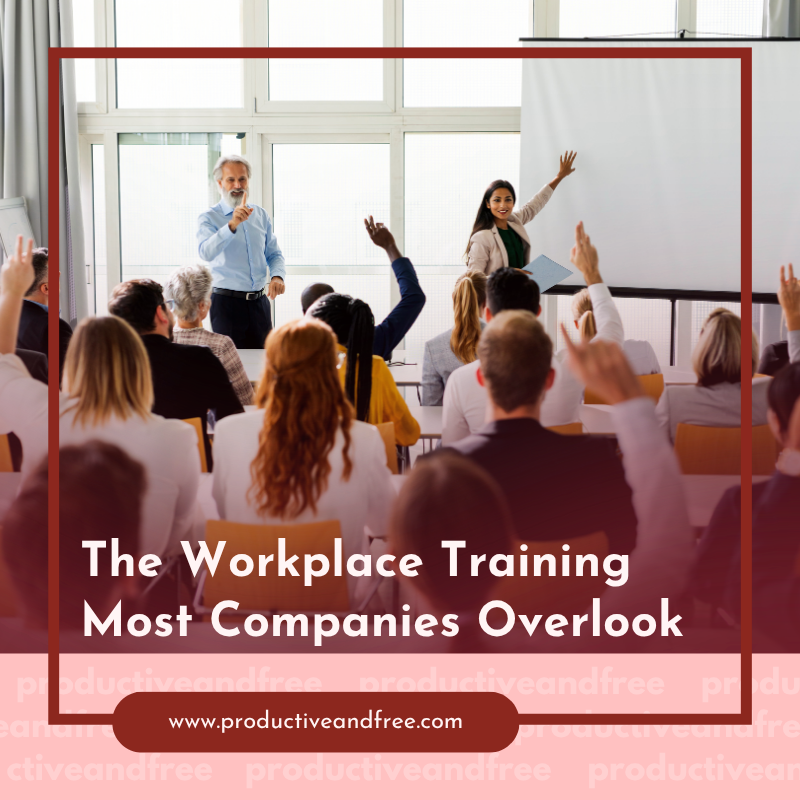
Every business owner can agree that all employees need training of some sort. There are numerous rules and regulations that need to be adhered to for legal reasons but also they need to know how the company works and what is expected of them as an employee.
However, too much focus on certain areas can leave many aspects or areas of training uncovered and the result is things being missed, employees being exposed and standards falling well below where you want or need them to be.
Let's take a look at some training you absolutely need to have in place to support your employees and your company.
Onboarding Training
Handing someone a laptop and a login isn't onboarding no matter how much you might want it to be. It's simply a setup and gives no indication of what you want or need from your team a new employee needs to know.
A new employee needs to know who owns which decisions, how requests actually get approved versus what the org chart says they should and what a good first 30 days looks like and what you don't expect. Give them the practical details of the company and how you operate the things that help them get acquainted with the environment faster. Think about the thing that never actually make it into the official handbook and youve got your starting point. This removes the guesswork for people and helps them settle much faster.

Sexual Harassment Training
This one tends to be touched upon briefly and then left never to be mentioned again. The truth is you need something more structured and extensive and that most definitely happens more than once in a person's employment with you.
You need a structured sexual harassment training program that includes role specific modules since what a frontline manager needs to know differs from what HR needs to handle, etc. Have policies in place that reflect the legal framework and internal standards and policies you need to uphold, and then make sure that any behaviour is outside this is followed up on to ensure that people know that there are consequences. Detail all of this in your training so everyone knows what is expected of them and what happens when they breach the rules.
Soft Skills Training
Soft skills are just as important as hard skills and if your employees are lacking in soft skills they're going to struggle really quickly regardless of their position. A technically strong hire can still struggle to tell a client “no” in a way that doesn't damage the relationship or put boundaries in place with colleagues and other members of management. Or it might be they don't respond well to feedback or critique.
Understand the type of soft skills you need your team to be displaying and then introduce training that helps them develop and work through any issues they have or blocks. Not everyone is born a good communicator or able to handle rejection or negativity well. And if you understand this can help people overcome challenges you'll end up with a better team. Roleplaying in low-stakes environments can be beneficial here
PART II
Unlock the potential of local news for your business growth. Explore effective ways to engage with your community and boost your brand's presence!

Ready to launch your dream business? Explore essential tips for finding the perfect opportunity that fuels your entrepreneurial ambitions.

Elevate your business with a strategic corporate event plan. Explore the benefits of effective planning for brand growth and impactful networking opportunities.

Turn your property into a powerful income-generating asset. Explore strategies to unlock its potential for passive income and secure your financial future!

Maximize productivity by streamlining your field operations. Explore effective solutions that drive efficiency and elevate your team's performance!
Learn how managers can help employees prioritize tasks with clear goals, deadlines, communication, planning, technology and workload reviews.

Discover how small businesses can leverage AI technology to streamline website launches, enhancing efficiency and reducing time to market.
Learn how data-driven insights can empower small business owners to make informed decisions and boost their success. Start transforming your strategy now!

Explore the hidden effects of your business environment on success. Learn how to leverage these insights for strategic growth and improved performance.
Enhance your business efficiency by avoiding costly interruptions. Explore effective strategies to streamline operations and drive success!

Discover the top 5 signs that your hiring process may be driving away talented candidates. Improve your recruitment strategy and attract the best talent today!
Transform your e-commerce operations with powerful tools that boost efficiency and streamline your business processes for optimal performance.
Unlock the secrets to financial resilience for business owners. Equip yourself with practical tips to strengthen your financial foundation and ensure stability.

Ensure your business runs smoothly with our expert strategies to maximize uptime and eliminate delays. Discover how to enhance efficiency today!

Is your marketing data at risk? Delve into the silent threats that could undermine your efforts and find out how to protect your critical information.

Explore the hidden costs of manual processes in insurance claims. Find out how optimizing workflows can significantly improve productivity and profitability.
Learn the vital role of strong documentation in boosting business security. Explore how it safeguards data, streamlines processes, and mitigates risks effectively.

Transform your sales approach with expert tips on outbound sales. Propel your growing business to new heights with actionable insights and strategies.

Uncover the benefits of workplace safety investments. Explore how prioritizing safety can improve employee morale and drive financial returns for your business.
Discover effective strategies for making informed decisions as your business expands. Learn to navigate growth challenges with confidence and clarity.
Enhance your business efficiency by streamlining operations with innovative cloud-based tools designed for seamless collaboration and productivity.
Ready to elevate your small business? Learn simple AI steps you can start using today to enhance productivity and drive growth effortlessly!
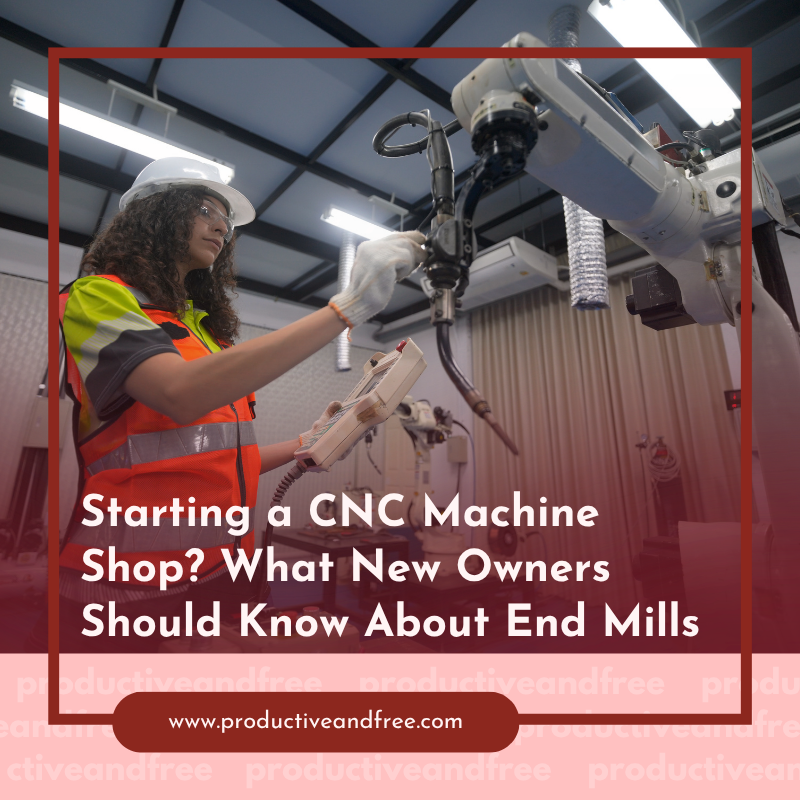
Discover essential tips for new CNC machine shop owners about end mills. Learn how to choose the right tools for precision and efficiency in your projects.

Unlock the secrets to sustainable success with The Green Business Blueprint. Learn to incorporate eco-friendly practices into your daily operations today!

Unlock the potential of your kitchen! Learn how investing in the right equipment can elevate your business efficiency and improve overall performance.
Learn why integrating a smooth online store is crucial for boosting your email list growth. Transform your business strategy and engage customers like never before!
Discover how local sports and fitness hubs can foster a culture of emergency readiness, ensuring safety and preparedness for all participants.

Learn how to overcome operational challenges with cutting-edge smart hardware solutions that promote industrial continuity and streamline processes.

Unlock the secrets to building a reliable online payment system for high-risk merchants. Enhance security and streamline transactions effortlessly!
Share in the comments below: Questions go here
 Productive and Free
STRATEGIC TIME-SAVING TEMPLATES TO HELP YOU GROW YOUR DREAM BUSINESS
Start your journey in electronics manufacturing with our essential guide for new entrepreneurs. Gain insights to launch and grow your business effectively.