
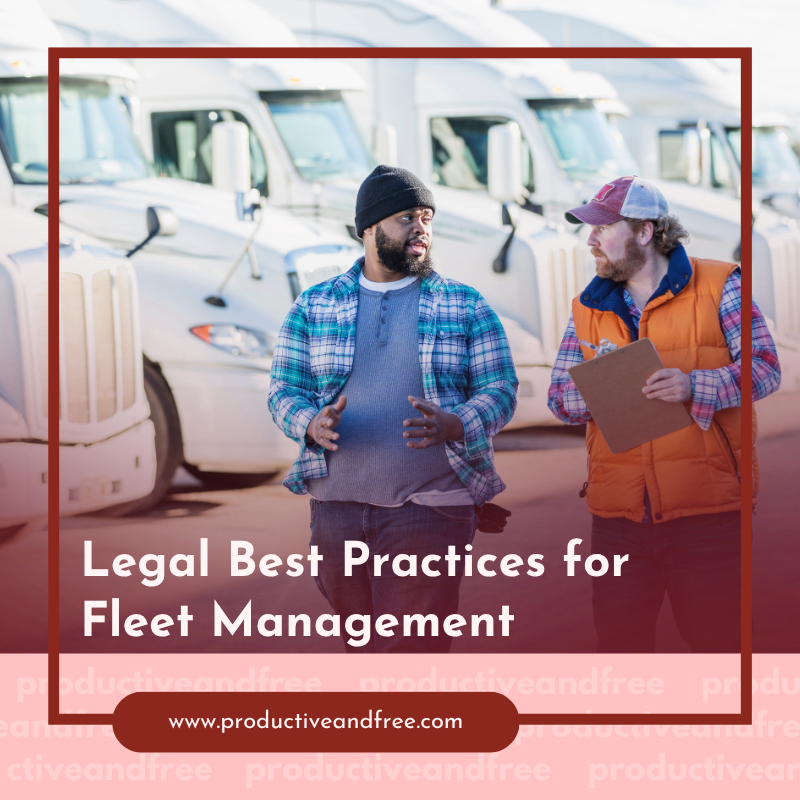
Managing a vehicle fleet involves more than just logistics and maintenance; it comes with significant legal responsibilities. Staying on top of these obligations is crucial to protect your business, your drivers, and the public. Failing to follow regulations can lead to costly fines, legal battles, and damage to your company's reputation. Establishing clear, consistent legal best practices forms the foundation of a safe and sustainable fleet operation, covering everything from hiring to overall fleet compliance.
Hiring and Vetting Drivers
Your drivers represent your company on the road, so your hiring process is your first and most important legal safeguard. A thorough vetting process isn't just good practice; it's a requirement. Before you hand over the keys, you should run comprehensive background checks, including a driver's Motor Vehicle Record (MVR). This report details their driving history, covering any violations, suspensions, or disqualifications.
Beyond the MVR, you must follow Department of Transportation (DOT) regulations for drug and alcohol screening. This includes pre-employment testing and a program for random testing. It's also vital to make sure drivers have the correct license class and any necessary endorsements for the vehicles they will operate. Keeping organized records of driver qualifications, training, and hours of service is a key part of what a fleet manager should know to maintain compliance and reduce liability.
Vehicle Inspection Schedules
A well-maintained vehicle is a safe vehicle. Federal regulations require commercial motor vehicles to undergo regular inspections and maintenance to ensure they are in good working order. Your fleet management plan must include a solid schedule for both daily inspections and periodic maintenance.
Drivers need to complete a Daily Vehicle Inspection Report (DVIR) before and after each trip. This report documents the condition of critical parts like brakes, tires, lights, and steering. You must have a system to review these reports and fix any noted defects immediately before the vehicle is used again. Keeping detailed maintenance logs for every vehicle isn't just for operational efficiency; it creates a legal record showing your commitment to safety.

Accident Reporting Procedures
Even with the best drivers and perfectly maintained vehicles, accidents can happen. When they do, a clear and immediate reporting procedure is essential to protect your company legally. Every driver must be trained on the exact steps to take after a collision. This protocol should include:
● Stopping immediately and securing the scene safely.
● Calling emergency services if there are injuries.
● Notifying their supervisor or fleet manager right away.
● Collecting information from other parties, including names, contact details, license plates, and insurance information.
● Taking photos of the scene, vehicle damage, and any contributing factors.
Drivers should be told to state only the facts and avoid admitting fault at the scene. A detailed internal report should be completed as soon as possible. Understanding the common types of truck accidents can help you refine your reporting process, ensuring drivers capture the specific details needed for each situation, which is invaluable for insurance claims and legal defense.
Data Privacy for Telematics
Modern fleets rely heavily on telematics and GPS tracking to monitor vehicle location, driver behavior, and engine diagnostics. While this technology provides powerful data for improving safety and efficiency, it also brings up important questions about data privacy. You must be transparent with your drivers about what data you are collecting and why.
Create a formal written policy that outlines what your telematics program covers. Explain how the data will be used, for example, to coach on safe driving habits, verify hours of service, or optimize routes. It's a good practice to have drivers sign an acknowledgement that they have read and understood this policy. This transparency helps build trust and ensures you are on solid legal ground regarding employee privacy rights.
Working with Legal Counsel
Navigating the complex network of local, state, and federal transportation laws can be challenging. Instead of waiting for a problem to arise, it's smart to work proactively with legal counsel specializing in transportation and corporate law. An experienced attorney can review your hiring policies, accident response plans, and data privacy agreements to ensure they are compliant and offer maximum protection.
They can also provide invaluable guidance when regulations change, helping you adapt your operations to stay ahead of legal risks. Think of legal counsel not as an emergency service but as a strategic partner in building a resilient and legally sound fleet management program.
Establishing these legal best practices is an ongoing commitment. Regular training, consistent enforcement, and periodic reviews with legal experts will help you maintain a safe, efficient, and compliant fleet.


























Share in the comments below: Questions go here

Learn the essential steps to create and scale your online course business. Our complete guide offers tips for success and maximizing your reach!