
How to Make Employee Training More Effective
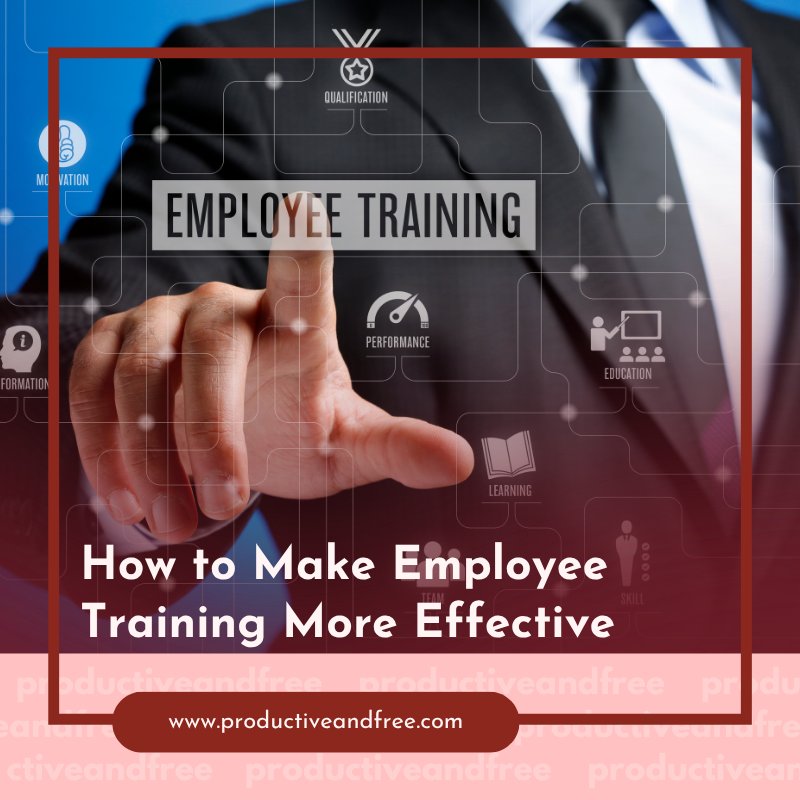
Good training isn't just about checking a box; it's a powerful way to make your operations smoother, boost morale, and prepare your business for the future. When you invest in your staff, they become more engaged, skilled, and loyal. A solid training program can cut down on mistakes, improve customer service, and build a stronger team culture, all of which directly help your bottom line. To really help your team reach its full potential and see these benefits, consider these staff training tips to improve your approach and get the best results.
Designing Engaging Training Programs
A memorable training session, instead of a forgettable one, comes down to how it's put together. First, clearly define what you want people to learn. What should your team be able to *do* after the training that they couldn't do before? Skip the basic lecture and instead add interactive parts like group problem-solving, role-playing, or looking at case studies.
It's also crucial to make the content fit your audience's current skill level and daily challenges. A one-size-fits-all approach rarely works. A good way to plan your day is to create a training session plan that lays out activities, times, and goals, making sure the whole session flows well and keeps everyone focused.
The Right Space for Learning
Where you hold your training can really change how effective it is. If you do sessions in the regular office, people often get pulled away for "urgent" tasks. This broken focus makes it harder to learn.
Taking your team off-site gets rid of these daily distractions and shows that the training is important. Purpose-built conference venues provide a professional, focused environment designed for workshops, training sessions, and business meetings. They typically include presentation equipment, comfortable seating, and catering options, allowing you to focus on delivering an engaging session. A change of scenery can also give your team a fresh perspective and encourage more open participation.

Leveraging Tech for Better Outcomes
Technology can turn a regular training day into a lively, ongoing learning experience. Think about using a learning management system (LMS) to host materials people can read beforehand or short intro videos. This "flipped classroom" idea means you can use the valuable in-person time for hands-on practice and discussion, rather than just basic teaching.
During the session, interactive polling software can check understanding right away, and shared digital whiteboards can capture ideas from group activities. For technical skills, virtual or augmented reality simulations offer a safe, effective way for staff to practice complex tasks.
Measuring Training ROI
To make the time and money spent on training worthwhile, you need to measure its return on investment (ROI). This means more than just the "happy sheets" filled out at the end of the day. Real ROI shows up in actual business results. Start by checking key performance indicators (KPIs) before the training, like how many errors are made, customer satisfaction scores, or how long projects take.
After the training, track these same numbers for several months to see what improved. You can also use skill tests and manager observations to see how individuals are progressing. Looking at this data helps you understand what worked and what didn't, which is a key part of how you can improve training and development over time.
Keeping Staff Engaged Post-Training
Learning doesn't stop when the session ends. Without follow-up, people can forget up to 90% of what they learned within a month. To make sure new skills and knowledge stick, you need a plan for after the training.
Schedule short follow-up meetings to talk about how staff are using their new skills and any problems they've run into. A mentoring system, where experienced team members help newer ones, can also be very effective. Give people access to an online library with key information from the training, and most importantly, create chances for staff to use their new abilities in their daily work right away.
Investing in well-planned training means investing in your company's most important asset: its people. When you give them the tools and knowledge to do well, your whole business benefits.
















Share in the comments below: Questions go here
Learn how to enhance your medical practice's efficiency without compromising patient care. Explore actionable tips for a better healthcare experience.